

Expanding international cooperation with BOKU University
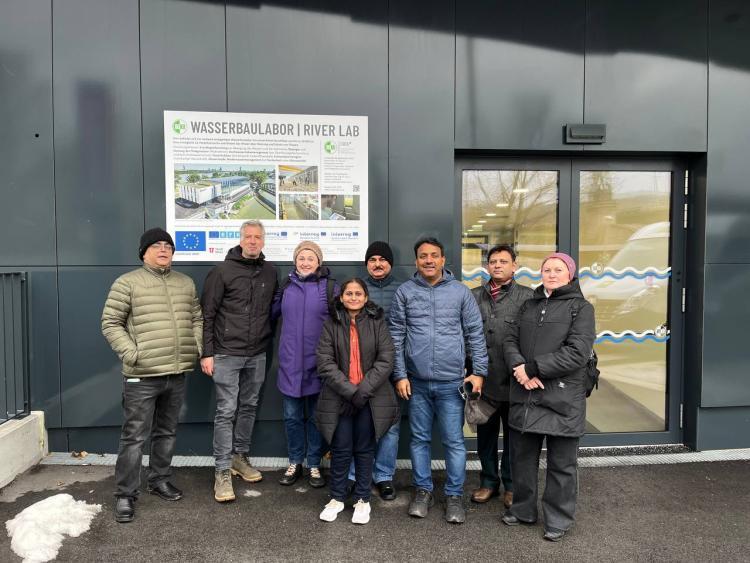
International internships of scientific and pedagogical employees of the university are an integral part of their professional growth. Internships allow them to acquire new skills, improve professional knowledge and language skills, and promote the establishment of international relations for the expansion of international cooperation.
Employees of NUBiP of Ukraine, associate professors Vita STROKAL and Maryna LADYKA from November 24 to 28, 2025, underwent an international scientific internship at the University of Natural Resources and Applied Life Sciences (Vienna, Austria) under the Erasmus KA1 program.
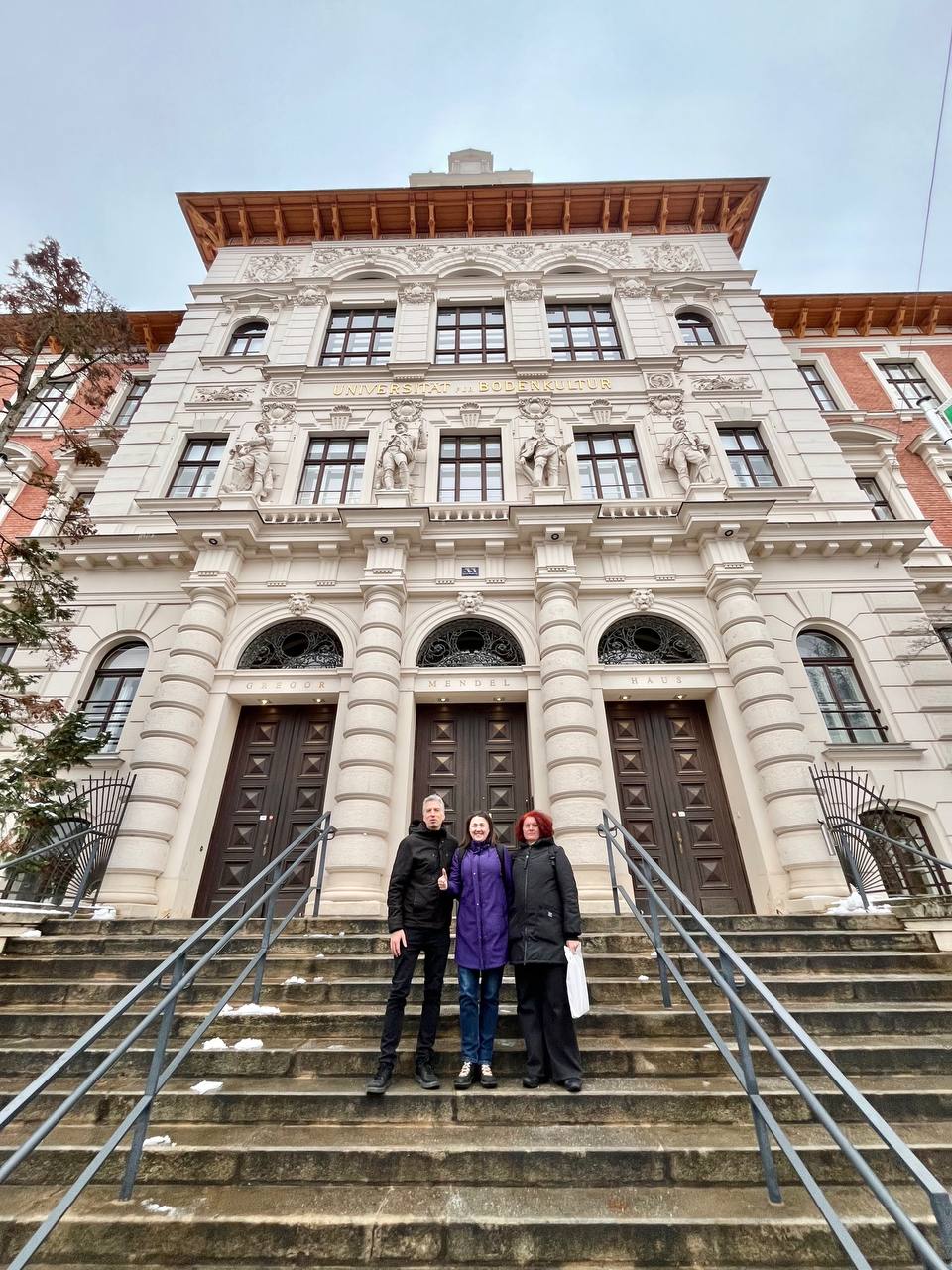
The host was the Institute of Soil Physics and Rural Water Management, represented by Deputy Director Stefan Strohmeier. He led a tour of the institute, demonstrating scientific achievements related to the study of soil erosion, the impact of climate change on agricultural activities, and European approaches to water management for agricultural needs (irrigation, drainage).
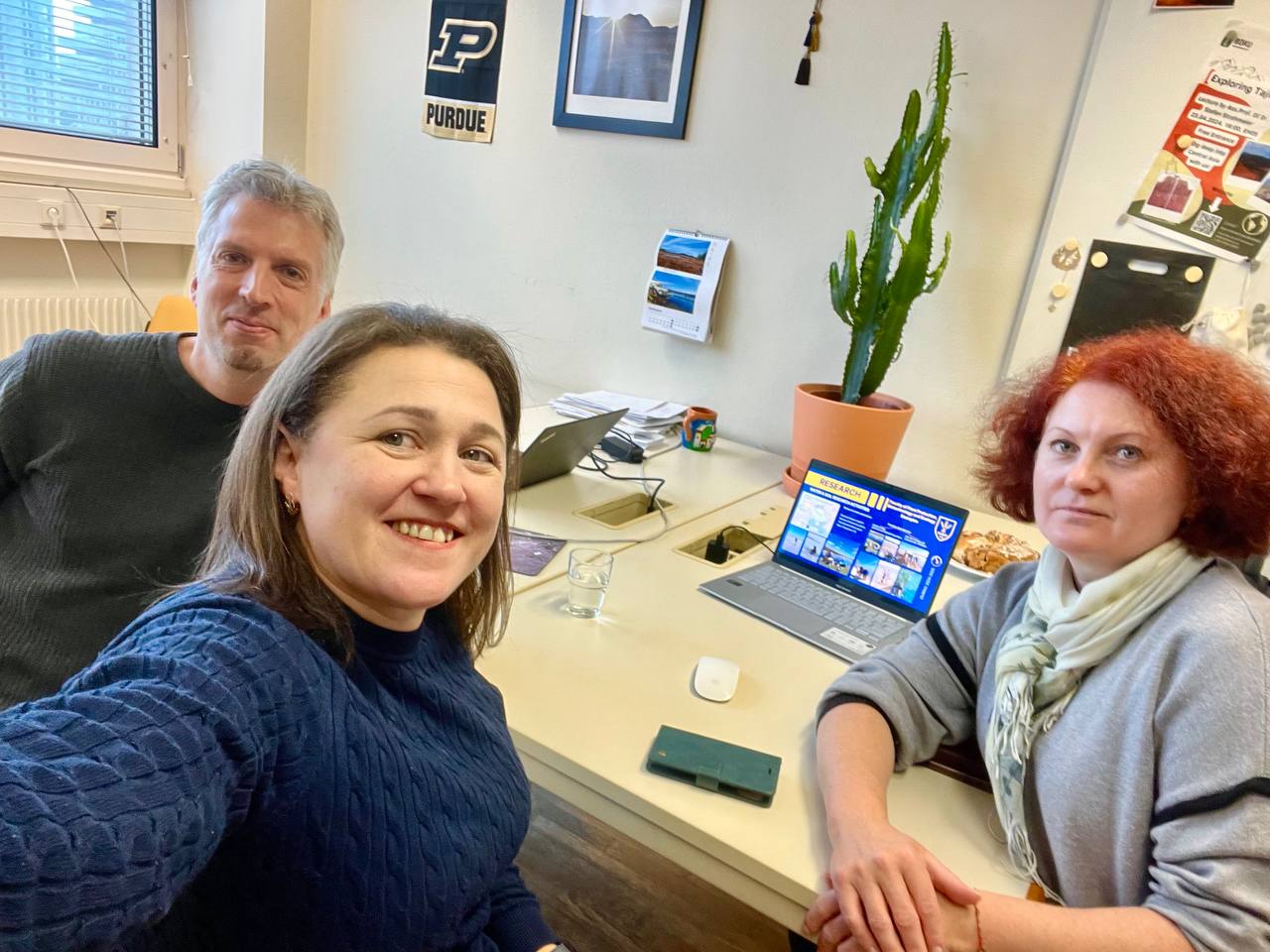
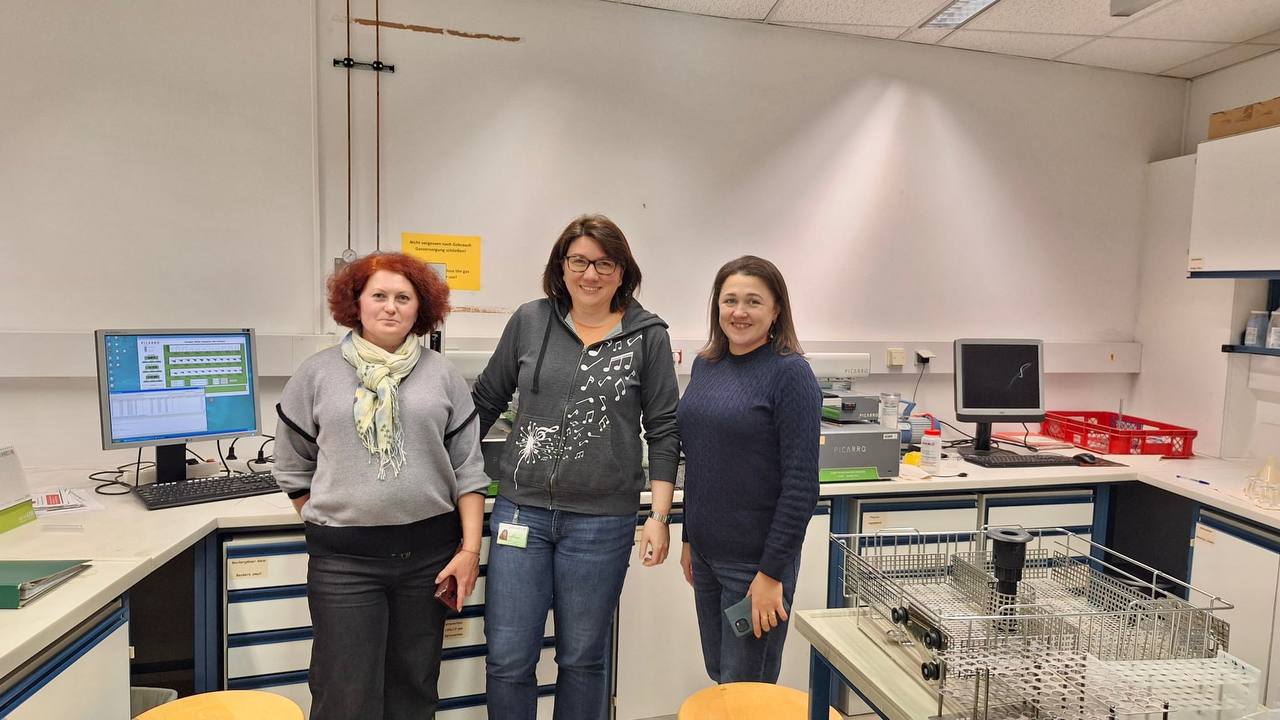
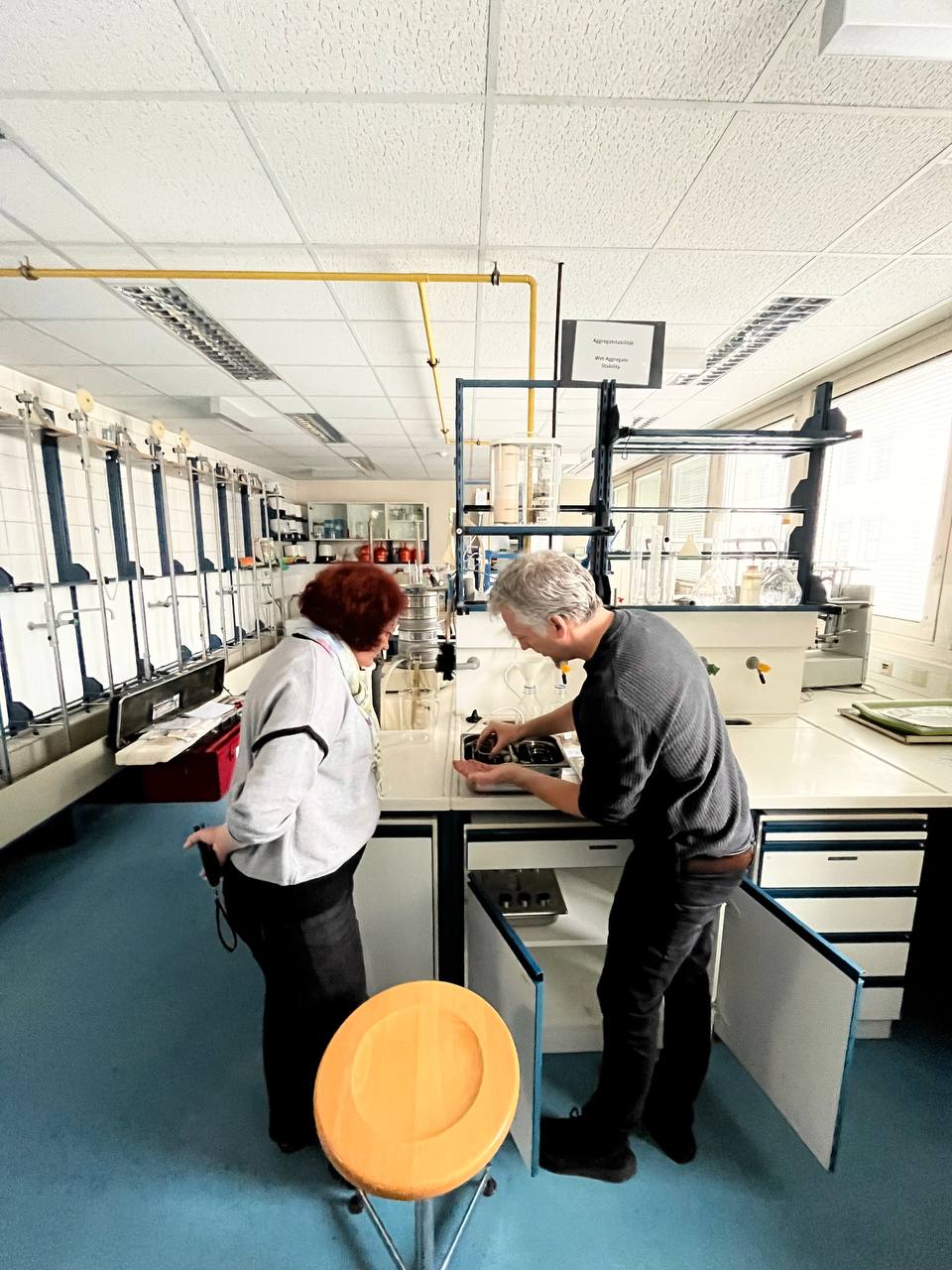
During the internship, the laboratories of the Institute for the Study of Agrophysical Soil Indicators were visited. During discussions with laboratory teams, they were introduced to modern laboratory equipment for measuring carbon in the soil, as well as physical and chemical properties of soils using isotope analysis.
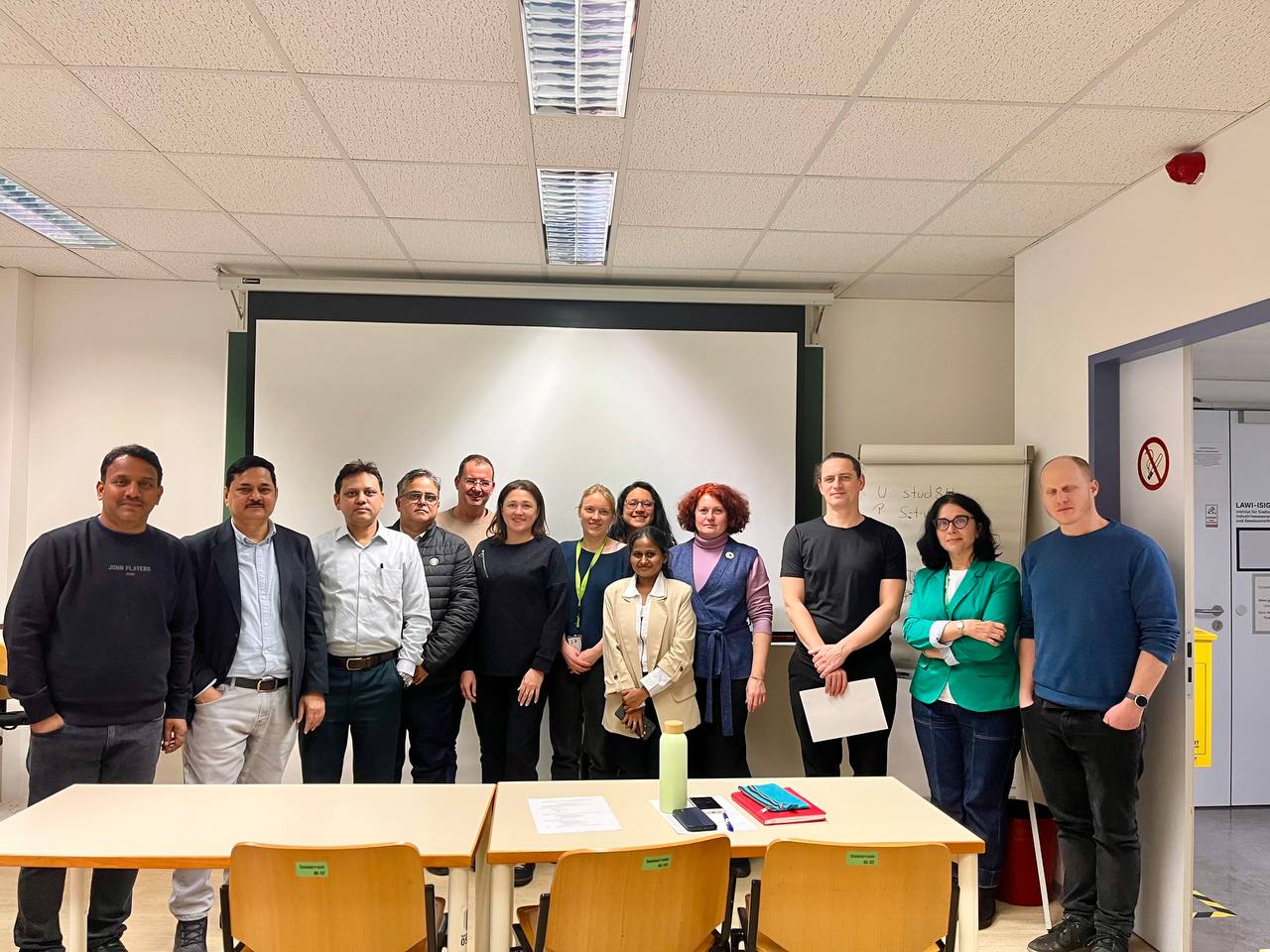
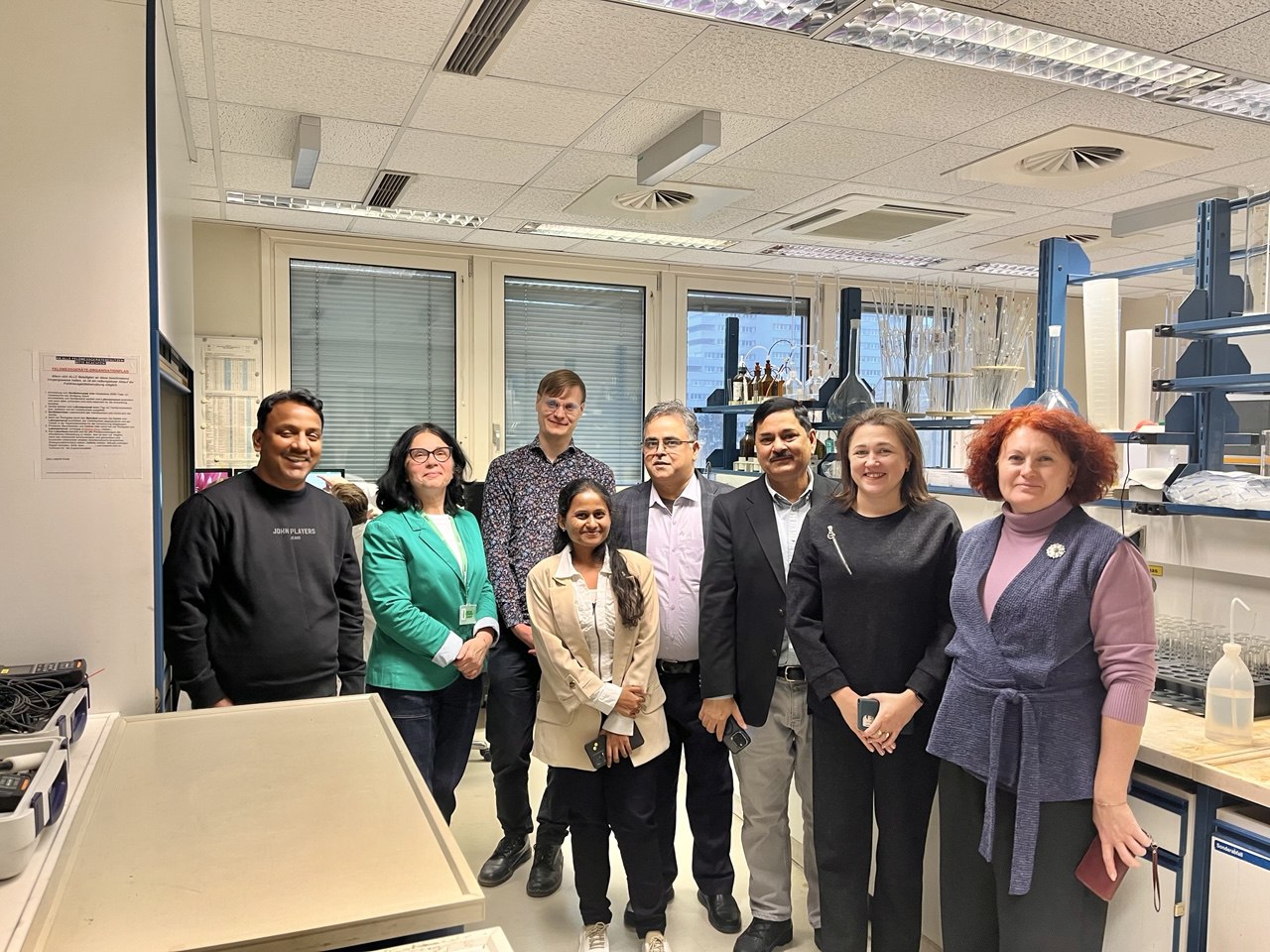
In addition, they visited the Institute of Sanitary Engineering and Water Pollution Control, where they took part in an international scientific workshop organized with the assistance of the Institute’s Director, Professor Günter Langergraber. The workshop was attended by representatives from the Indian Institute of Petroleum and Energy (Indian Institute of Petroleum and Energy, Visakhapatnam, India) and Banaras Hindu University (Banaras Hindu University, Varanasi, India), as well as graduate students and scientists from the University of Natural Resources and Applied Life Sciences (BOKU University, Vienna, Austria). As part of the workshop program, Vita STROKAL presented the educational and scientific achievements of the National University of Bioresources and Environmental Management of Ukraine.
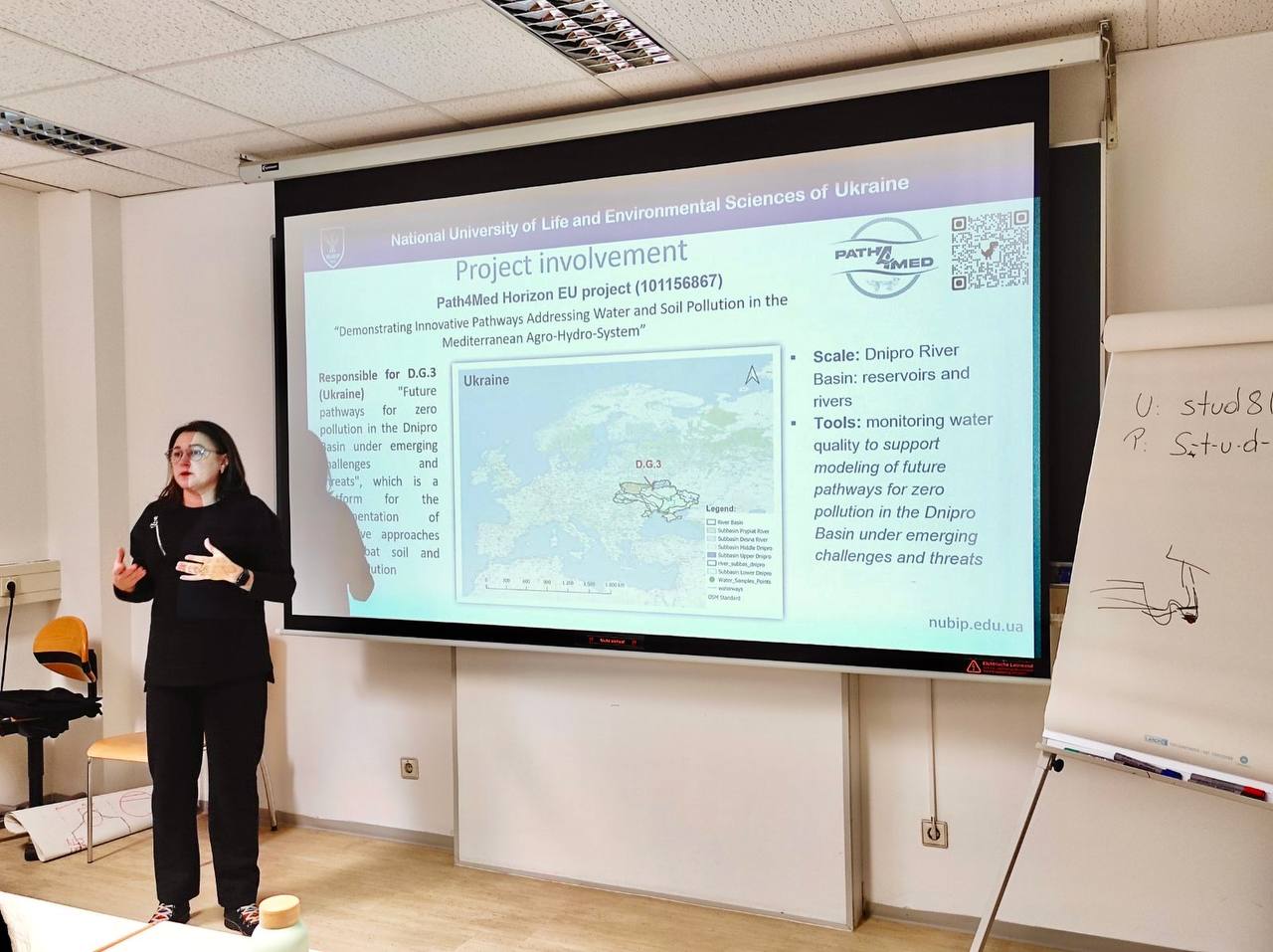
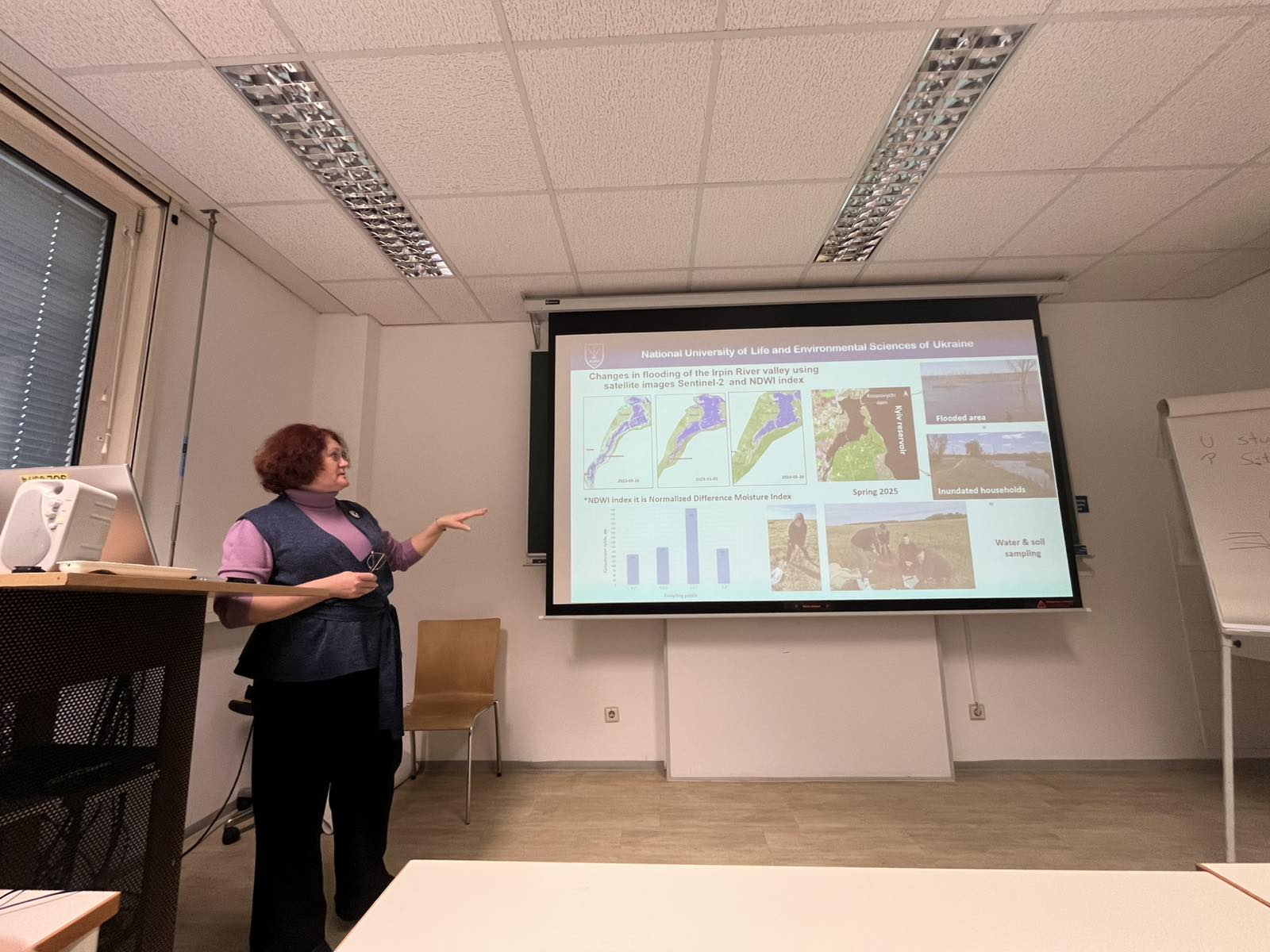
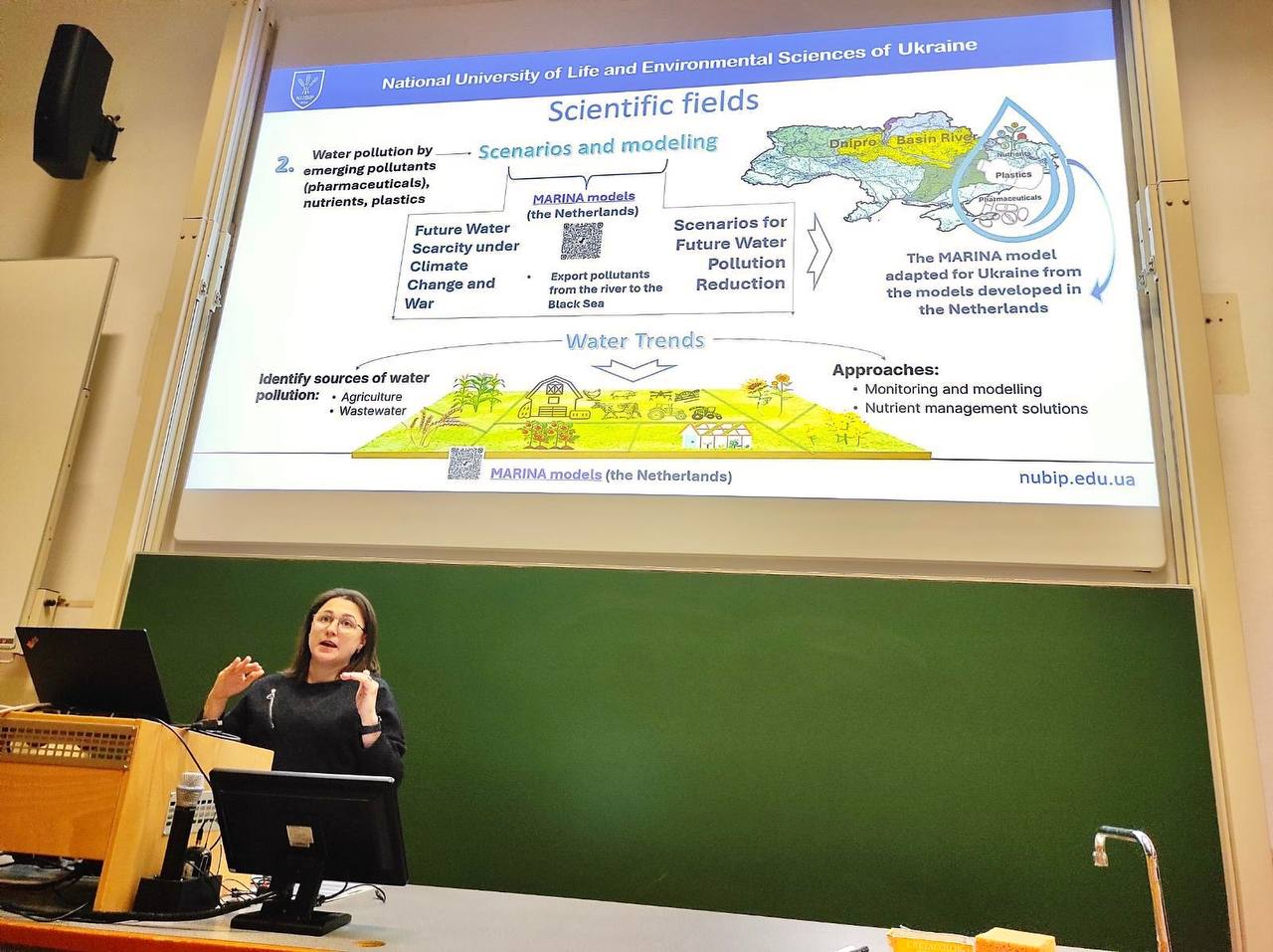
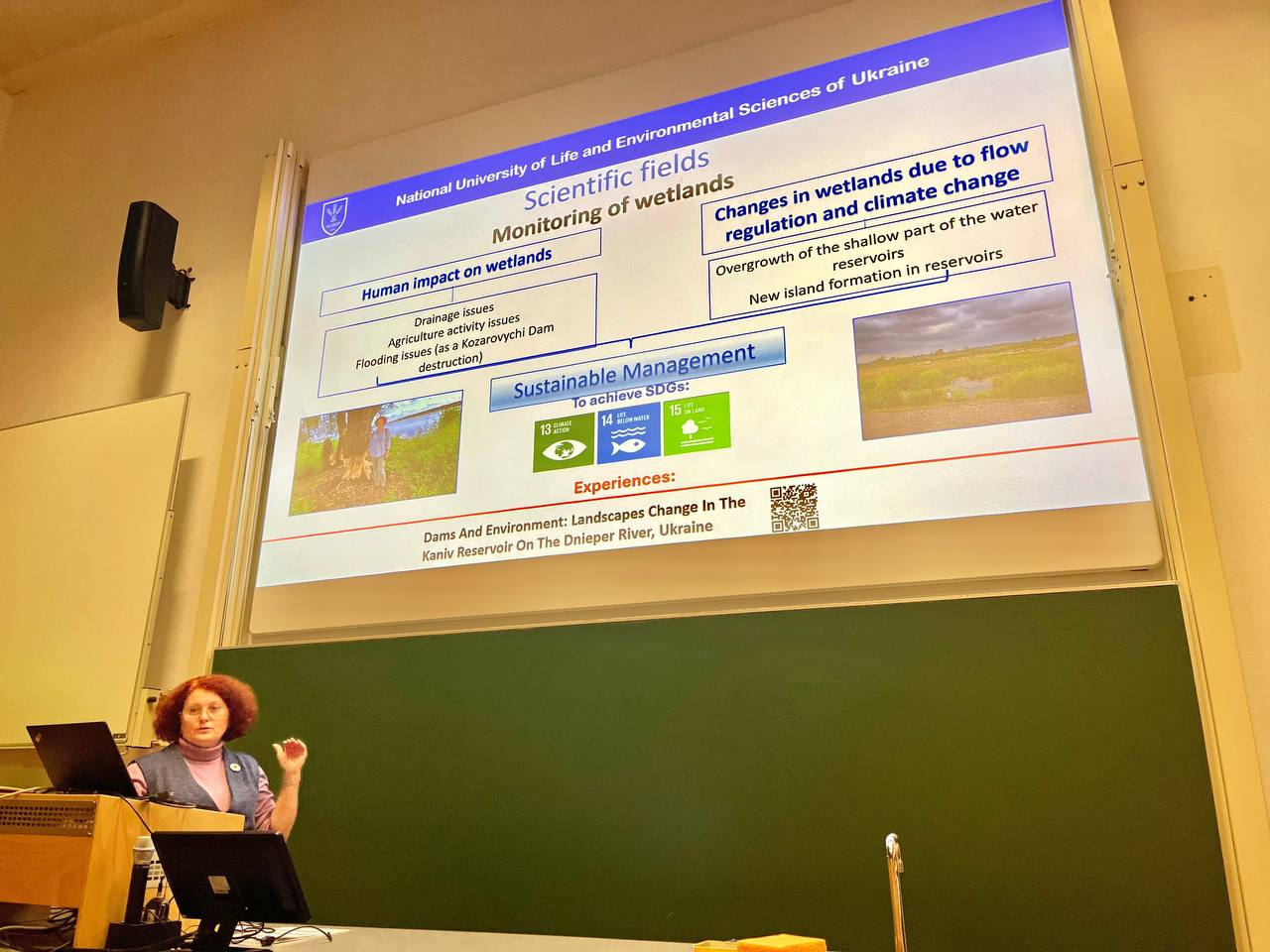
Also, within the framework of the workshop program, representatives from the Ukrainian side presented their scientific achievements to the audience. In particular, Vita STROKAL emphasized the importance of conducting monitoring studies on water quality, taking into account the implementation of European approaches to implementing effective solutions in water resources management under various challenges (climate change and war). Maryna LADYKA presented the area of her scientific interests related to wetland monitoring using modern remote monitoring tools and the use of GIS.
After presenting their scientific interests, the participants of the event visited the laboratories of the Institute of Sanitary Engineering and Water Pollution Control, in particular: a technological laboratory for wastewater treatment, a physicochemical laboratory for determining quantitative and qualitative indicators of water, a microbiology and molecular biology laboratory for conducting microbiological studies of water and creating biofilms for their further use in wastewater treatment.
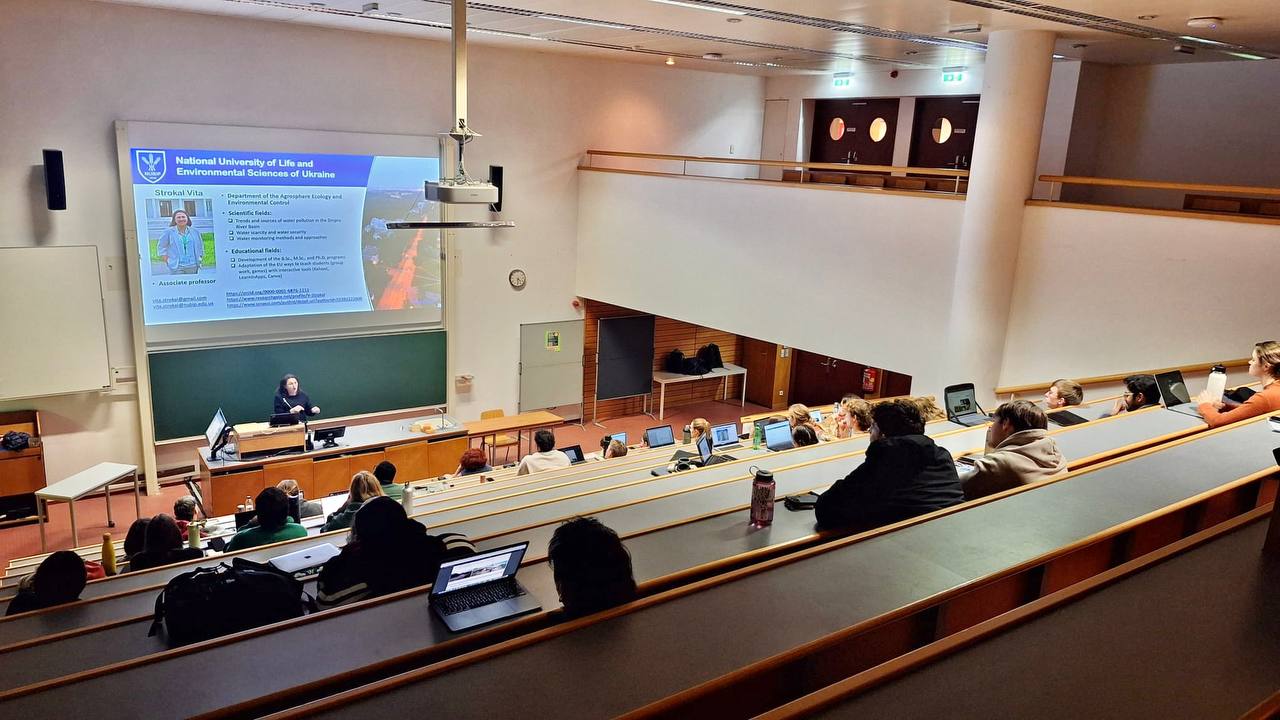
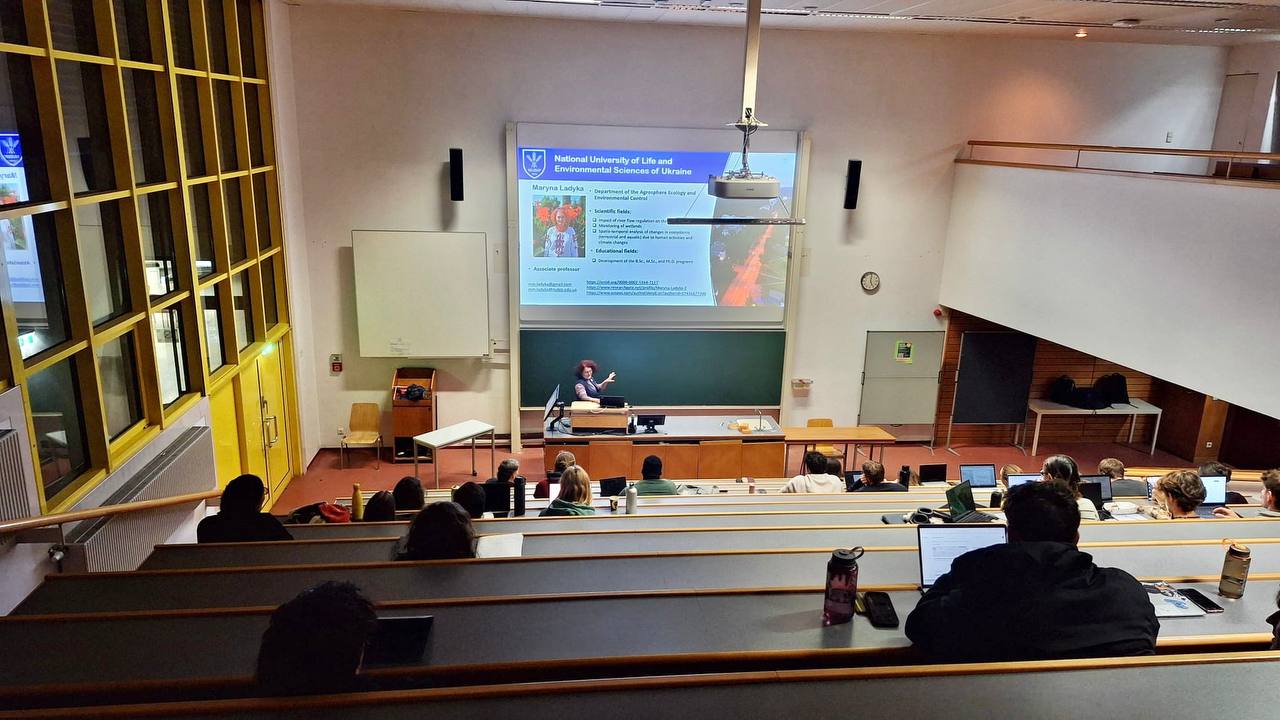
According to the internship program, representatives of NUBiP of Ukraine held lectures for students of BOKUuniversity in the framework of the LAWI301223 course "Soil Conservation".
Vita STROKAL raised topical issues of water shortage research in Ukraine and implementation of monitoring studies in the study of water quality indicators for various socio-economic sectors of Ukraine, including agriculture. She noted the significant impact of military actions on the deterioration of soil and water quality, justifying the consequences and causes. She separately focused on the issues of developing scenarios to identify ways to overcome agricultural challenges and climate change.
Maryna LADYKA presented research on monitoring the water regime in drained wetlands of Ukraine. She focused students' attention on the use of combined methods in modern monitoring of soil cover and land use using satellite images and their further analysis to develop ways of rational land resource management.
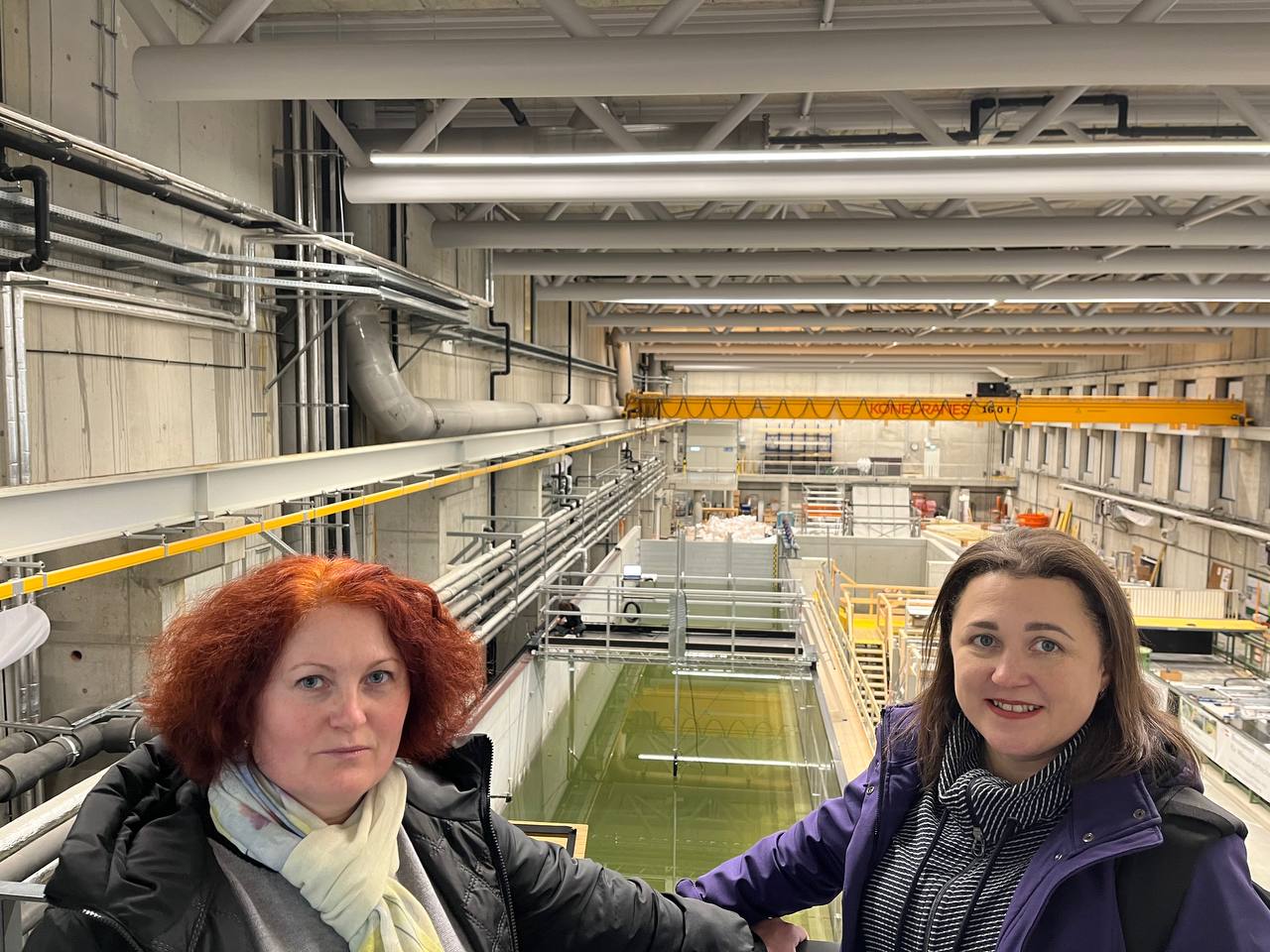
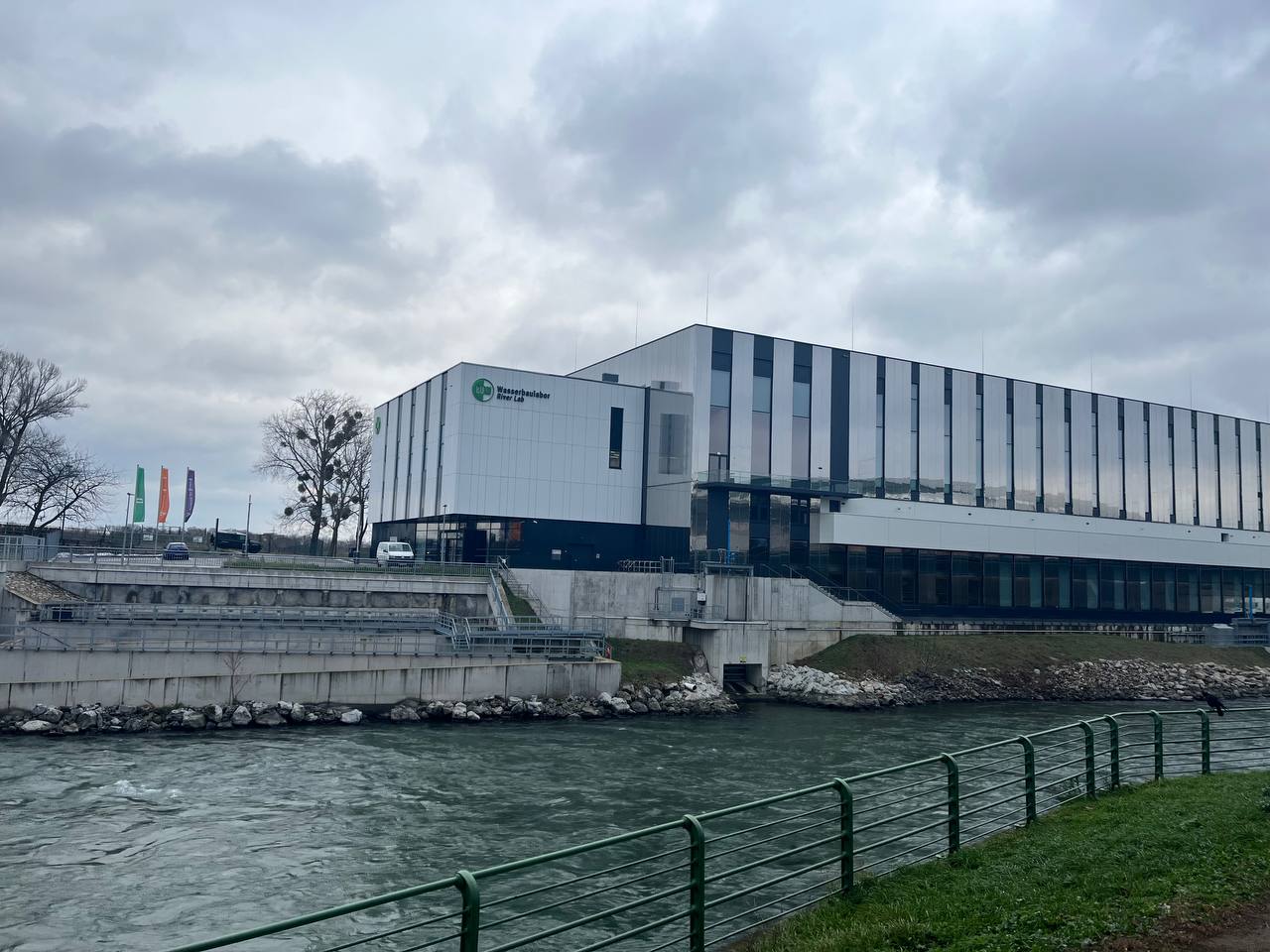
One of the highlights of the internship program was a visit to the laboratory at the Institute of Hydraulic Engineering and River Research, BOKU University. The laboratory is engaged in research in the field of renewable energy with sustainable hydropower, the implementation of integrated flood risk management methods. The direct areas of this laboratory are also river restoration and waterway infrastructure for inland navigation.
It is worth noting that the scientific internship program was rich and interesting. During the internship, we met with scientists from Indian universities, learned about the scientific achievements of scientists from BOKU University, talked with students from the host country, visited modern laboratories, and saw the implementation of innovative water purification methods for agriculture.
We would like to express our gratitude to the Vice-Rector's Service for Scientific and Pedagogical Work and International Activities, in particular, Vice-Rector Oleksandr Mykolayovych Labenko, Head of the International Relations Department Maksym Viktorovych Klymenko for the opportunity to participate in an international scientific internship and gain invaluable experience in international communication to expand international cooperation in the field of water resources management for agriculture.