


First-year students at the Faculty of Agrarian Management are creating their Group Profile — the first page of their shared student history
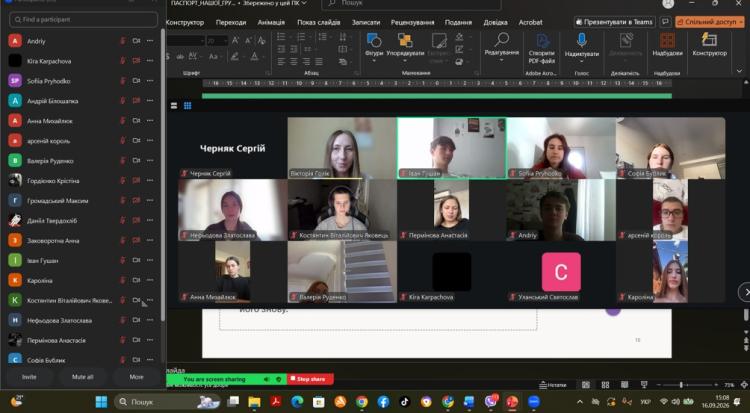
On 18 September, an organisational hour was held with the students of Group 7, Year 1, and their Personal Tutor, Viktoriia HOLIK. At the start of the meeting, Viktoriia Viktorivna enquired about the first-year students' moods, their readiness for this new stage of student life, and any issues arising as they adapt to university life. Particular attention was paid to the organisation of the educational process in the first semester of the 2026/2027 academic year, the study programme and the class schedule.
During the meeting, the academic Personal Tutor familiarised the students with the key requirements for organising their studies and emphasised the importance of regular attendance at lectures, timely completion of assignments posted on the Elearn learning and information portal, and a responsible approach to their studies. Particular emphasis was placed on the need for first-year students to participate actively in the educational process and to gradually adapt to the new conditions of student life.
The first few weeks of study at a higher education institution are a time for getting to know one another, adapting, forming new connections and establishing the first shared traditions. That is why an organisational hour entitled ‘Getting to Know One Another: The Sequel’ was held for first-year students in Group 7, during which the students not only got to know one another better but also began creating their own ‘Passport of Group 7, First Year, Faculty of Agrarian Management’.
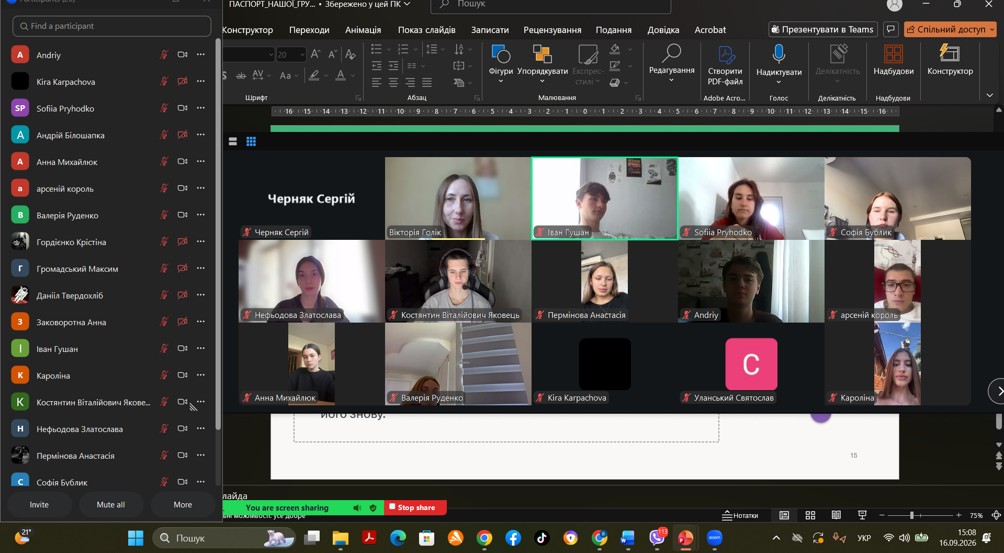
The organisational hour was structured around interactive discussion and teamwork. The central part of the meeting was an introduction to the idea of creating a ‘Passport’ for Group 7 of the first-year FAM students. The concept involves creating a shared document that will gradually be filled with information about the students, their hobbies, talents, achievements, goals, dreams and important events in their student lives.
The first few pages are intended to present a unique portrait of the group: a list of the students in the group with detailed information about the towns and villages they come from, their interests, interesting facts and special hobbies.
During short interviews, students also learnt about their classmates’ dreams and expectations regarding their university studies. This helped shape another important page of the future document — ‘Our Goals and Dreams’.
A key part of the meeting was a discussion about how the students wanted to see their group develop over the next four years. The participants identified possible shared goals, expectations and traditions that could become part of student life.
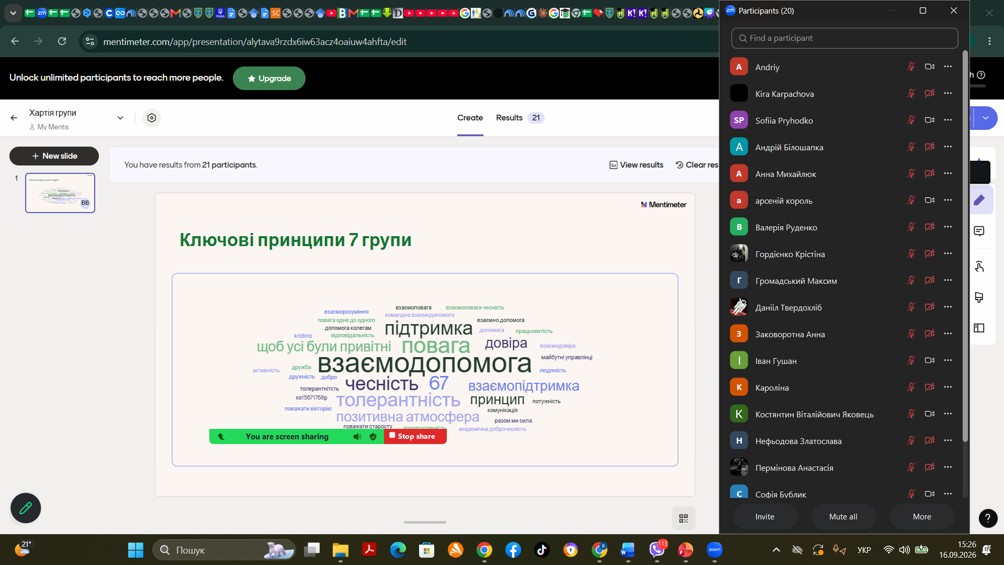
Separately, they were invited to draw up their own rules for interaction – a sort of ‘Group Code’ based on the key provisions of the Charter of Group 7, Year 1, FAM. The students took an active part in defining the key principles of interaction within the group; amongst these, they collectively selected, in particular, the following: mutual respect, mutual assistance, support, a willingness to work as a team, the ability to listen to one another, tolerance of different opinions, openness to communication and responsiveness.
Attention was also paid to the ‘My Superpower’ exercise. Each student identified their own strength that could be useful to the group: sociability, creativity, organisational skills, analytical thinking, the ability to work with information, sporting or creative abilities, and other skills.
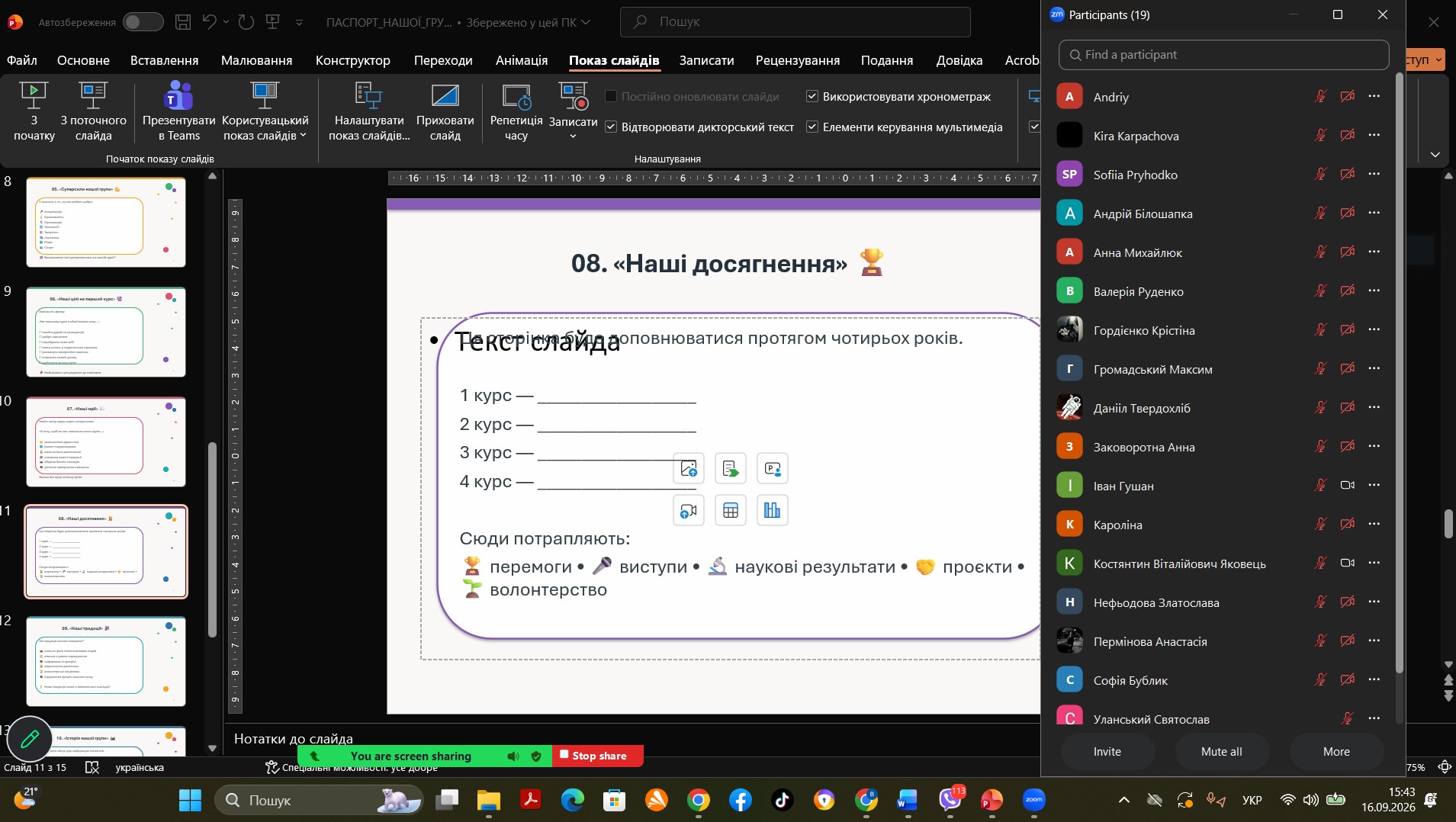
A special highlight was the addition of the group’s first joint photos from the First-Year Student Induction Ceremony at the Faculty of Agrarian Management. This marked the start of a photographic chronicle of student life. In future, it is planned to add photographs to the ‘Group Passport’ from university events, early achievements, completed projects, trips, voluntary initiatives, and creative and sporting accomplishments.
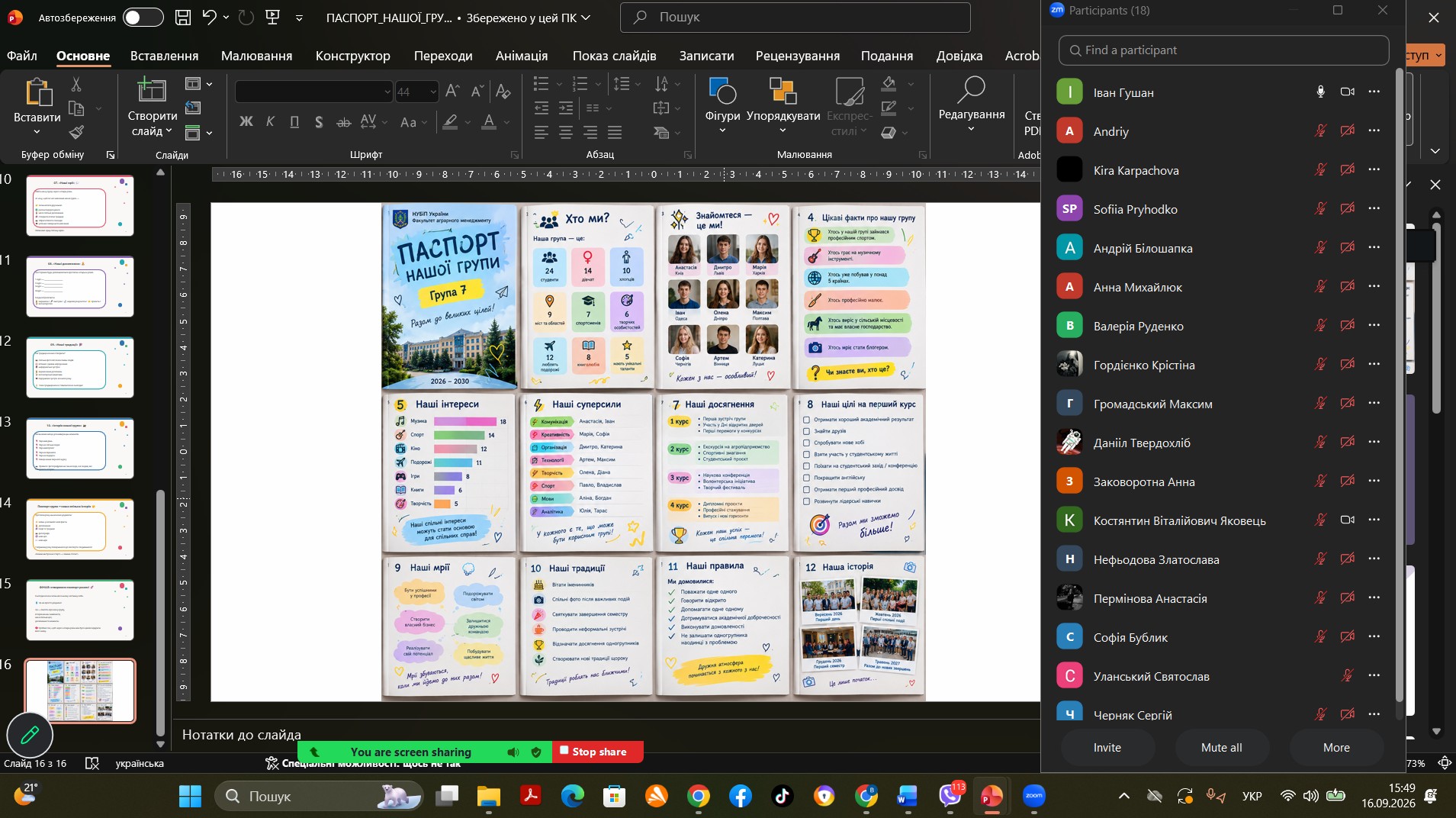
In this way, the ‘Group Passport’ is intended to become not merely an informational document, but a unique chronicle of their student years. Its pages will be updated throughout their time at university, reflecting changes, new achievements, shared events and traditions.
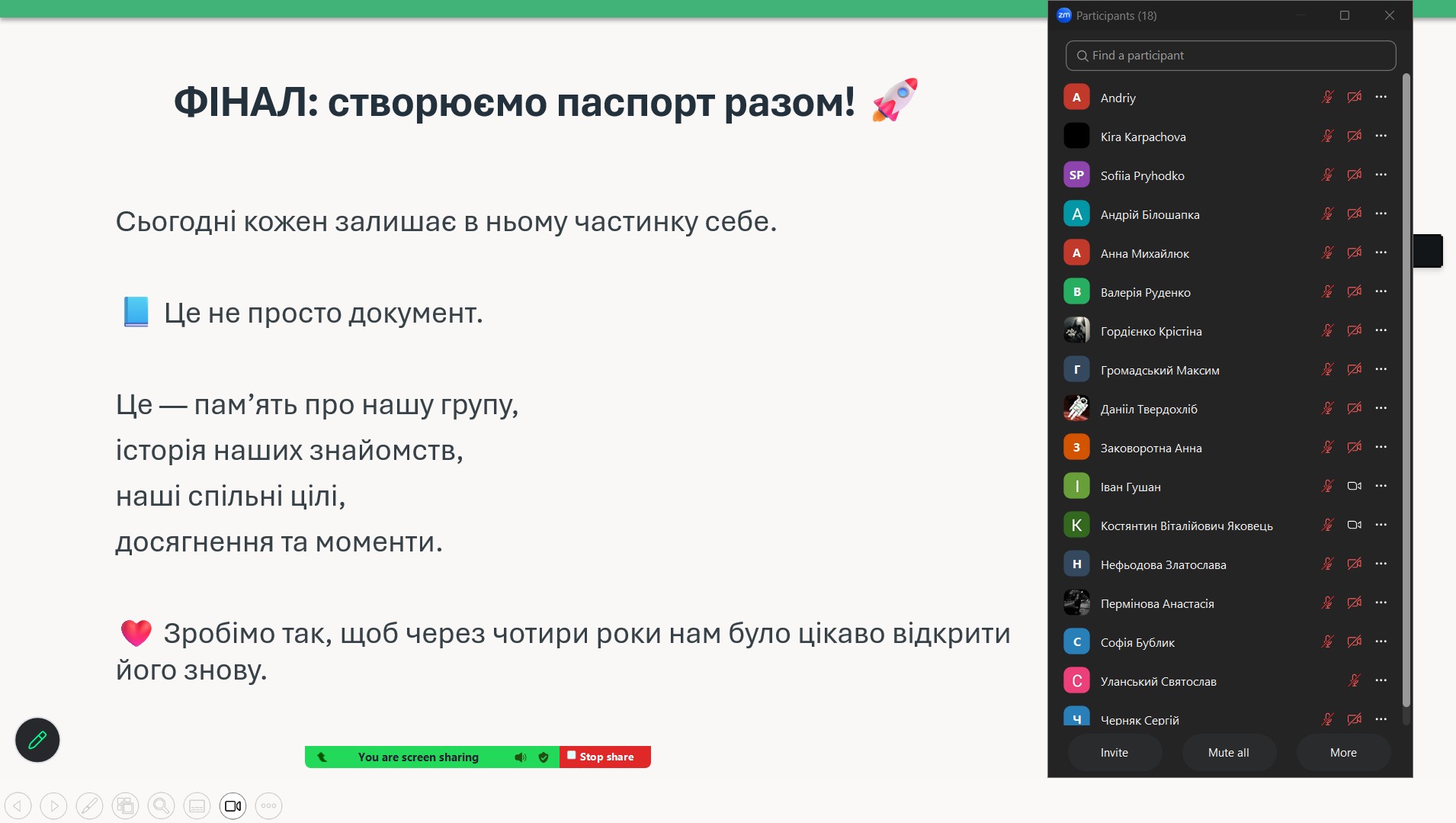
The organisational hour provided an opportunity for first-year students to take the first step from simply getting to know one another towards forming a close-knit student community, as university years are not just about studying, but also about making new friends, teamwork, joint initiatives, experiences and memories that last a lifetime.
The students have four years of study, new challenges and opportunities ahead of them. The first page of their shared history has already been written, and the next ones are waiting to be filled.