The National University of Life and Environmental Sciences of Ukraine has joined the preparation of a Horizon Europe project on the bioremediation of Ukrainian ecosystems contaminated as a result of military operations
In April 2026, as part of the European Union’s Horizon Europe programme, a call for proposals was announced under the reference HORIZON-CL6-2026-01-ZEROPOLLUTION-02: ‘Bioremediation of Ukraine’s ecosystems contaminated by conflicts’.
The competition aims to fund projects focused on the development and implementation of biological methods for the remediation of contaminated soil, water bodies, natural ecosystems and areas damaged as a result of military operations in Ukraine. Particular emphasis is placed on creating scientifically sound solutions for post-war environmental restoration and minimising the long-term ecological consequences of the war.
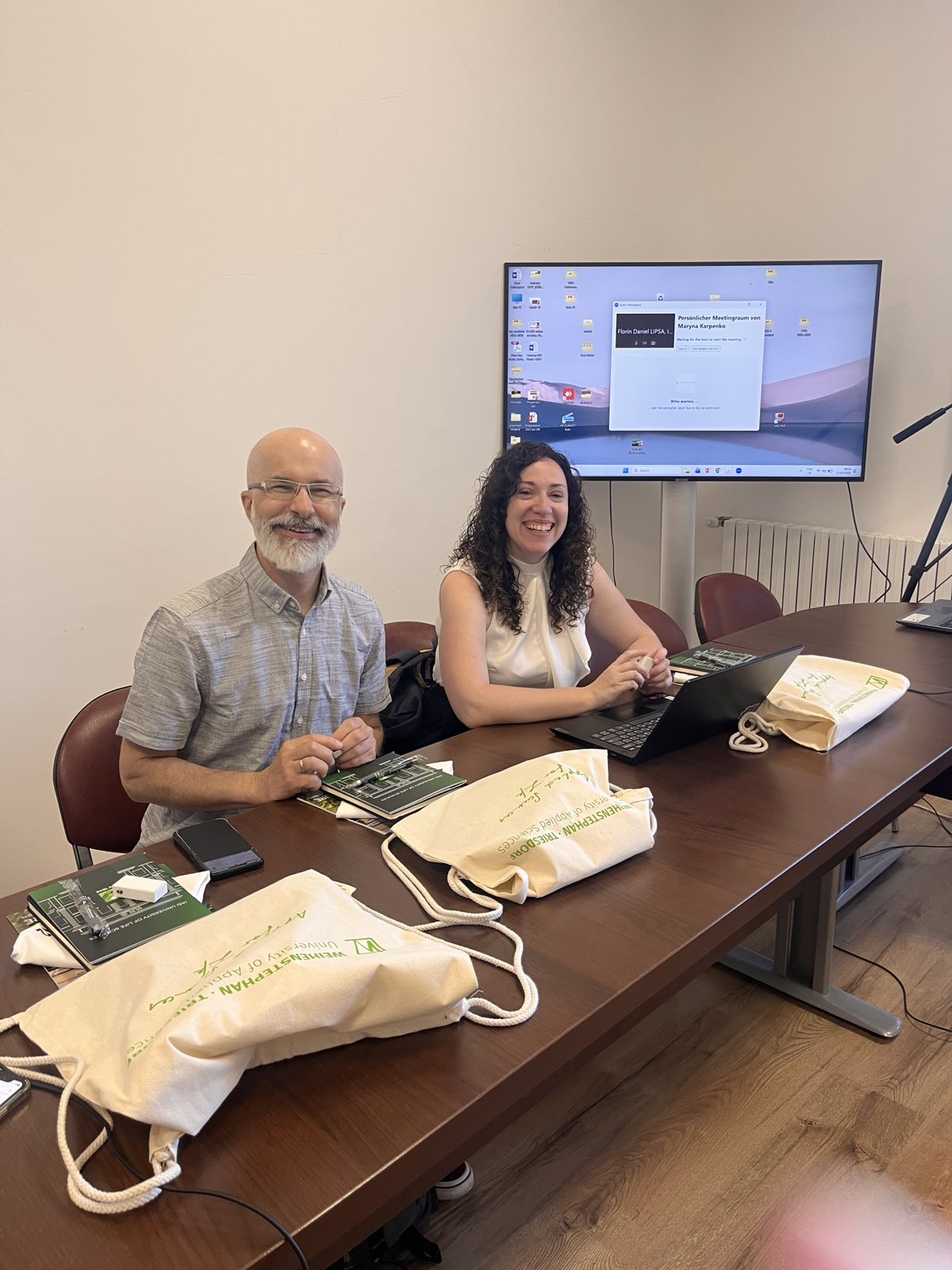
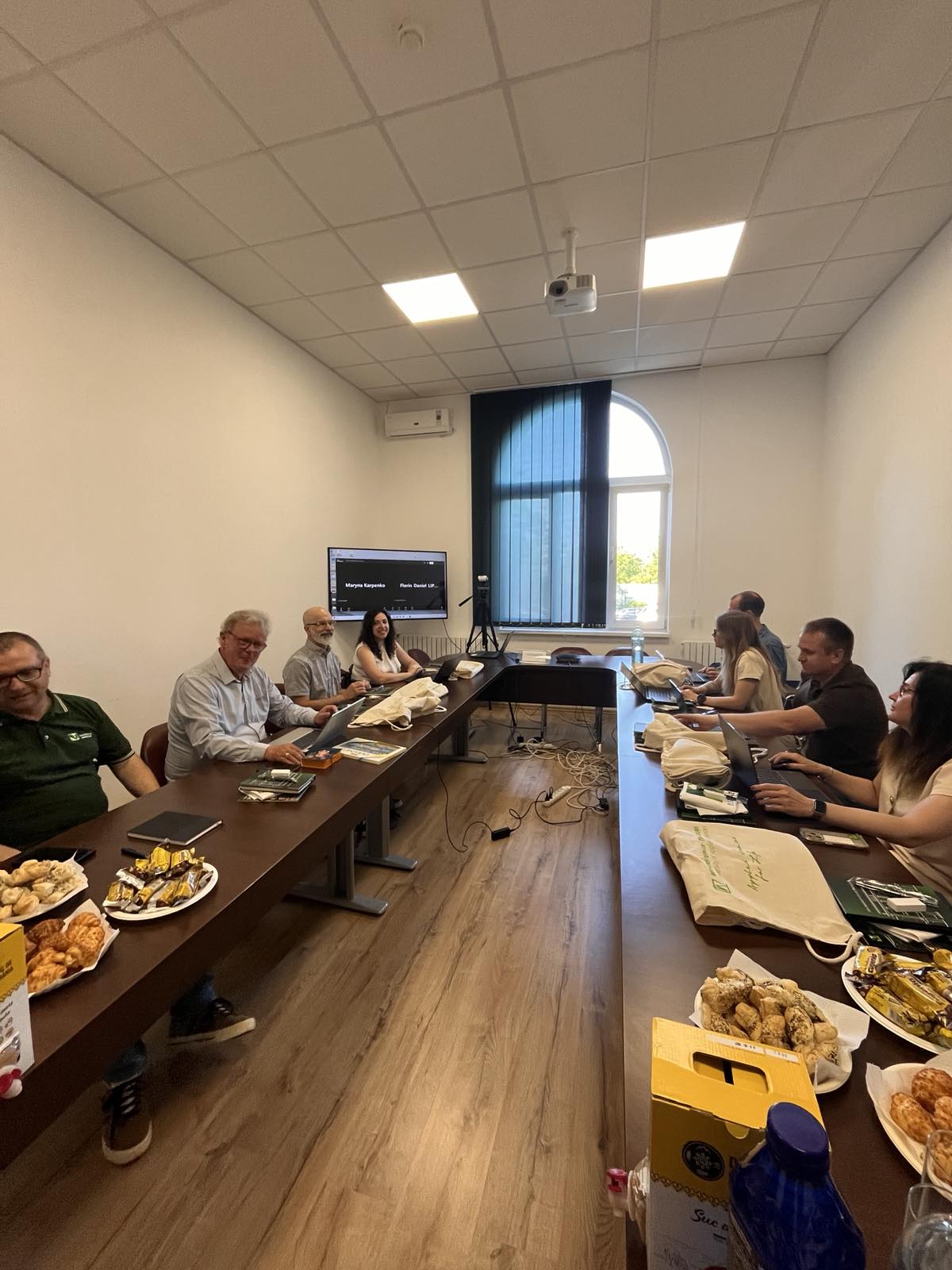
As part of the newly established international REBOUND consortium, the National University of Life and Environmental Sciences of Ukraine was invited to participate in a workshop on preparing a project proposal. The event took place on 27–30 May 2026 at the Iasi University of Life Sciences (IULS) (Iasi, Romania).
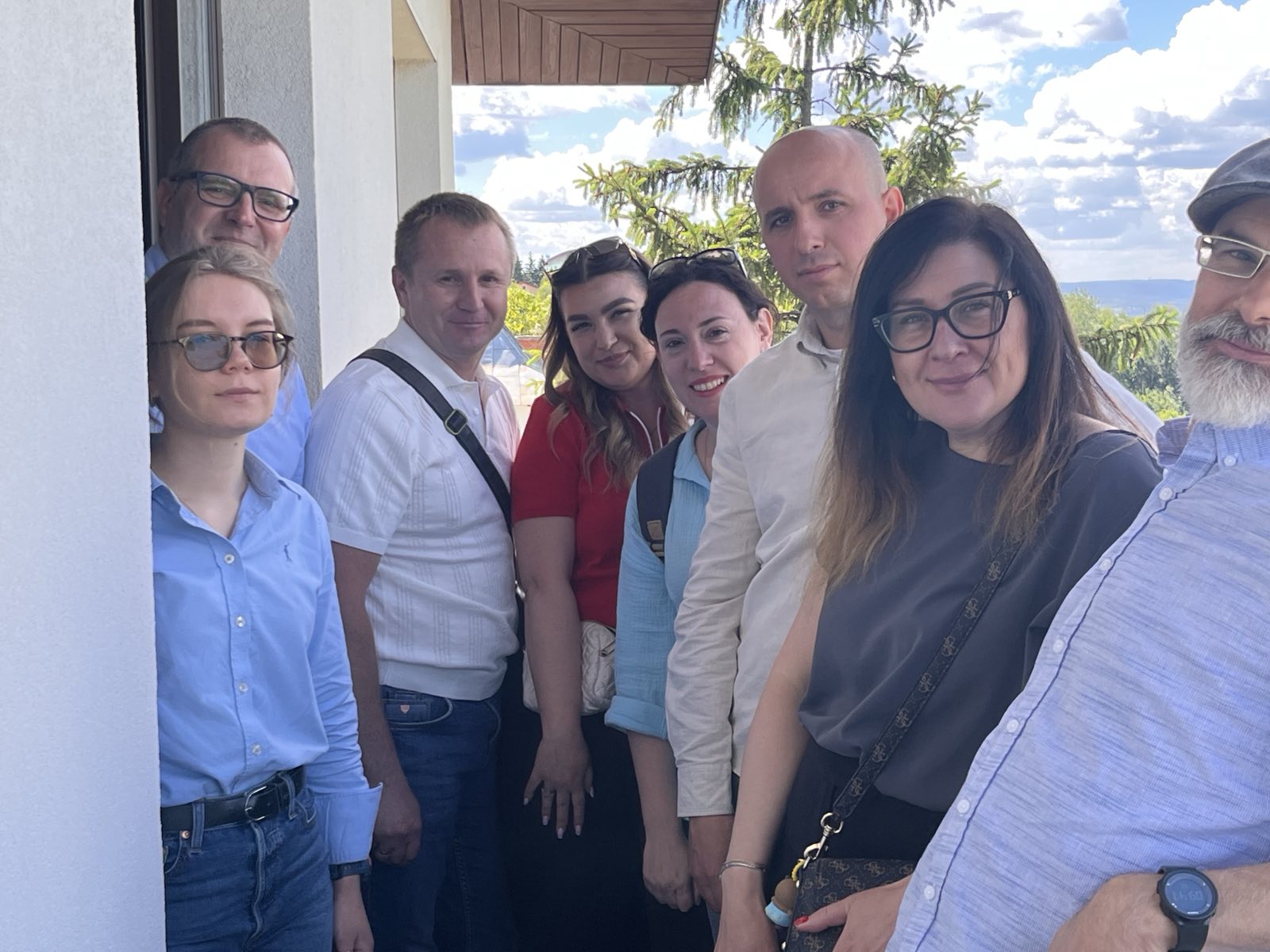
The National University of Life and Environmental Sciences of Ukraine was represented at the workshop by Olga KRAVCHENKO, Associate Professor and Deputy Dean for International Affairs at the Faculty of Agrobiology. The workshop was also attended by representatives of Sumy National Agrarian University, the National University of Water and Environmental Management, Weihenstephan-Triesdorf University of Applied Sciences (Germany), the Norwegian Institute for Water Research (Norway), DECONTA (Czech Republic-Serbia), as well as scientists and experts from the University of Life Sciences in Iasi (Romania).
Over the course of four intensive days, participants worked on developing the project concept, defining key scientific objectives, structuring work packages and establishing mechanisms for interaction between consortium partners. Considerable attention was paid to assessing the environmental consequences of military operations, developing biotechnological approaches to the restoration of contaminated areas, and creating effective models for post-war environmental rehabilitation.
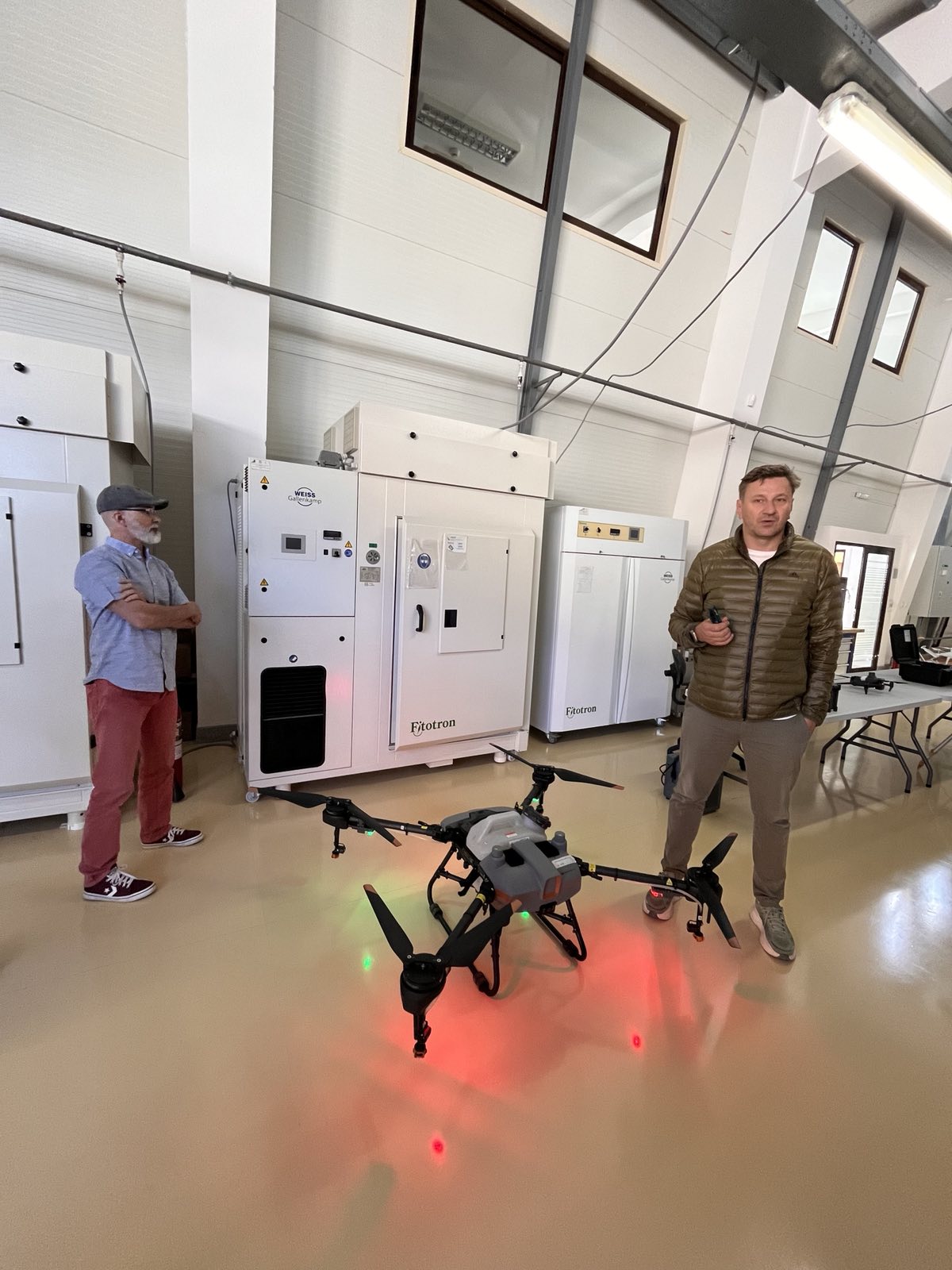
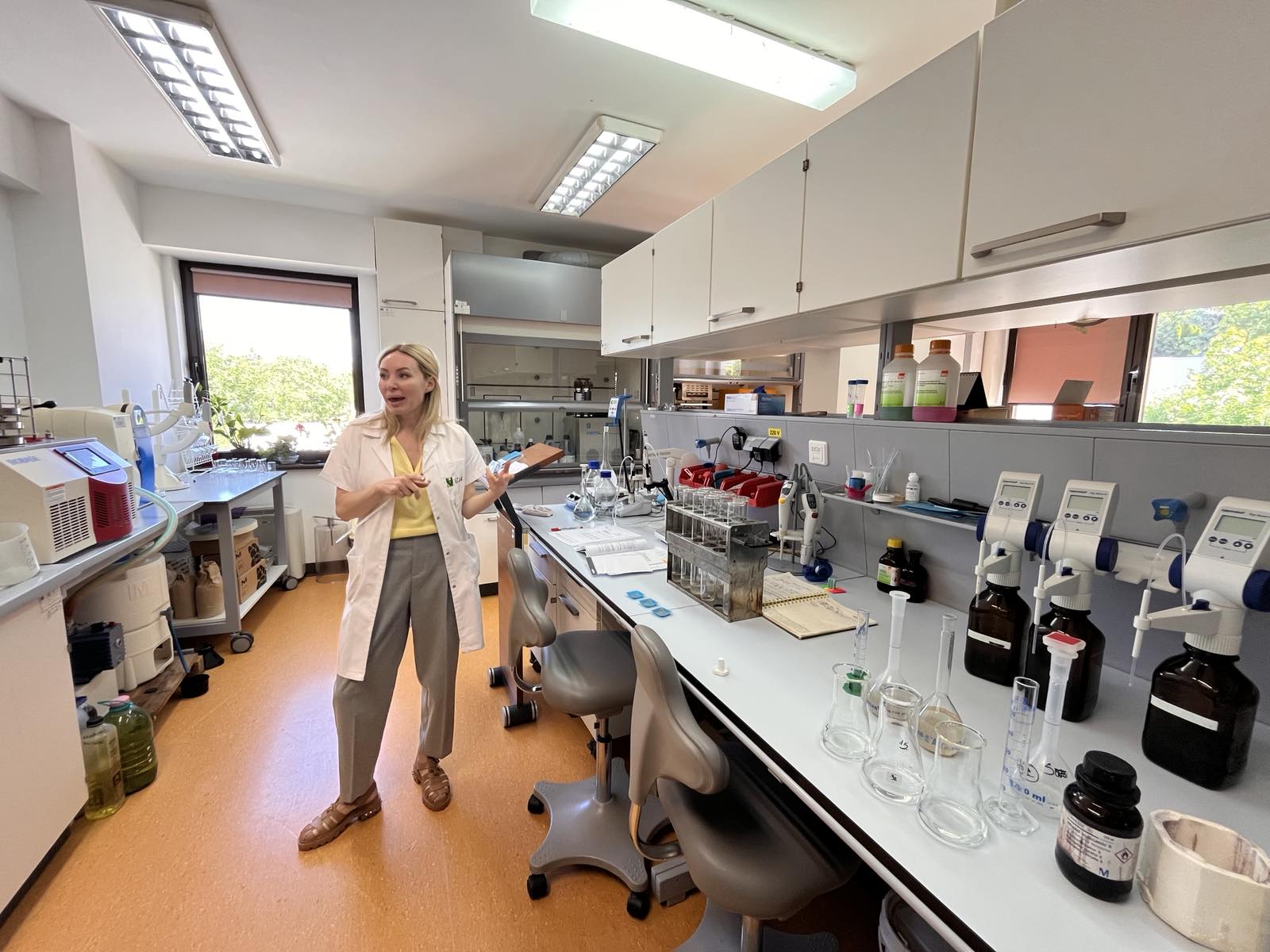
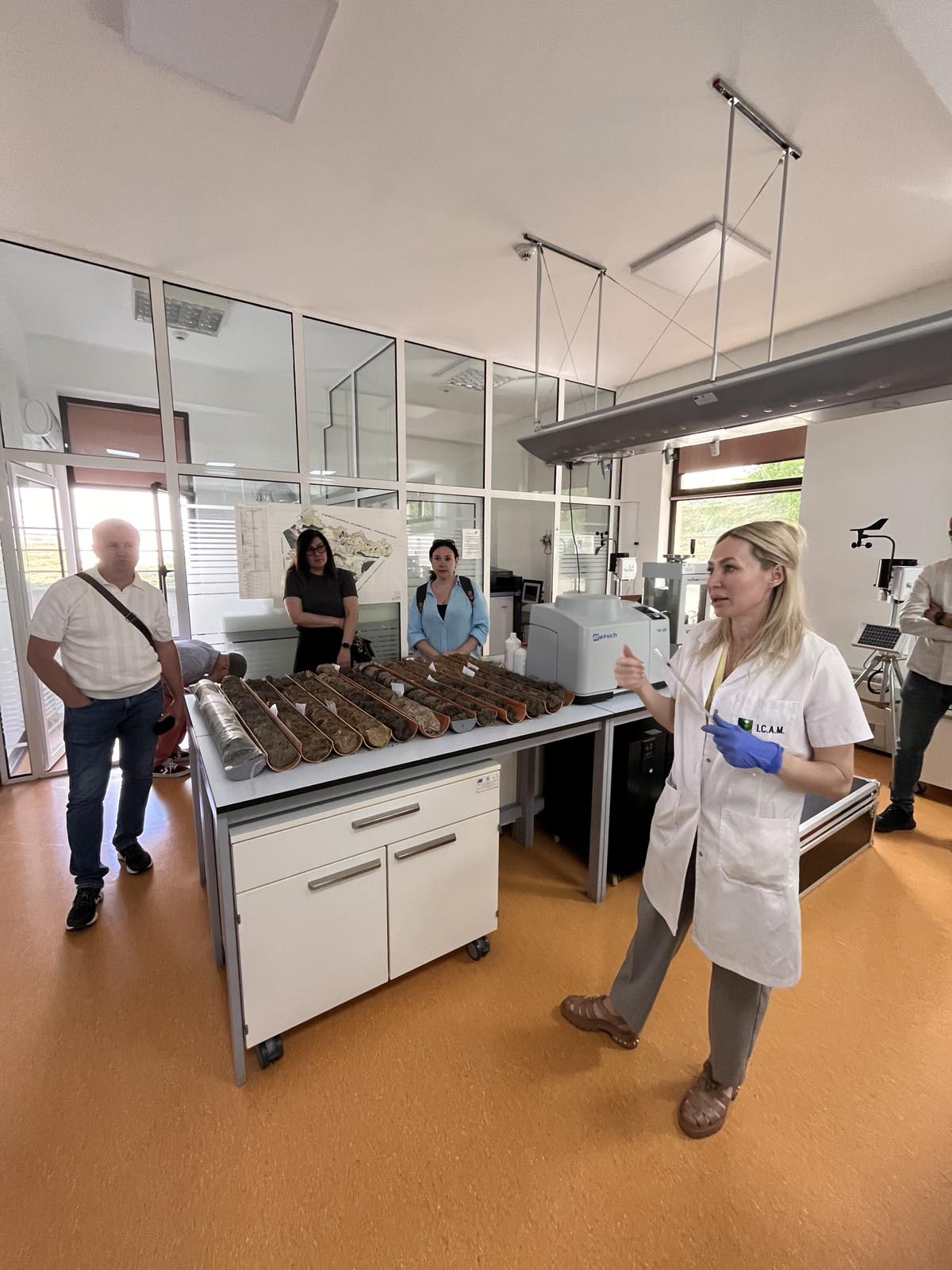
In addition to the working sessions, participants were given a tour of the university’s research infrastructure. In particular, they were shown the laboratories of agrochemistry, soil quality and water quality at the Faculty of Agricultural Sciences, where research is carried out on environmental monitoring and sustainable management of natural resources.
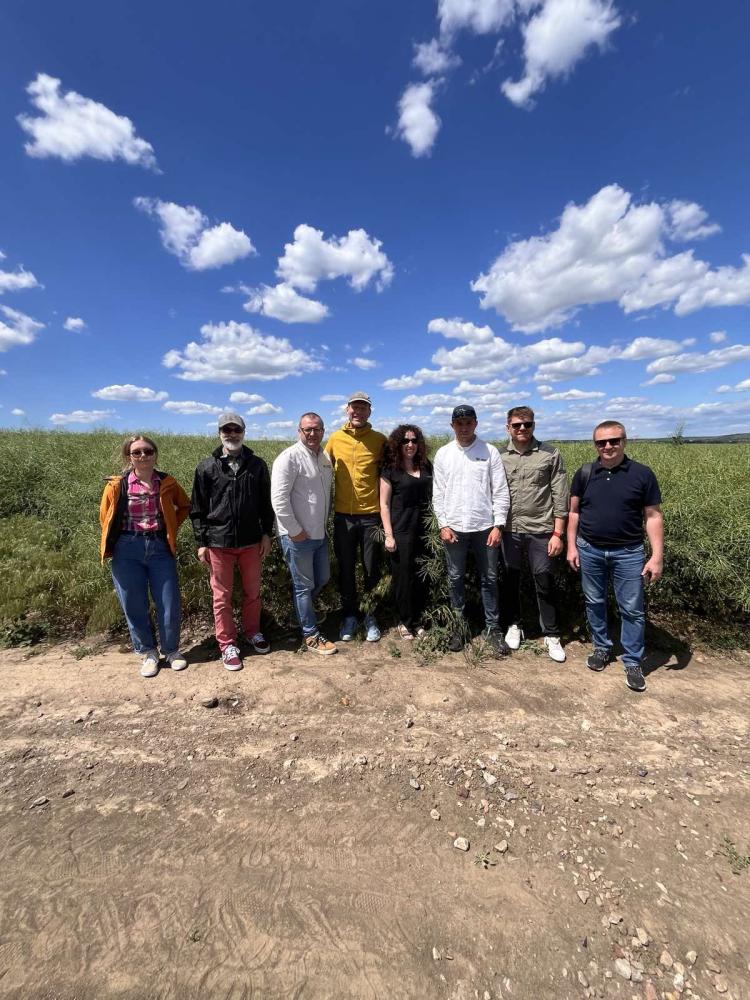
The participants also visited one of the region’s largest private farms, covering over 5,000 hectares, where they learnt about modern approaches to agriculture and land management practices.
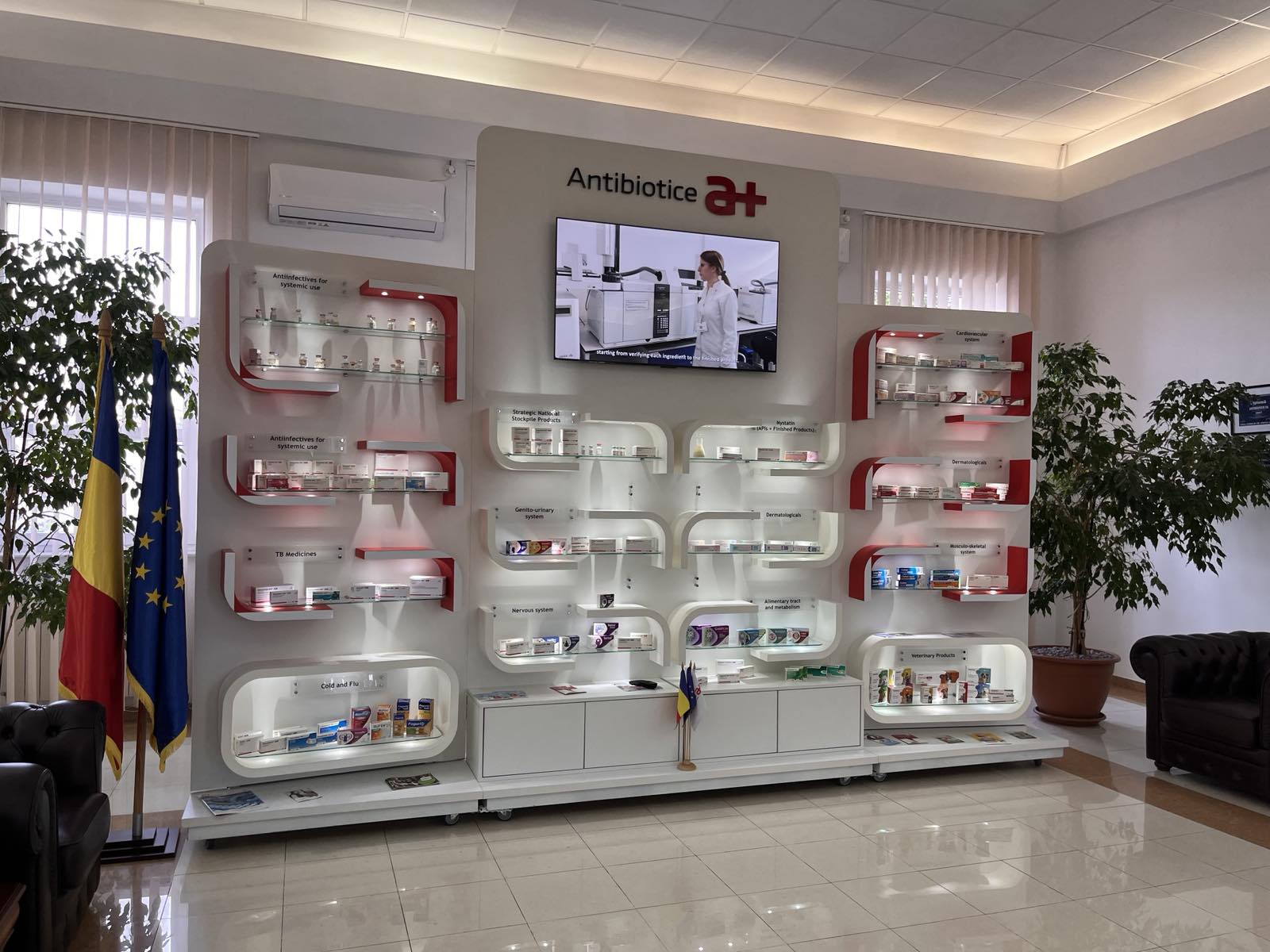
One of the highlights of the programme was a visit to the production facilities of Antibiotice Iași — one of Romania’s leading pharmaceutical manufacturers. The company is present in more than 70 countries worldwide and has a portfolio of over 200 medicinal products. Participants familiarised themselves with its research and production infrastructure, innovative approaches to product development, and mechanisms for technology transfer between research and production.
The workshop marked an important step in the preparation of an international project proposal and the strengthening of partnerships between Ukrainian and European research institutions.
We hope that the results of the REBOUND consortium’s collaborative work will help secure funding under the Horizon Europe programme, and that researchers at the National University of Life and Environmental Sciences of Ukraine will be able to make a significant contribution to Ukraine’s post-war recovery and the development of innovative solutions for the rehabilitation of damaged agroecosystems.