


Practical Training
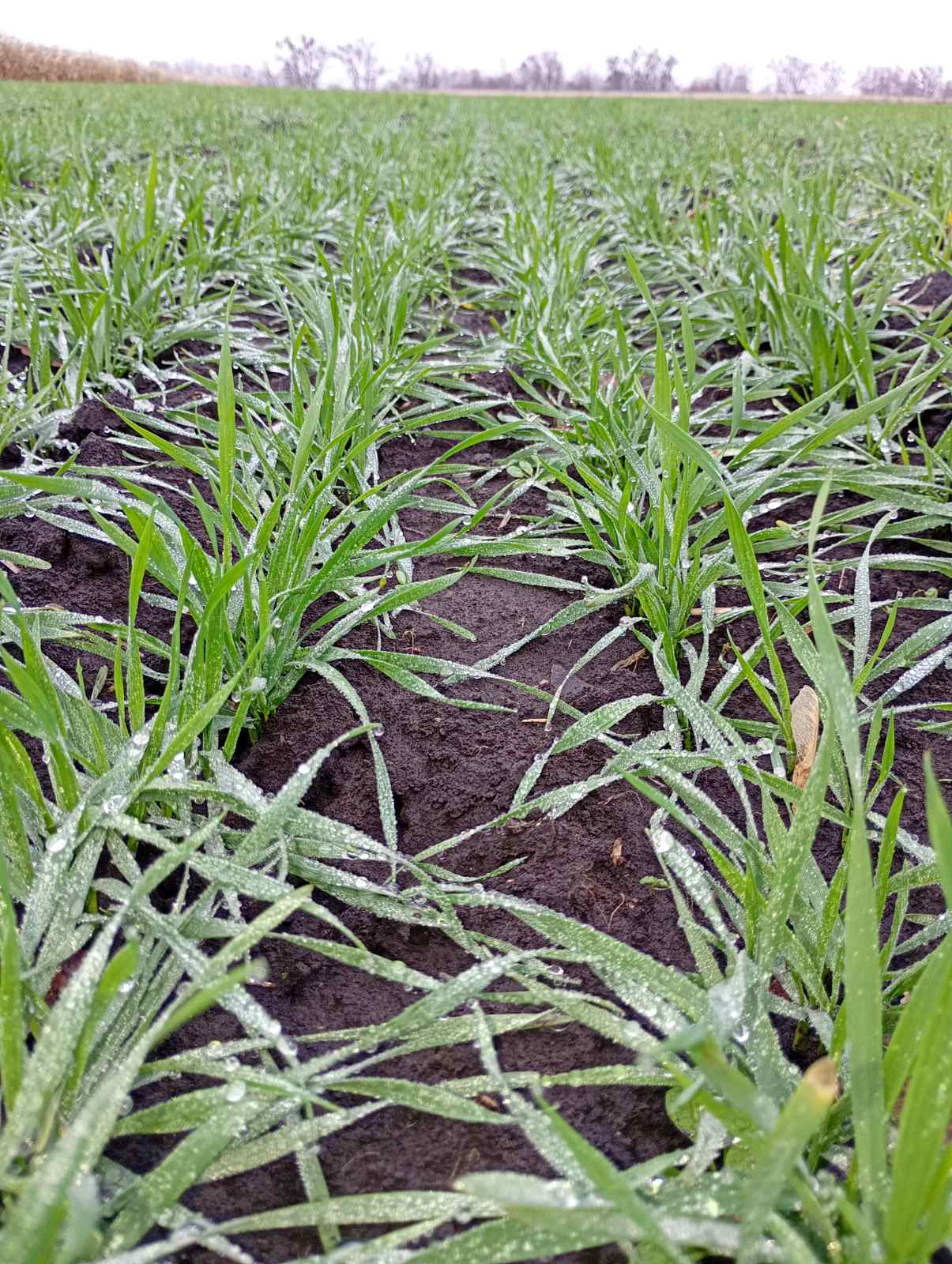
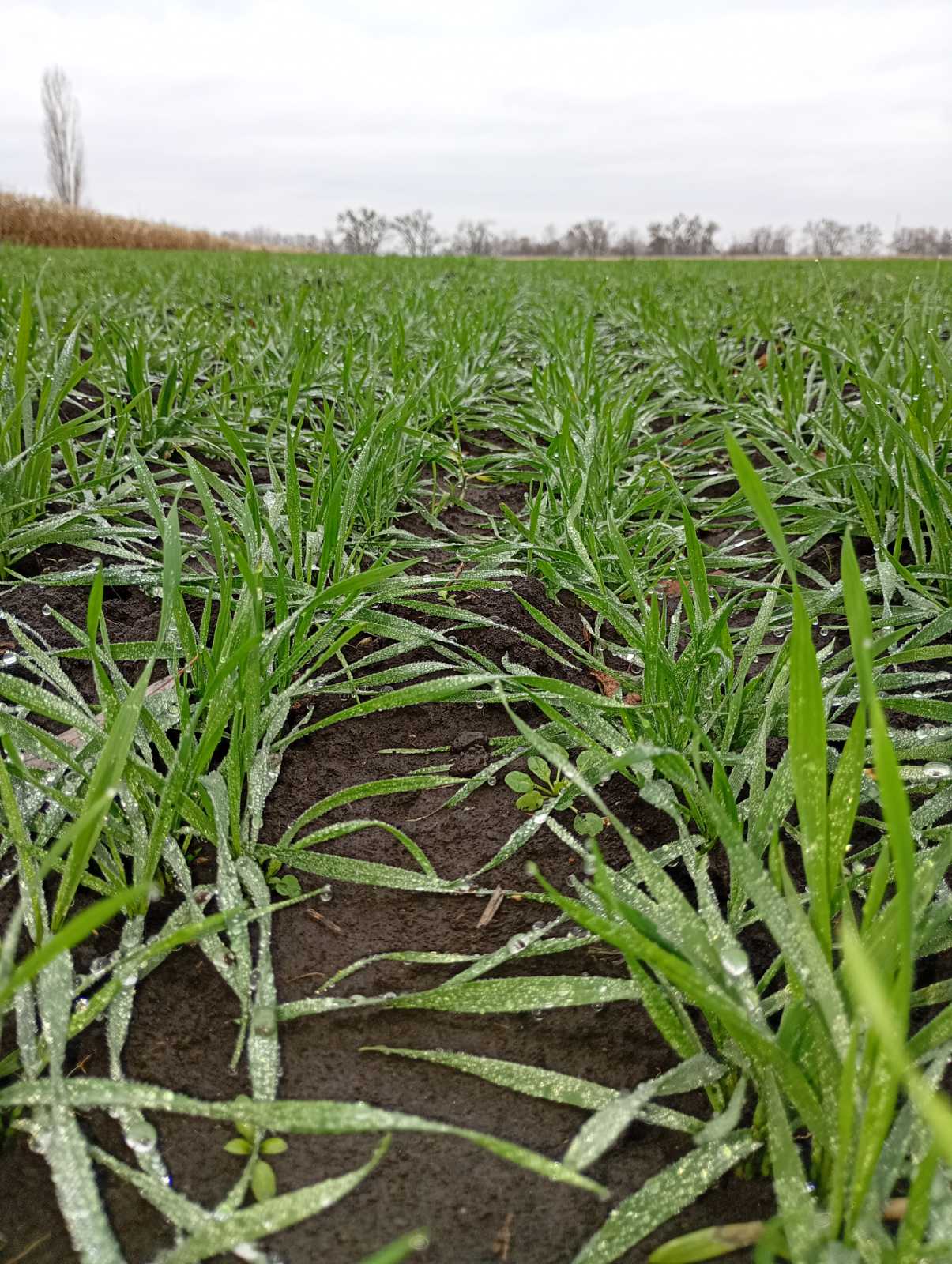
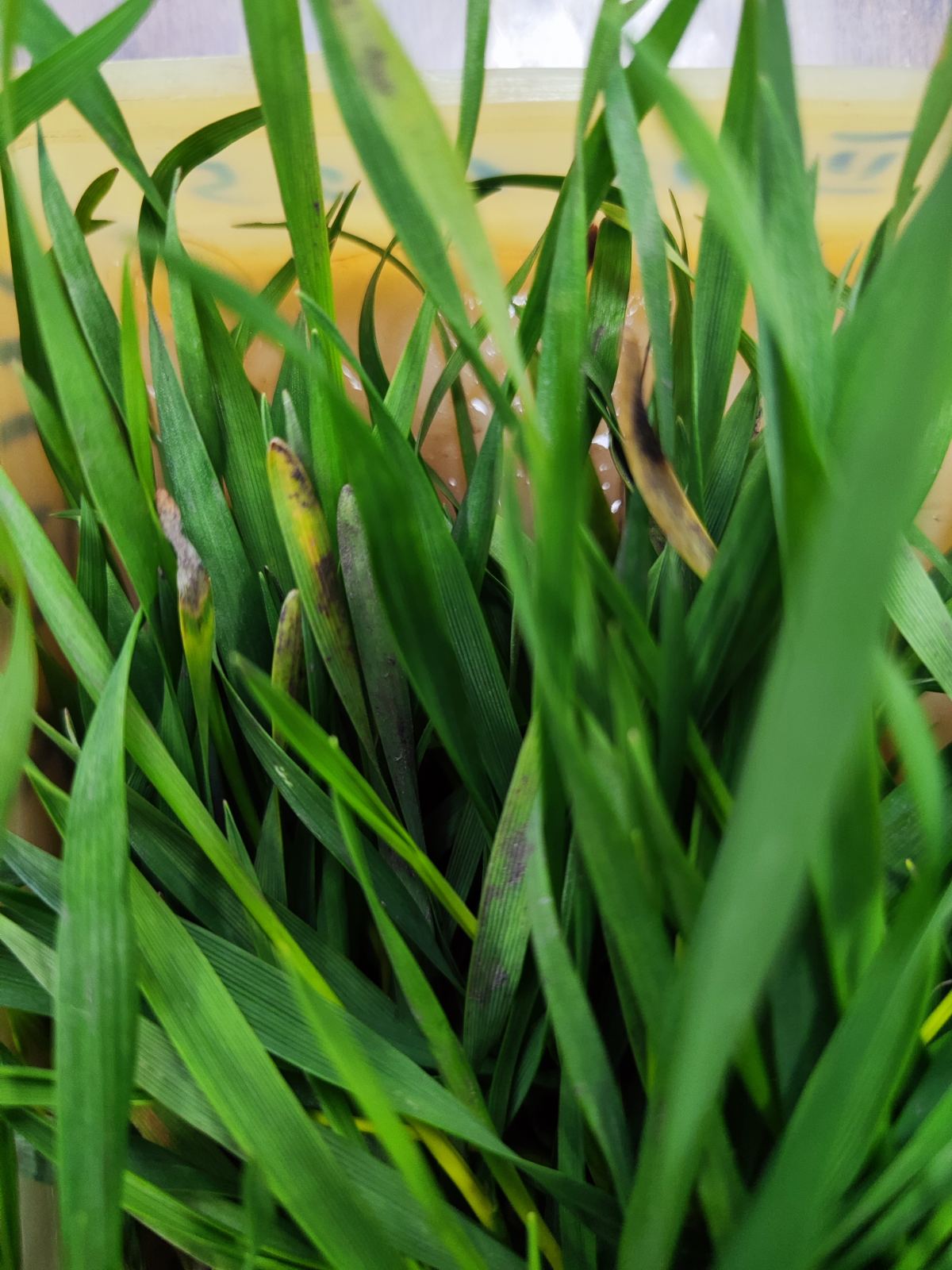
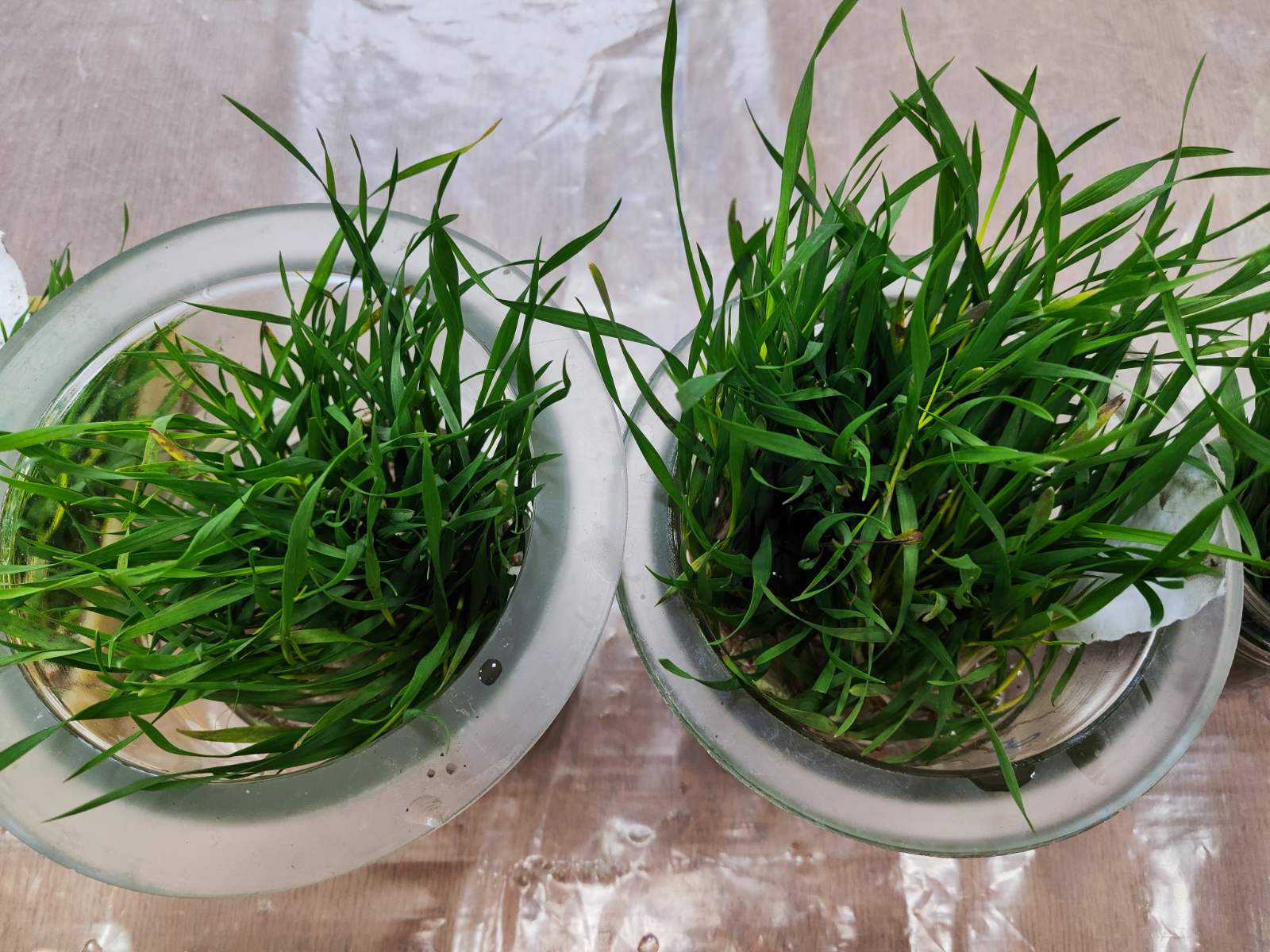
Practical training facilities have been established at the research field of the Academician V.F. Peresypkin Department of Phytopathology, located at the "Agronomic Research Station" Education and Research Farm of NULES of Ukraine.
Two practical training facilities include:
- Winter wheat — 2.4 ha, "Evaluation of the Technical Efficiency of Winter Wheat Seed Treatments."
- Corn — 0.8 ha, "Testing Corn Hybrids for Resistance to Head Smut of Corn (Sphacelotheca reiliana)."


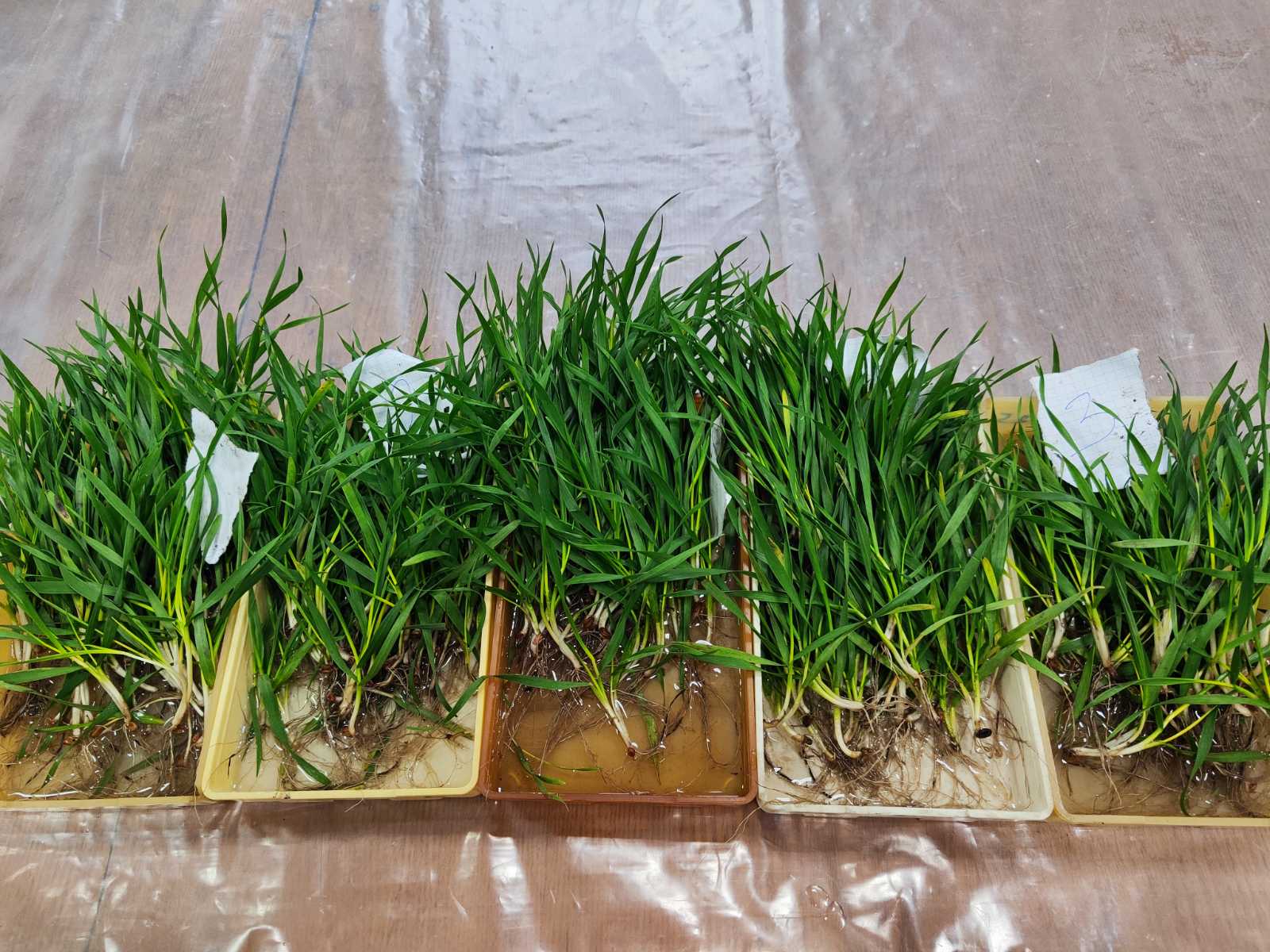
Collection of Micromycetes — Crop Patogens and Educational Resources
A museum of pure cultures of plant pathogenic fungi has been established at the department. The collection includes isolates of the most common and economically important crop disease pathogens, representing key taxonomic groups of phytopathogenic fungi and micromycetes. It features plant pathogens (genera Fusarium, Alternaria, Botrytis, Sclerotinia), antibiotic producers (genera Trichoderma, Penicillium), and mycotoxicoses agents (genera Fusarium, Aspergillus, Penicillium).
This collection is actively integrated into the educational process for the in-depth study of fungal morphology, biology, and pathogenicity. It provides essential laboratory and practical resources for courses such as General Mycology, General Phytopathology, Mycotoxicology, and Antagonistic Microorganisms in Plant Protection.
The collection is regularly expanded and updated through isolation into pure cultures, identification based on morphological and molecular traits, and the preservation of strain viability on nutrient media.
Collection of Phytopathogenic Micromycetes — Pathogens of Major Crop Diseases:
1. Fusarium spp.
Taxonomy: Ascomycota → Sordariomycetes → Hypocreales → Nectriaceae.
Representatives of the genus Fusarium are among the most widespread phytopathogens. The collection includes species that cause Fusarium root rot and Fusarium wilt of vegetable and industrial crops (F. oxysporum), as well as Fusarium head blight of cereals (F. graminearum, F. culmorum). Many species produce mycotoxins (trichothecenes, fumonisins), making them critical objects of research in mycotoxicology.


2. Alternaria spp.
Taxonomy: Ascomycota → Dothideomycetes → Pleosporales → Pleosporaceae.
Fungi of the genus Alternaria are typical necrotrophs widely distributed on vegetable, industrial, fruit, and oilseed crops. The collection includes species that cause Alternaria blight (early blight) of tomatoes and potatoes (A. solani), as well as diseases of brassica crops (A. brassicae, A. brassicicola), sunflower, and carrot. They are characterized by dark, club-shaped conidia capable of toxin production.
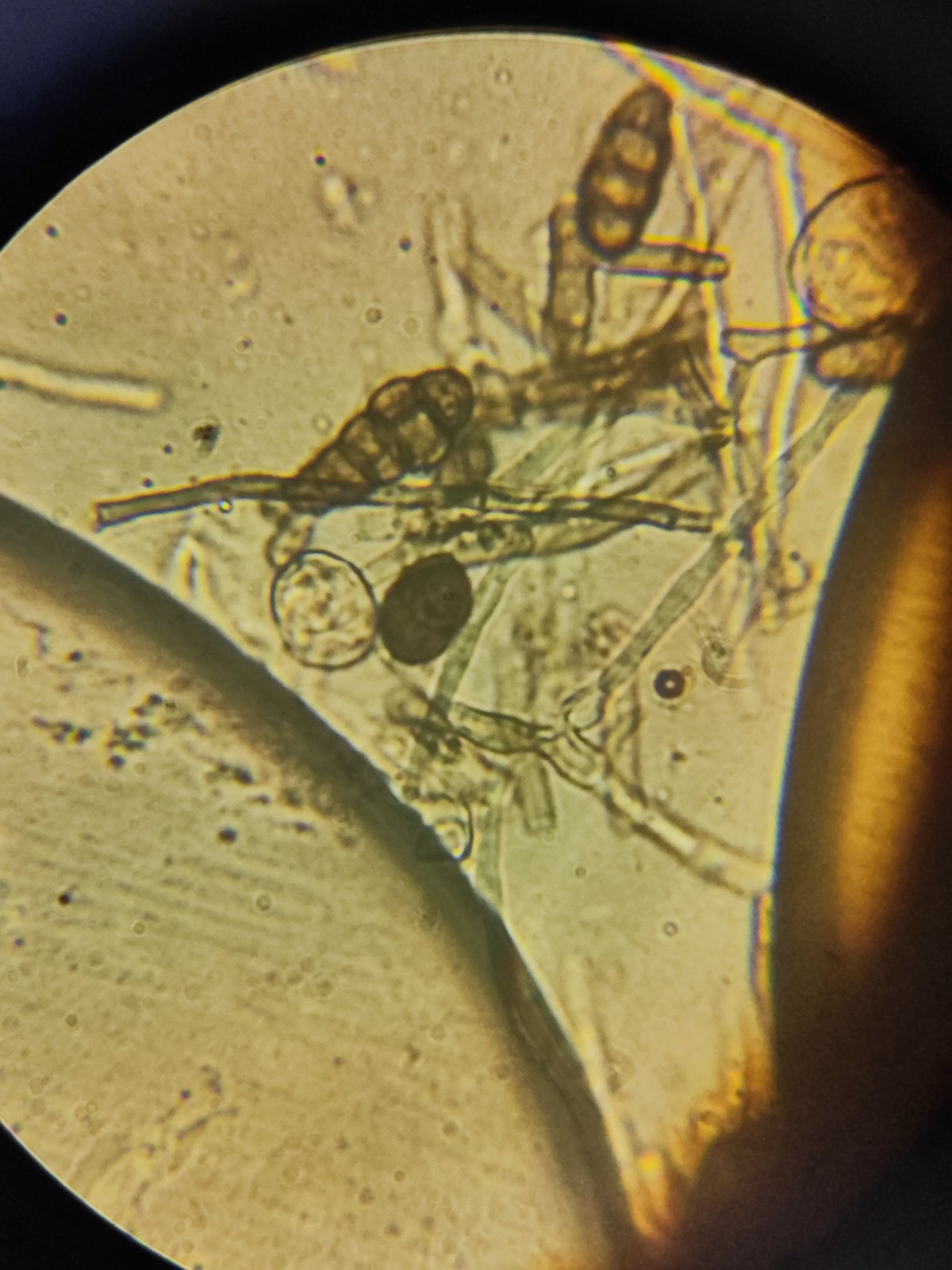

3. Botrytis spp.
Taxonomy: Ascomycota → Leotiomycetes → Helotiales → Sclerotiniaceae.
The most renowned representative is Botrytis cinerea, the causative agent of gray mold (gray rot). It infects vegetable, berry, and ornamental crops, particularly under conditions of high humidity. The collection provides access to cultures demonstrating the typical conidial stage and sclerotia formation, which is vital for studying the pathogen's life cycle.
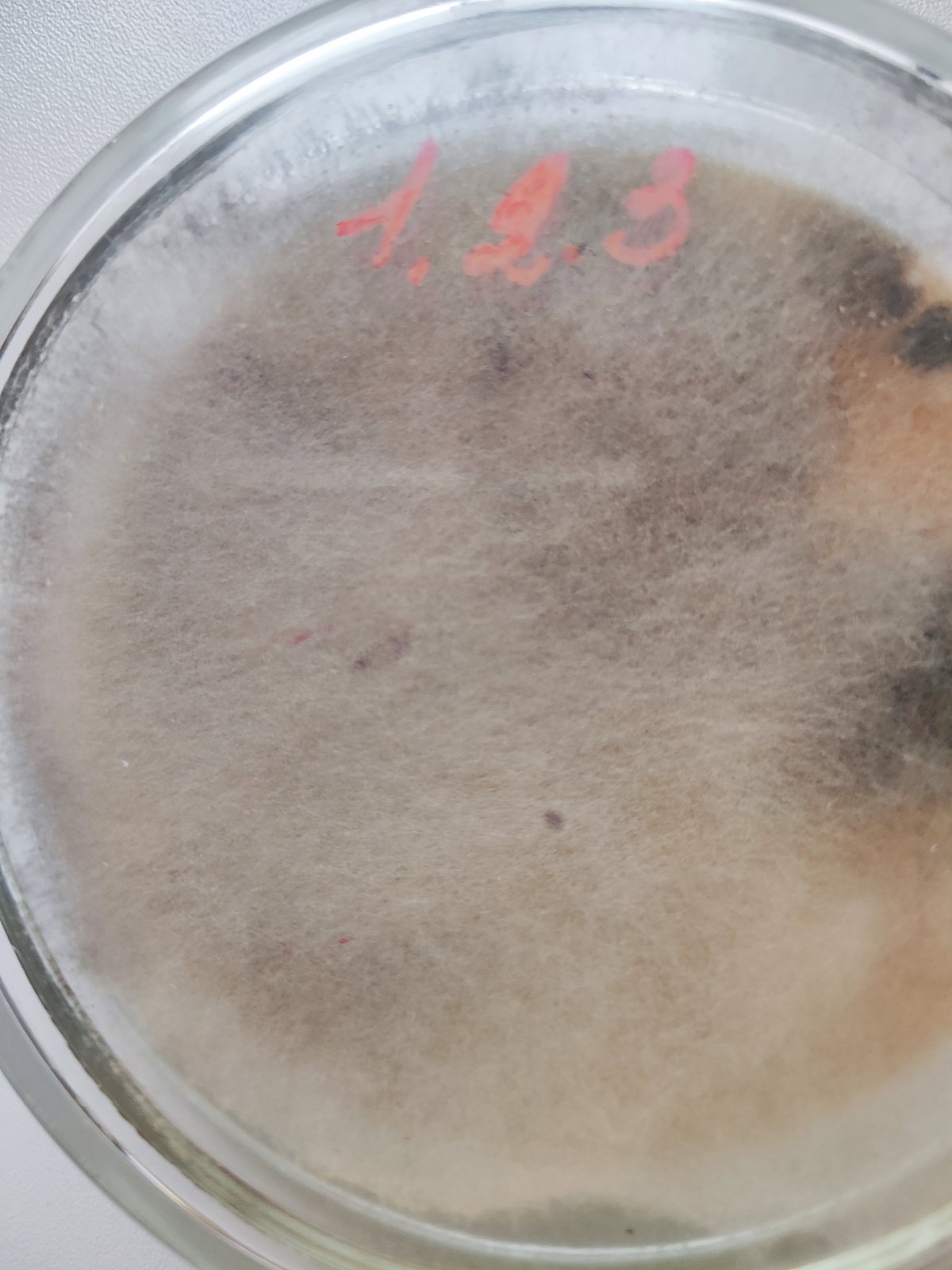

4. Sclerotinia spp.
Taxonomy: Ascomycota → Leotiomycetes → Helotiales → Sclerotiniaceae.
The collection includes isolates of Sclerotinia sclerotiorum, the causative agent of white mold (Sclerotinia rot) of rapeseed, sunflower, soybean, and vegetables. These species are capable of forming large black sclerotia and apothecia, making them excellent objects for demonstrating the ascal (teleomorph) stage.
5. Aspergillus spp.
Taxonomy: Ascomycota → Eurotiomycetes → Eurotiales → Aspergillaceae.
The collection includes cultures from groups of aflatoxigenic species (A. flavus, A. parasiticus), which cause the moldiness of seeds, nuts, and feed. These species are important in both phytopathology and mycotoxicology.

6. Penicillium spp.
Taxonomy: Ascomycota → Eurotiomycetes → Eurotiales → Aspergillaceae.
The collection includes species that cause "green" and "blue" molds of fruits, as well as moldiness of grains and feed (P. cyclopium, P. patulum). Certain species are antibiotic producers and form mycotoxins (ochratoxin, patulin).

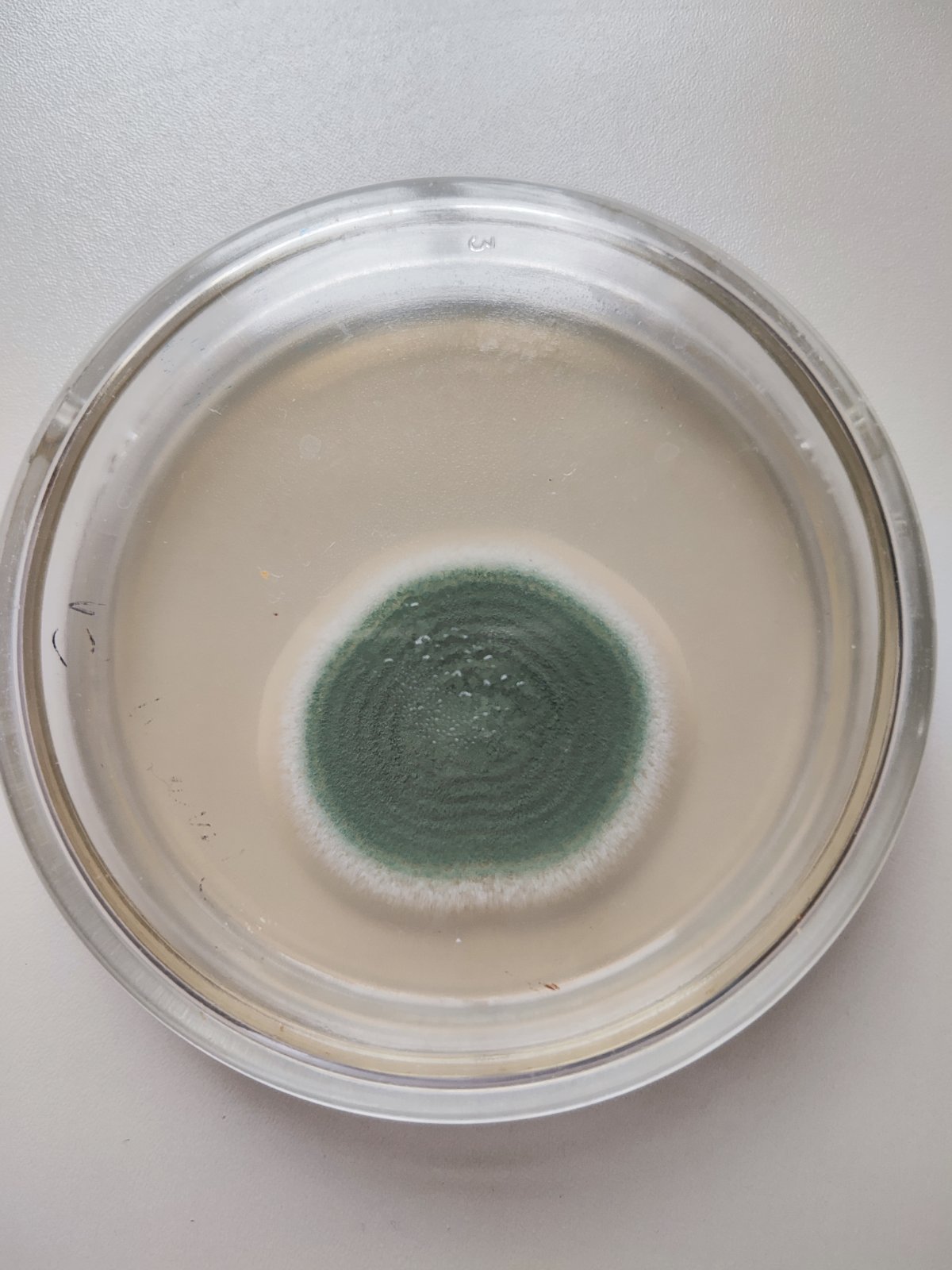


The collection is used to support laboratory classes in the courses General Mycology (Laboratory Works No. 1–4, 8–26) and General Phytopathology (Laboratory Works No. 1, 8, 12–21, 27), as well as General Phytopathology Educational Practice (Topic No. 3). The educational objects include:
1. Models for Studying Morphology:
-
Aspergillus spp. — demonstration of conidial sporulation;
-
Penicillium spp. — structure of conidiophores;
-
Rhizopus, Mucor spp. — sporangial sporulation;
-
Alternaria spp. — structure of conidiophores.
2. Objects for Phytopathogen Isolation and Identification Techniques:
-
Fusarium spp. — structure of macro- and microconidia;
-
Alternaria spp. — dark multicellular conidia;
-
Botrytis spp. — sclerotia and conidial sporulation;
-
Sclerotinia spp. — sclerotia, conidial sporulation, and apothecia formation.
3. Fungi as Biocontrol Agents:
-
Trichoderma spp. — antagonistic activity against Fusarium, Sclerotinia, and Rhizoctonia.
These cultures are used to study the antagonistic activity of micromycetes.


Scientific and Methodological Value of the Collection
The collection of micromycetes is utilized for:
-
Studying the morphological, cultural, and taxonomic characteristics of fungi;
-
Developing methods for isolating phytopathogens from plant tissues and soil;
-
Investigating the pathogenicity and toxin-producing capacity of fungi;
-
Completing undergraduate course projects and Master's theses;
-
Developing methods for the biological control of plant diseases.
The phytopathogenic microscopic fungi represented in the collection serve as critical objects for both fundamental mycological research and applied phytopathological tasks. They cause significant crop yield losses, degrade product quality, impact the ecological balance of agroecosystems, and produce hazardous mycotoxins.

