
Intelligent automation and robotic systems: a new stage of international cooperation between NUBiP of Ukraine and Krakow Agricultural University
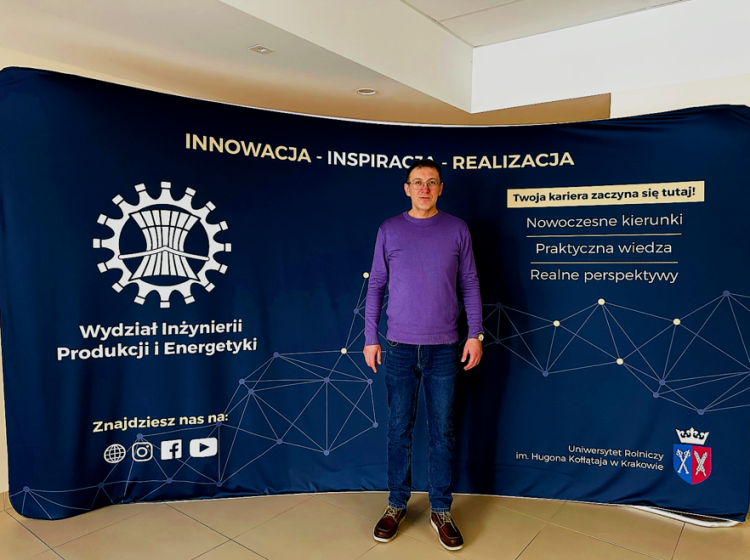
Lecturers of the akad. Martynenko department of automation and robotic systems I. I. continue to establish scientific cooperation with Polish universities. This year, associate professor Mykola KIKTEV has wun a grant from the Visegrad foundation for a six-week international research internship at the Krakow Agricultural University (Uniwersytet Rolniczy im. Hugona Kollotaja w Krakowie, URK).
The internship takes place at the faculty of industrial and energy engineering.

Case study: «Application of UAVs and robotic platforms for crop monitoring and yield assessment using computer vision systems».
At the meeting of the department of machine operation, ergonomics and production processes, Mykola Oleksandrovych reported on the topic, purpose and objectives of the study. The head of the internship from URK is the head of this department Pawel KIELBASA, doctor of engineering.

Polish colleagues expressed interest in joint research and participation in projects, including the use of computer vision systems for robotic systems in harvesting cucumbers, strawberries and other crops, as well as the use of such systems in animal husbandry to monitor the behavior of farm animals. There are also prospects for participation in scientific projects on the introduction of biomedical devices for the diagnosis and treatment of animal diseases.


During the internship Mykola KIKTEV took part in the 23rd scientific and technical conference «Innovations in agricultural engineering» and the seminar «Application of artificial intelligence and ChatGPT in scientific research».
Cooperation with Polish colleagues and joint participation in conferences has laid a solid foundation for a long-term transfer of knowledge. Successful experience of Mykola KIKTEV is creating prerequisites for regular updating of the content of disciplines of Educational and Scientific Institute of energy, automation and energy saving, ensuring that the training of NUBiP students and postgraduates is based on the world's most relevant achievements in robotics. Further publications and discussions about future internships for other lecturers will only strengthen this momentum of digital transformation of our educational program.