
AGROPATH Workshop: Shaping the Competencies of the Geomatics and Precision Agriculture Specialist of the Future
Satellite data, GNSS, drones, artificial intelligence, and robotic systems are rapidly transforming geomatics and precision agriculture. As these technologies evolve, so does the professional profile of the specialist. Today, it is no longer enough to master a particular instrument or software package; professionals must be able to integrate diverse data and technologies to make informed decisions.
What competencies should graduates possess to thrive in this new reality? This question was at the heart of the international online workshop «Modern Obligatory Skills and Knowledge in Geomatics and Precision Agriculture,» held on October 22, 2026, at the National University of Life and Environmental Sciences of Ukraine (NUBiP) as part of the Erasmus+ AGROPATH project.
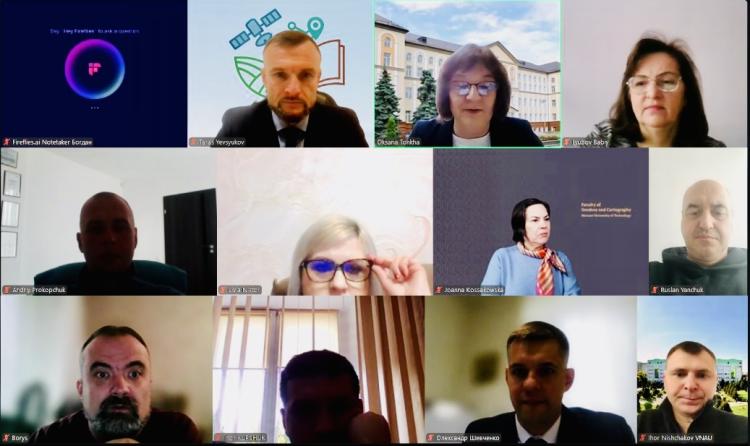
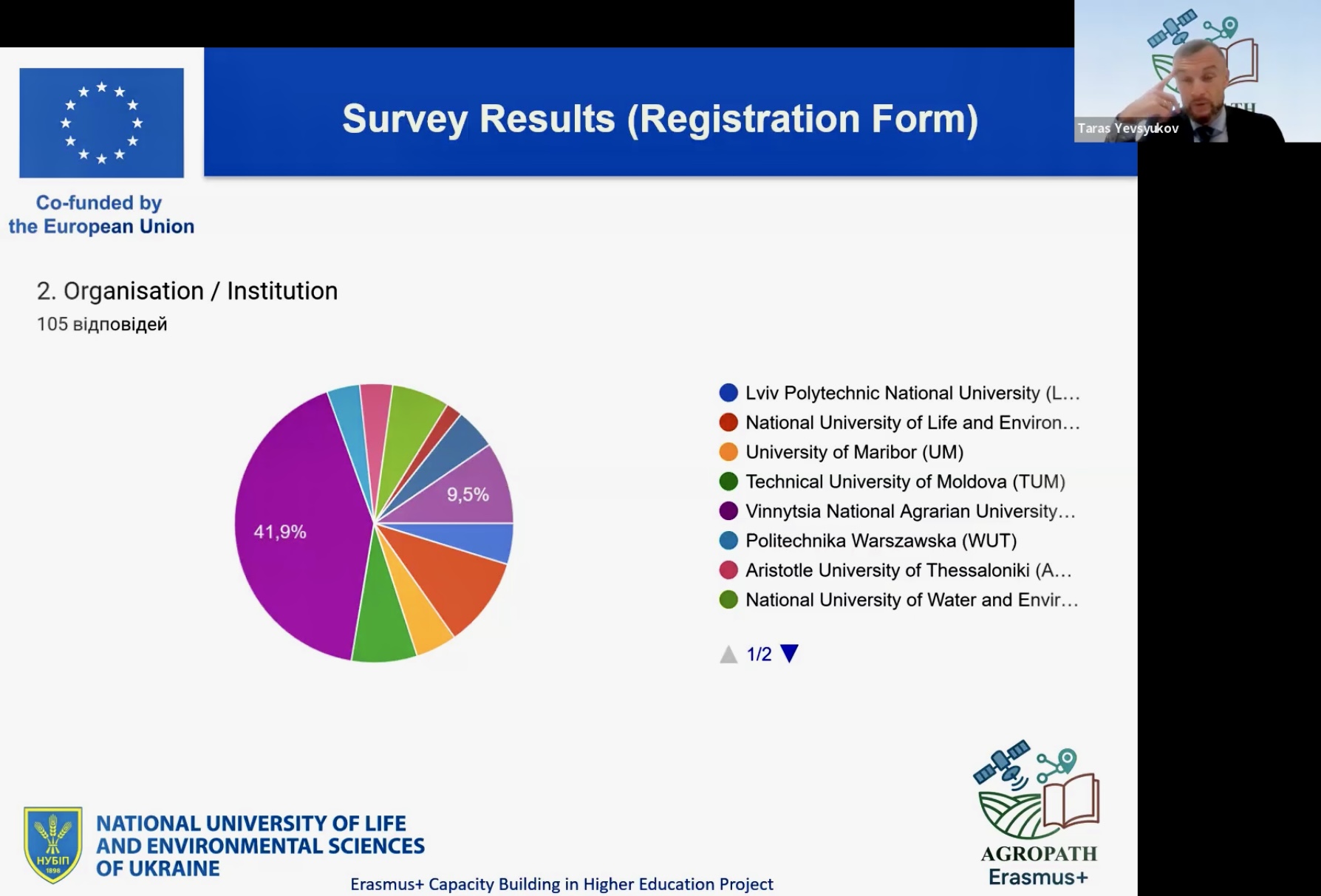
The event was organized by NUBiP. A total of 105 participants registered for the workshop, while more than 80 representatives of universities and partner organizations from the AGROPATH consortium — including researchers, academic staff, and experts — joined the online session. A recording of the event is available on YouTube (https://www.youtube.com/watch?v=Ksg5npGVBJU).

For the AGROPATH project, this was more than another international meeting. The workshop was built around a practical question: what knowledge, practical skills, and digital competencies should become essential learning outcomes for graduates working at the intersection of geomatics and precision agriculture?
Professional practice increasingly transcends the boundaries of traditional disciplines. Land surveyors work with GIS and satellite data; remote sensing specialists use AI and machine learning; agronomists rely on spatial analysis and GNSS data; and modern precision agriculture integrates these technologies into a unified digital environment. University education, therefore, must move beyond the accumulation of knowledge towards developing integrated competencies that can be applied in real-world professional situations.
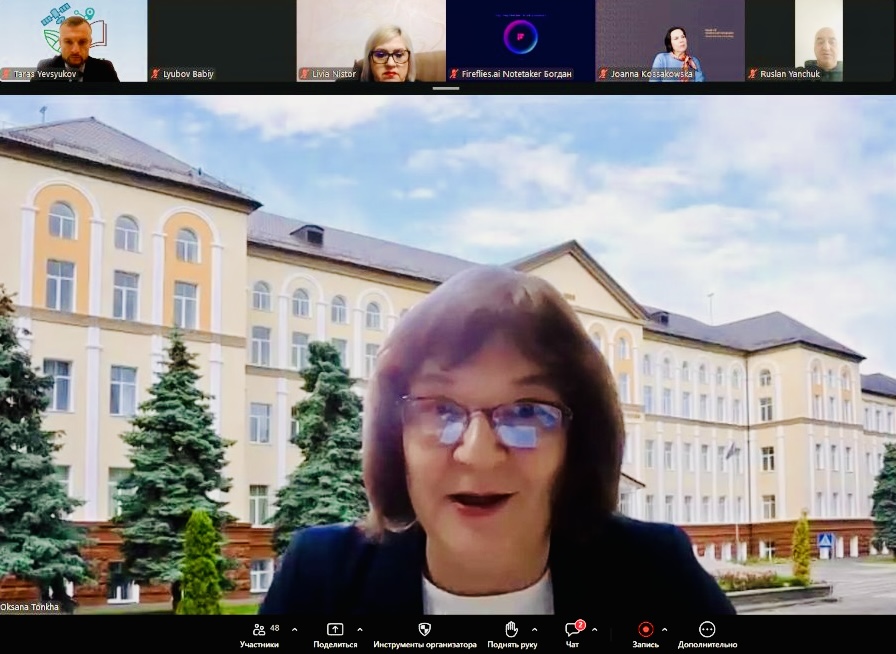
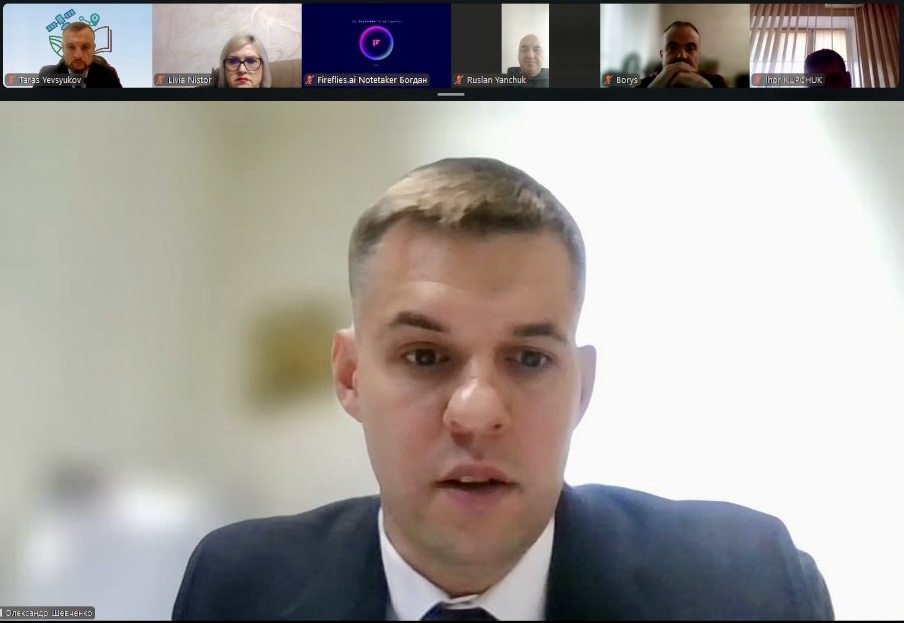
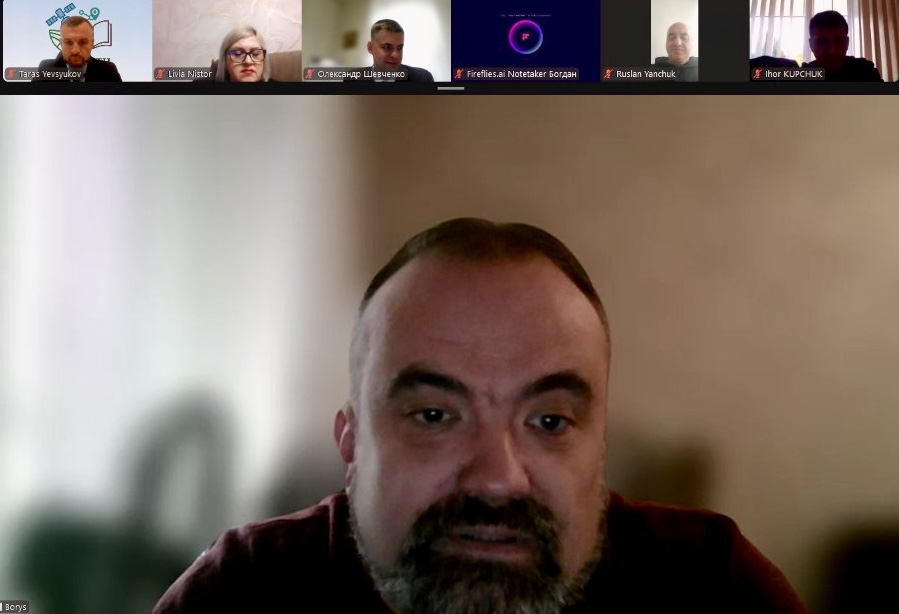
The workshop opened with welcoming remarks by Oksana TONKHA, Vice-Rector for Research and Innovation at NUBiP of Ukraine; Oleksandr SHEVCHENKO, Dean of the Faculty of Land Management at NUBiP; and Borys CHETVERIKOV, AGROPATH Project Coordinator and Head of the Department of Geospatial Technologies in Natural Resource Management at Lviv Polytechnic National University.
The workshop was moderated by Taras IEVSIUKOV, Head of the Department of Geodesy and Cartography at NUBiP of Ukraine and the university’s AGROPATH coordinator.
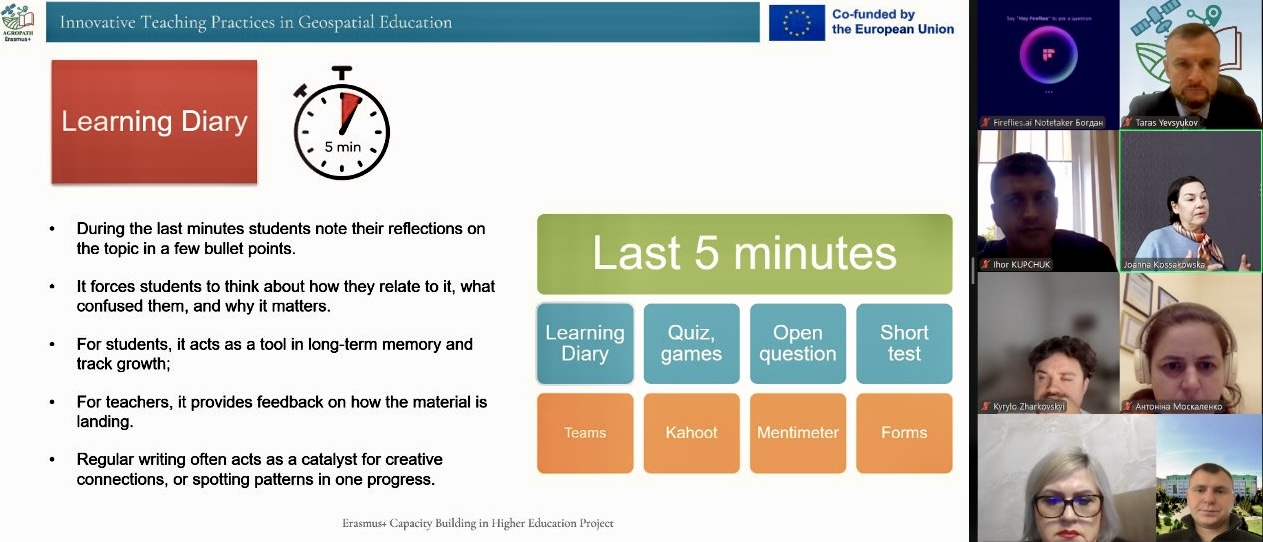
The programme demonstrated the broad range of technologies and educational challenges shaping modern geomatics and precision agriculture. Professor Assistant Joanna PLUTO-KOSSAKOWSKA presented the experience of Warsaw University of Technology in applying innovative approaches to teaching geospatial disciplines.
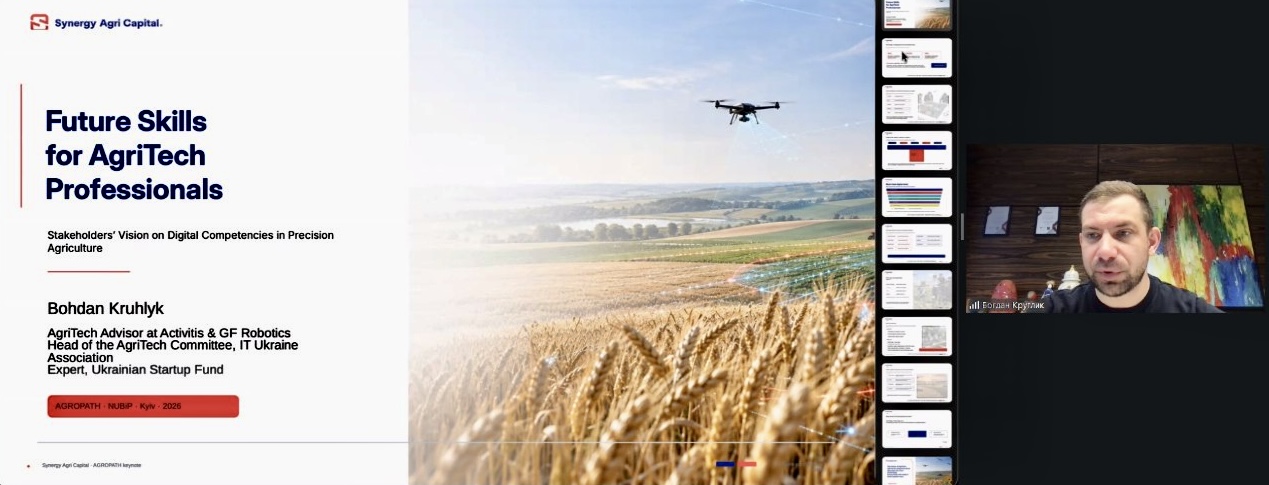
Bohdan KRUHLYK, Strategic AgriTech Advisor, focused on the needs of the professional sector and presented stakeholders’ perspectives on the digital competencies expected of future precision agriculture specialists.
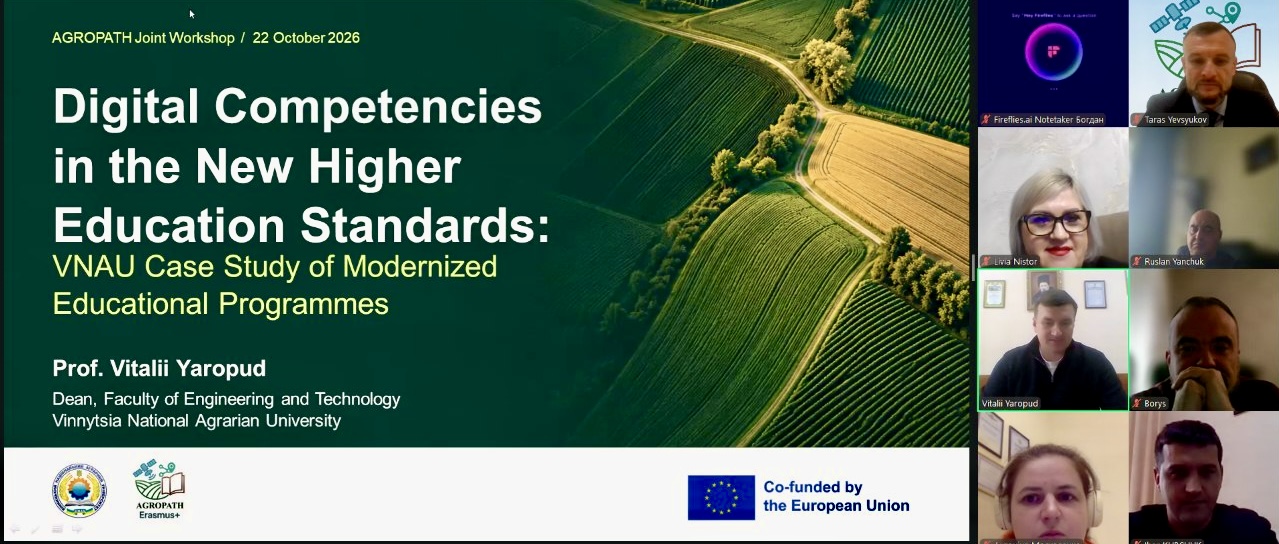
Vitalii YAROPUD, Dean of the Faculty of Engineering and Technology at Vinnytsia National Agrarian University, discussed the modernization of educational programmes and the integration of digital competencies into new higher education standards.
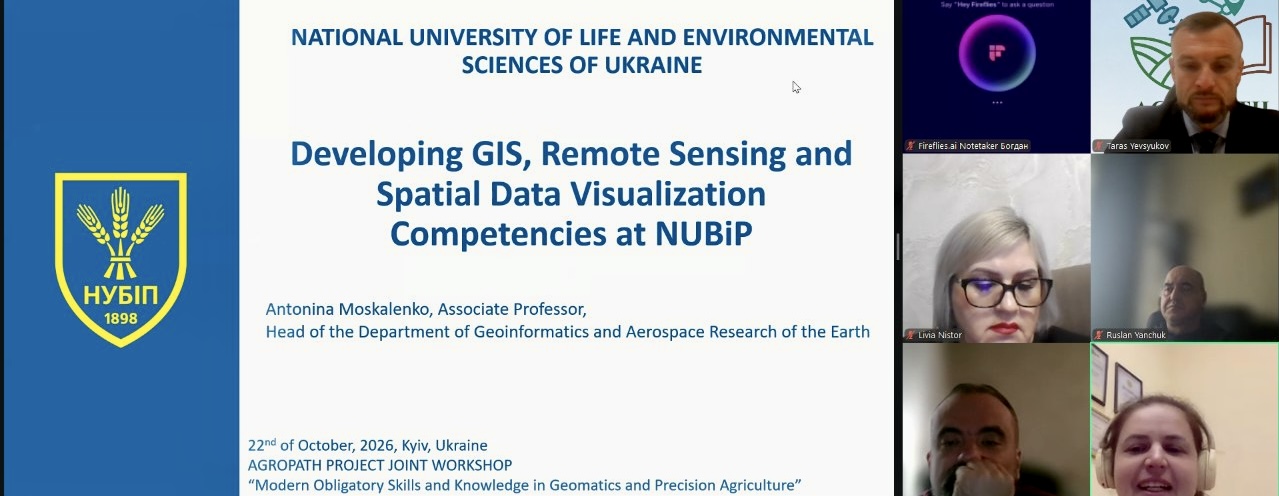
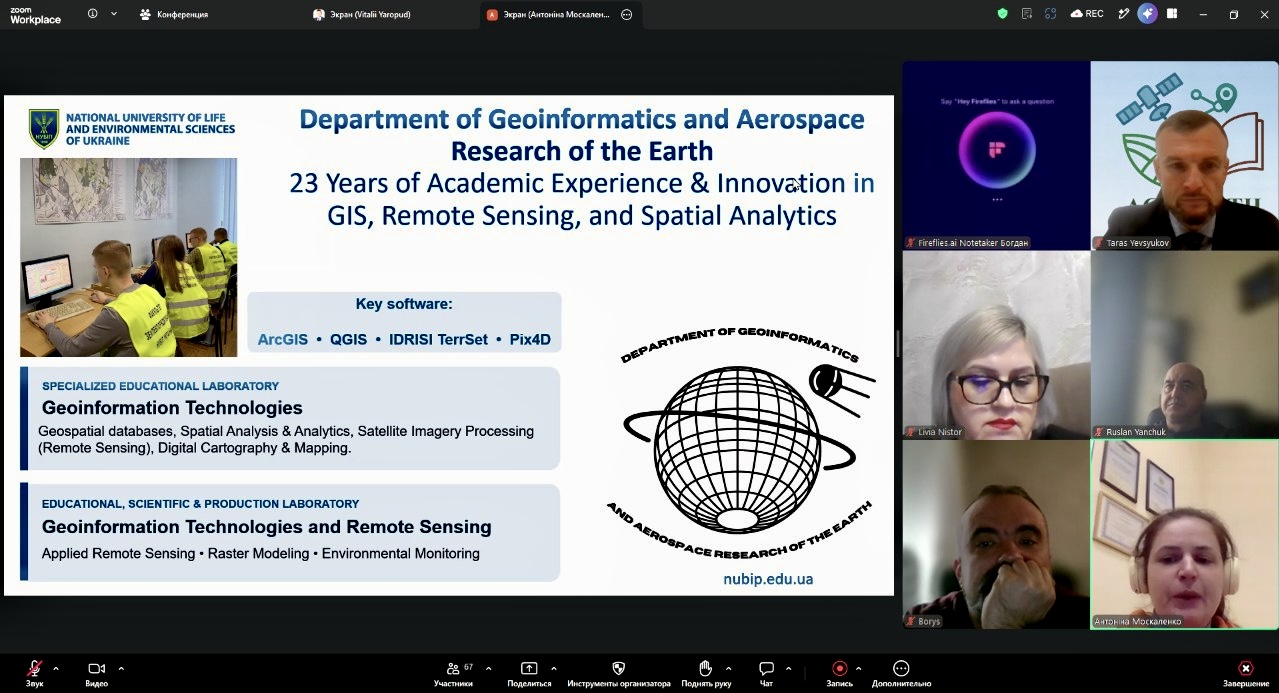
Antonina MOSKALENKO, Head of the Department of Geoinformatics and Aerospace Earth Research at NUBiP, shared the university’s experience in developing competencies in GIS, remote sensing, and spatial data visualization.
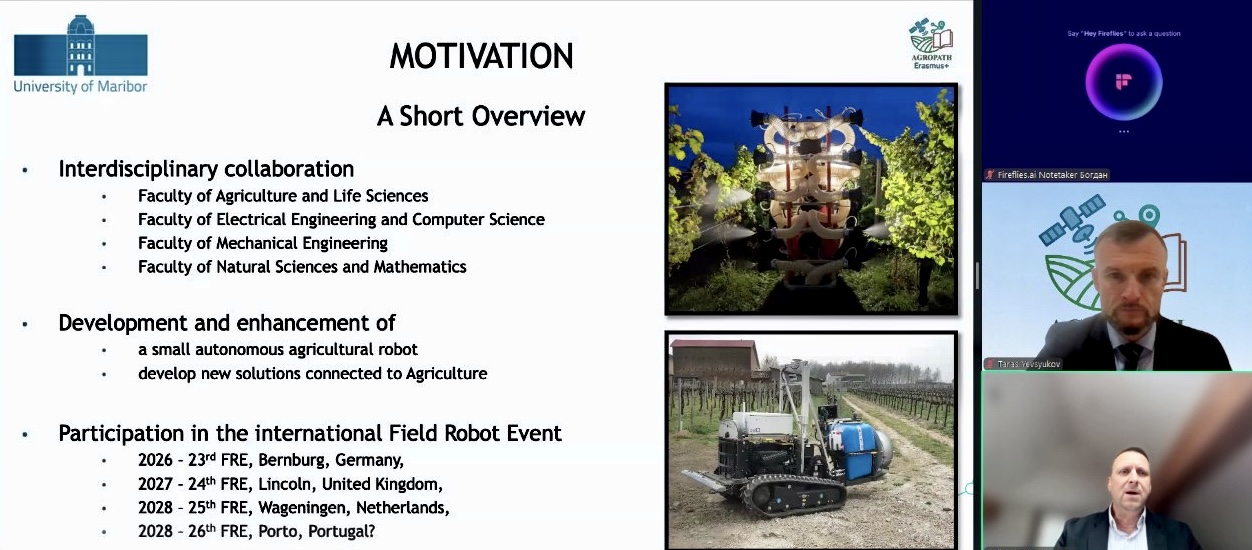
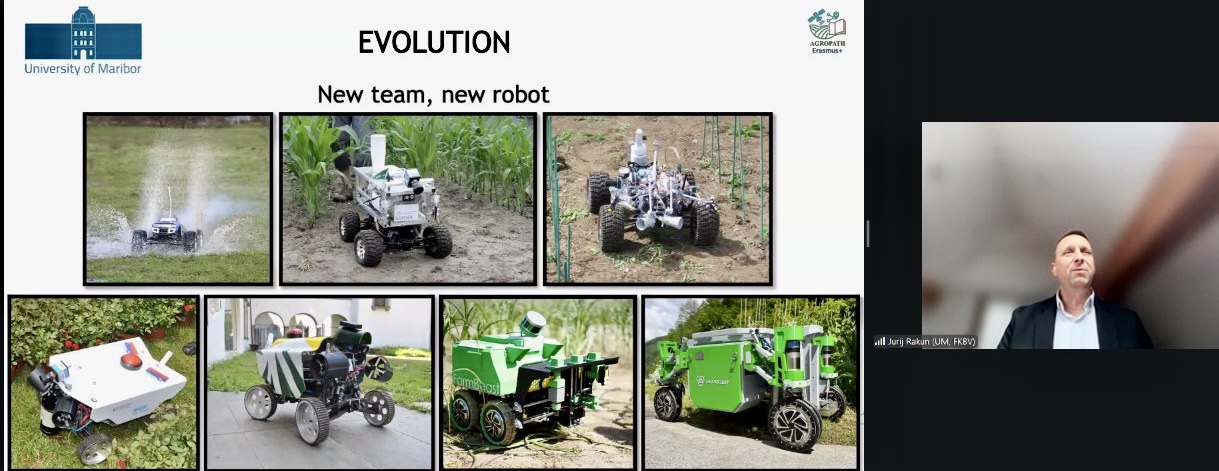
A dedicated session focused on technologies that, until recently, seemed to belong to the future but are now becoming part of everyday professional practice. Professor Assistant Jurij RAKUN from the University of Maribor presented the educational challenges and opportunities associated with robotics and autonomous systems in precision agriculture.
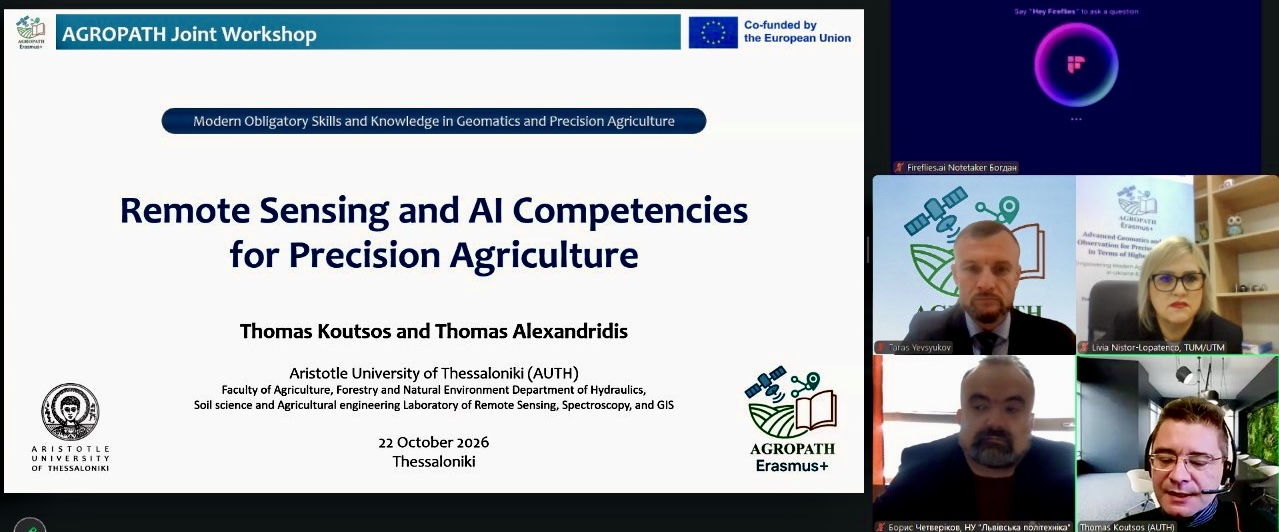
Professors Thomas ALEXANDRIDIS and Thomas KOUTSOS from the Aristotle University of Thessaloniki focused on the development of competencies in remote sensing and artificial intelligence for precision agriculture.
However, the central part of the workshop began when the presentations gave way to collaborative work.
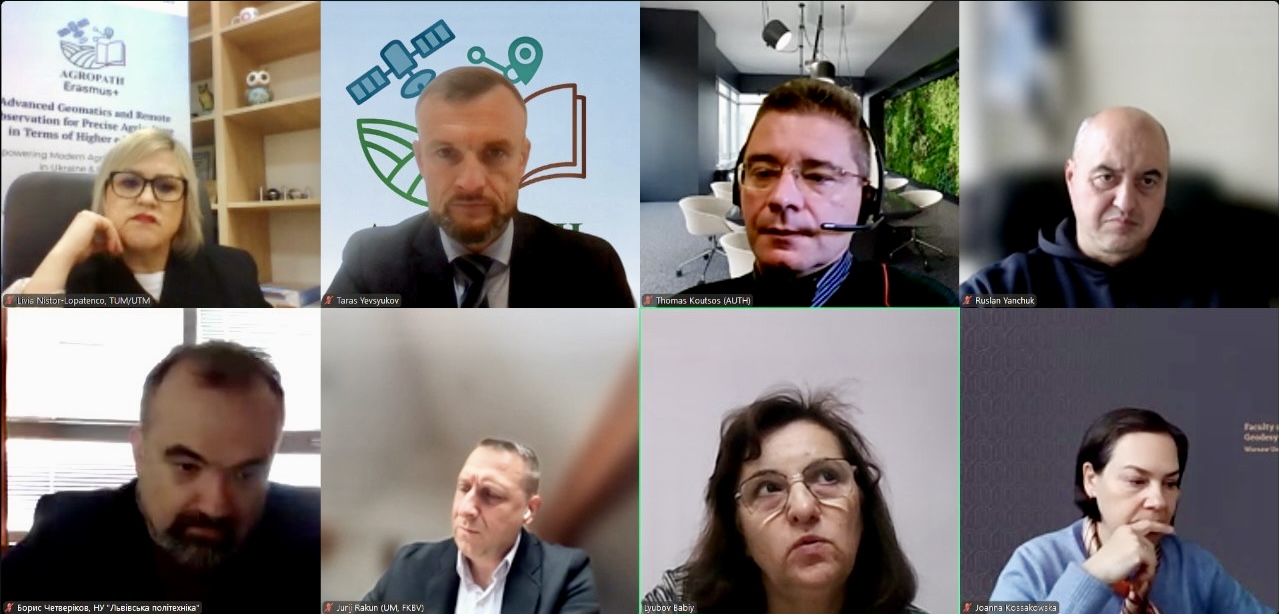
During the interactive session «What are the Top 10 Essential Competencies for a Geomatics Graduate by 2030?», participants went beyond exchanging views and worked towards identifying a shared set of competencies that could serve as a common reference point for educational programmes at AGROPATH partner universities.
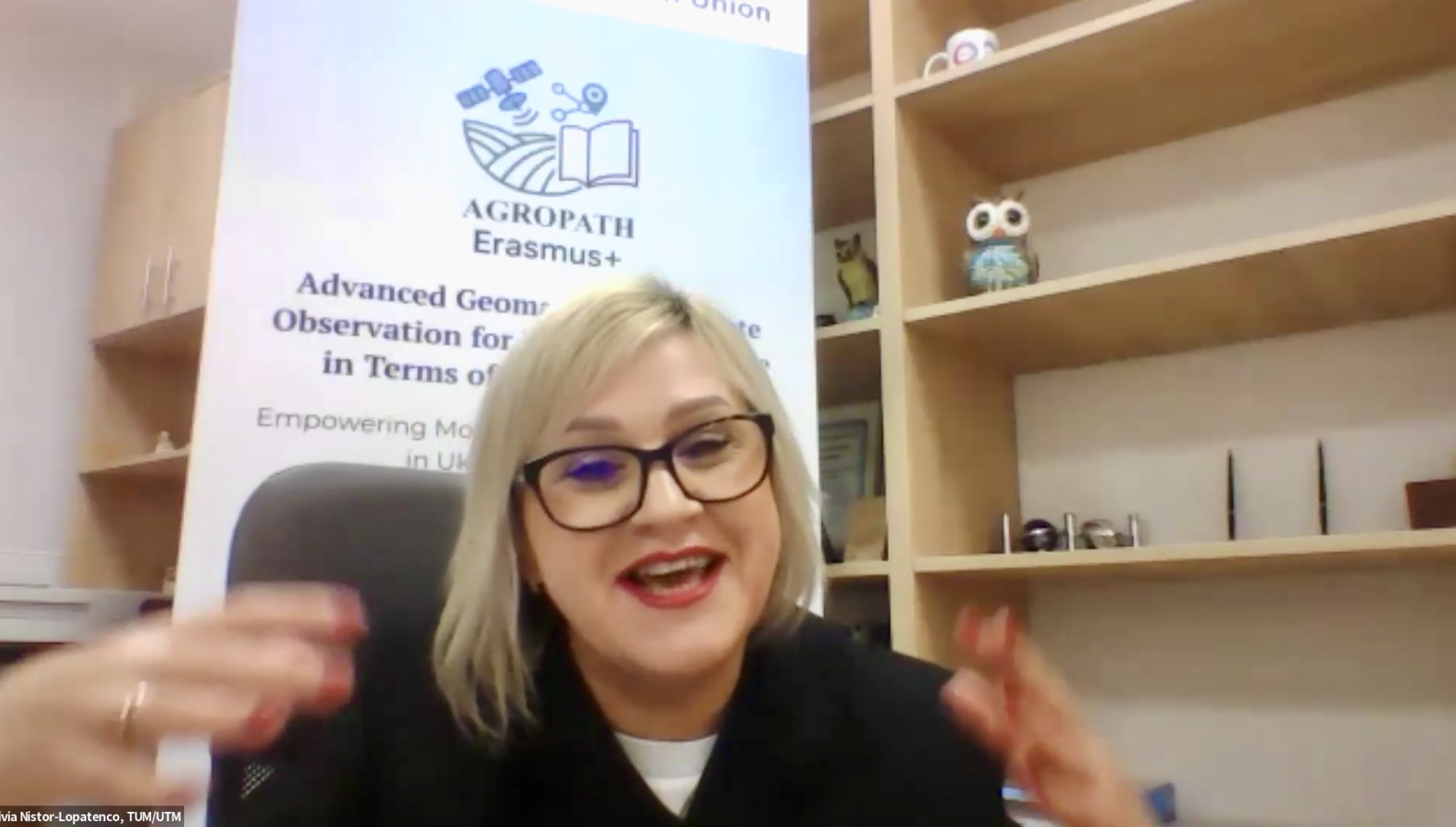
Partners including Liubov BABII, Livia NISTOR-LOPATENKO, Joanna PLUTO-KOSSAKOWSKA, Jurij RAKUN, Borys CHETVERIKOV, and others actively contributed to the discussion. The focus was not simply on which technologies students should know, but on what they should be able to do with those technologies by the time they graduate.
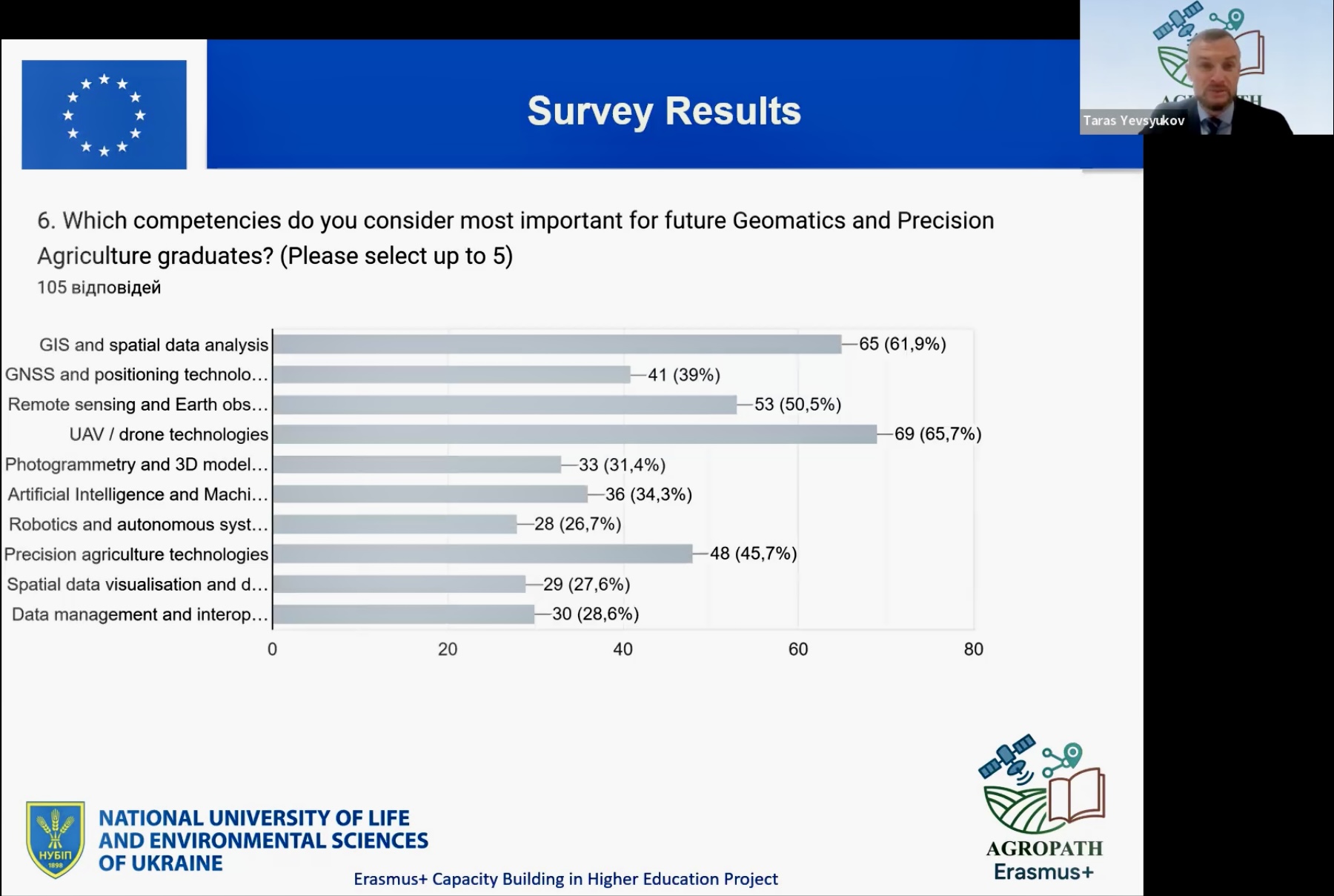
How should geospatial data be collected, processed, and interpreted? How should GNSS observations be planned and carried out? How can UAV data be acquired and processed effectively? How should remote sensing results be interpreted? How can GIS and AI support professional decision-making? How can robotic and autonomous systems be used in agricultural applications? And, ultimately, how can large volumes of digital data be transformed into solutions of practical value for agriculture and land resource management?

The discussion was followed by an exchange of experience on innovative teaching and assessment approaches. AGROPATH partners considered the potential of problem-based learning, challenge-based learning, digital laboratories, hands-on field training, competency-based assessment, digital portfolios, and micro-credentials.
Importantly, the outcomes of the workshop will not remain limited to an online discussion. The proposals developed during the event will contribute to the preparation of the AGROPATH Competence Framework — a shared framework of essential competencies for the education and training of specialists in geomatics and precision agriculture.
The framework is expected to cover knowledge, practical skills, digital competencies, and professional competencies, providing a basis for further modernization and development of educational programmes at partner universities.
Thus, the value of the workshop lies not in the number of presentations or hours spent online, but in its potential to generate concrete educational change: updated curricula, innovative teaching methods, modern approaches to assessment, and a shared vision of what graduates in geomatics and precision agriculture should know and be able to do by 2030.
For NUBiP of Ukraine, participation in AGROPATH is an opportunity not only to engage in international educational dialogue but also to contribute to shaping its agenda by sharing the university’s experience in modernizing geomatics education and developing digital competencies.
At the same time, the international format of the workshop highlighted an important principle: modern education cannot develop in isolation. Technologies transcend institutional, national, and disciplinary boundaries. The competencies of the future must therefore be shaped through international cooperation, the exchange of experience, joint experimentation, and coordinated educational approaches.
Perhaps the most important outcome of the October 22 meeting was not that the partners found definitive answers to every question. Rather, they jointly identified the direction in which university education needs to move.
The specialist of the future is no longer simply someone who can conduct a survey or produce a map. They are a professional who can transform spatial data into knowledge, knowledge into decisions, and advanced technologies into tangible results.
This is the kind of future-oriented education that the AGROPATH partners are working together to build today.