
From NUBiP's audience to a university on the Bosphorus: how Erasmus+ opens new horizons for students of the faculty of land management
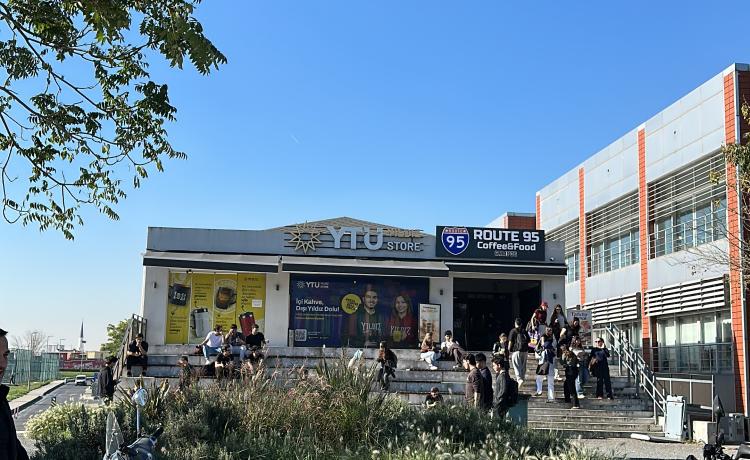
International academic mobility is an opportunity not only to gain new knowledge but also to see how university environments can function differently, uniting students, faculty, and representatives of various cultures.
Participating in the Erasmus+ program became an important stage of our student lives and an opportunity to go beyond our usual educational environment. As students of the National University of Life and Environmental Sciences of Ukraine, studying at the faculty of land management, majoring in «Geodesy and land management», we have got the opportunity to continue our studies at one of the universities in Turkey — Yıldız Technical University, located in Turkey's largest city, Istanbul. This experience opens up new prospects for professional development, introduces us to different approaches to organizing the educational process, and allows us to better understand the specifics of learning in an international academic environment.
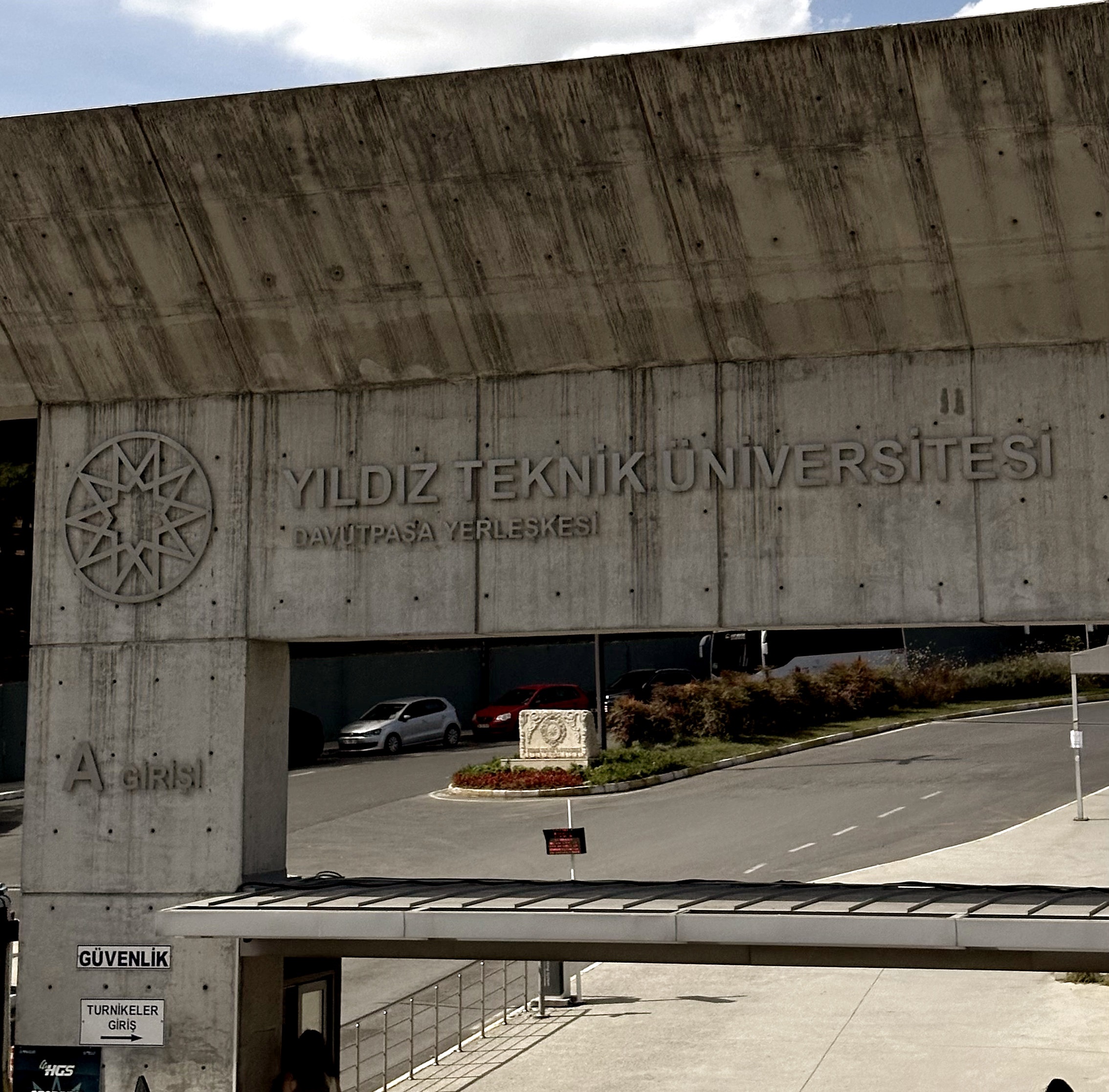
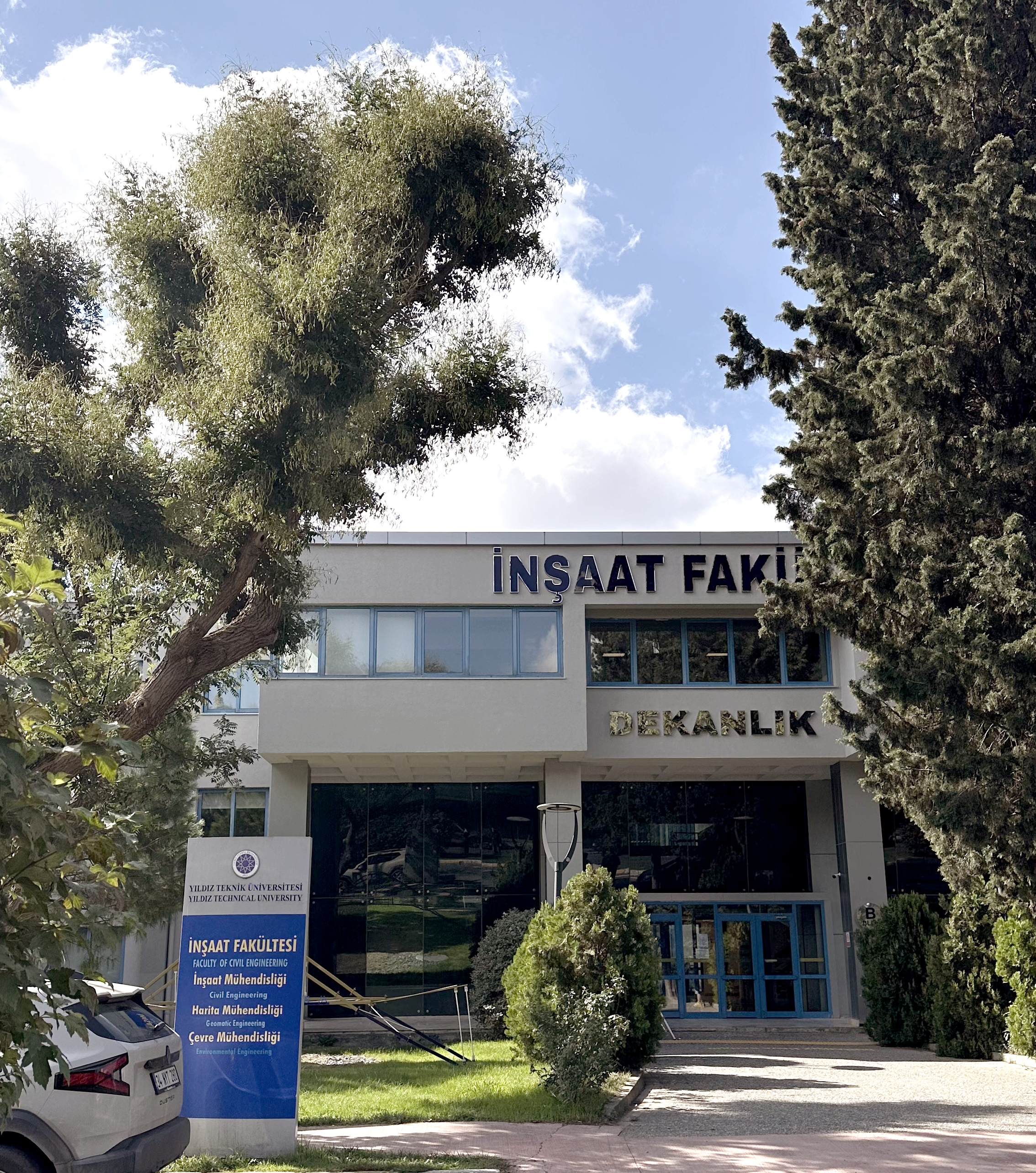
Preparing to participate in an exchange program became a separate important stage, as international mobility involves not only readiness to study in another country but also the need to independently resolve many practical issues. Document processing, curriculum approval, communication with coordinators, and resolving financial and organizational matters — all of this requires responsibility, attentiveness, and the ability to plan one's own actions.
At the same time, this kind of preparation fosters the development of skills that are important not only during studies but also in future professional activities. Participating in an international program teaches us to be more independent, open to new experiences, and ready to find solutions in unusual situations.
Arriving in Istanbul marked the beginning of a new experience, combining academic tasks, getting acquainted with another culture, and gradually adapting to life in an international environment. It is especially valuable to realize that studying abroad is not just a temporary change of location for education, but an opportunity to look at your own university experience from a different perspective.
Studying at Yıldız Technical University gives us the opportunity to get acquainted with the educational environment of a Turkish university and to see how interaction occurs between students, faculty, and administrative staff in the context of international academic mobility.
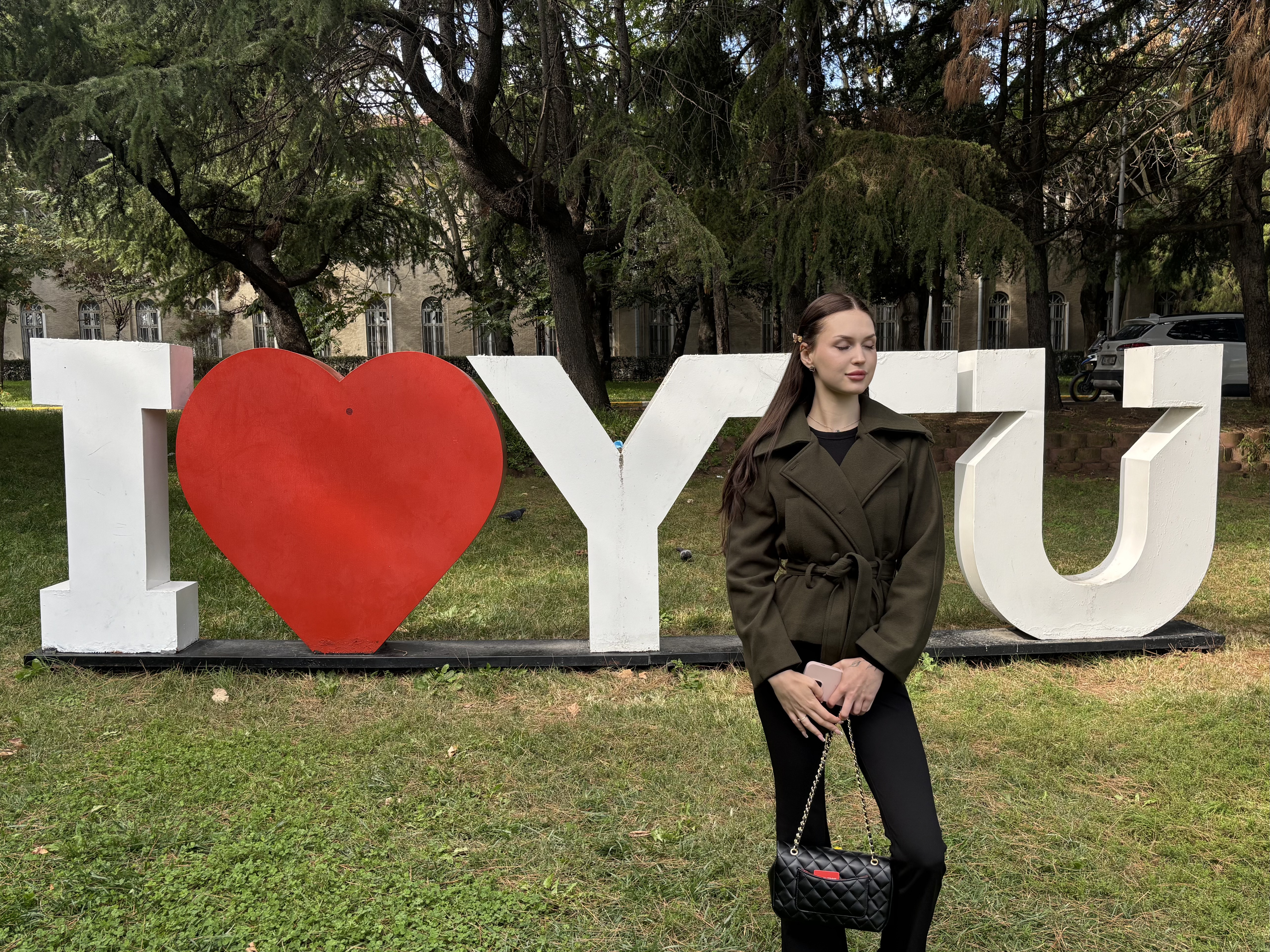
One of the most important aspects of such an experience for us is not only the content of the academic disciplines but also the overall atmosphere in which the educational process takes place. An important role is played by the attitude towards the student as a full member of the academic community, whose opinions, questions, and needs are carefully considered. During the adaptation to a new university, various organizational issues arose, as it involved a different country, new rules, and an unfamiliar communication system. In such situations, the value of a friendly attitude, the willingness to explain unclear points, and help find the right solution becomes particularly noticeable.
For students in the Erasmus+ exchange program, such support is particularly important. It allows for faster adaptation, focus on learning, and feeling like a part of the university community. It is important that assistance in such circumstances does not deprive students of independence, but, on the contrary, promotes its development, as it allows them to overcome difficulties more confidently and gain new experience.
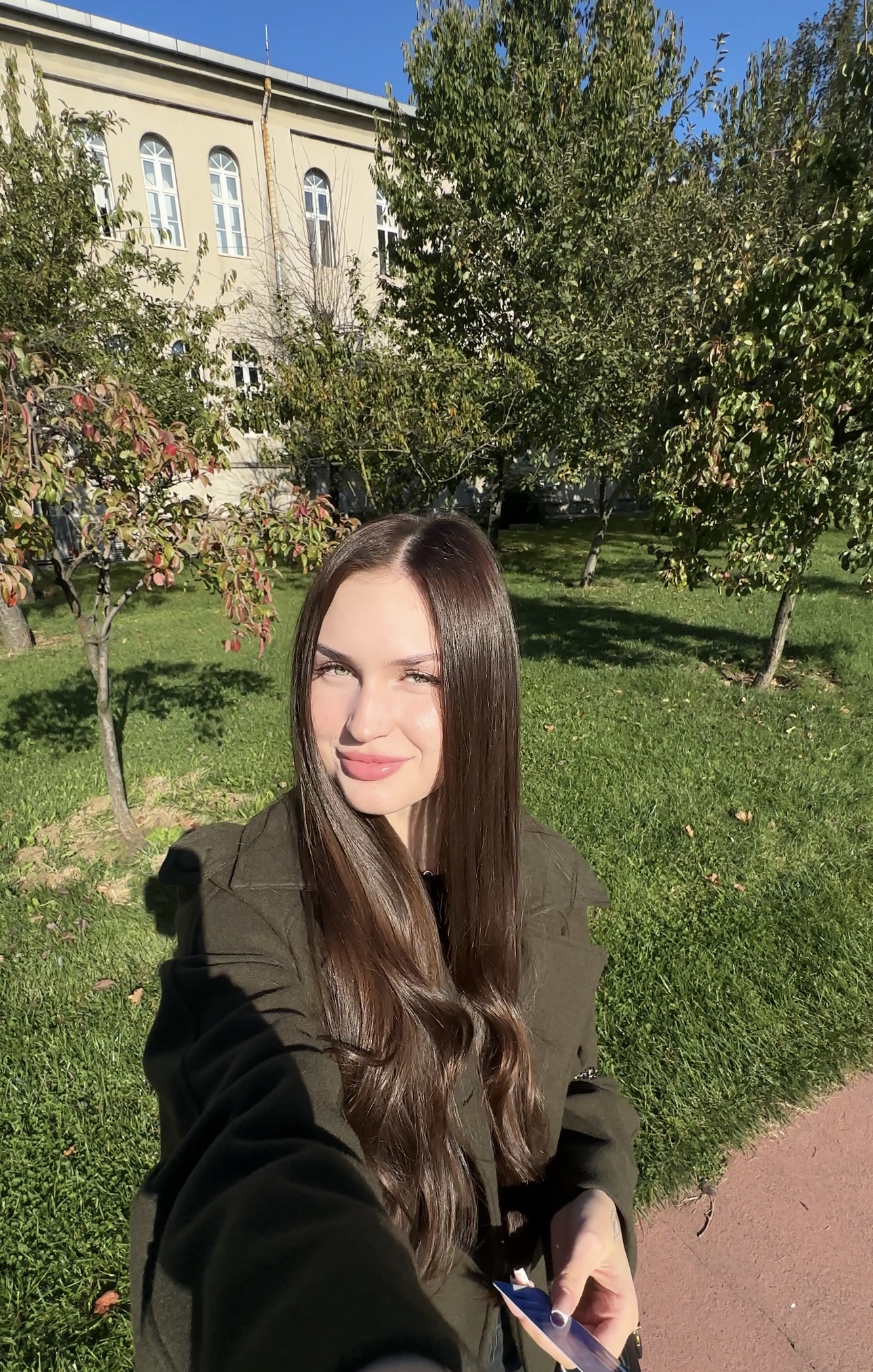
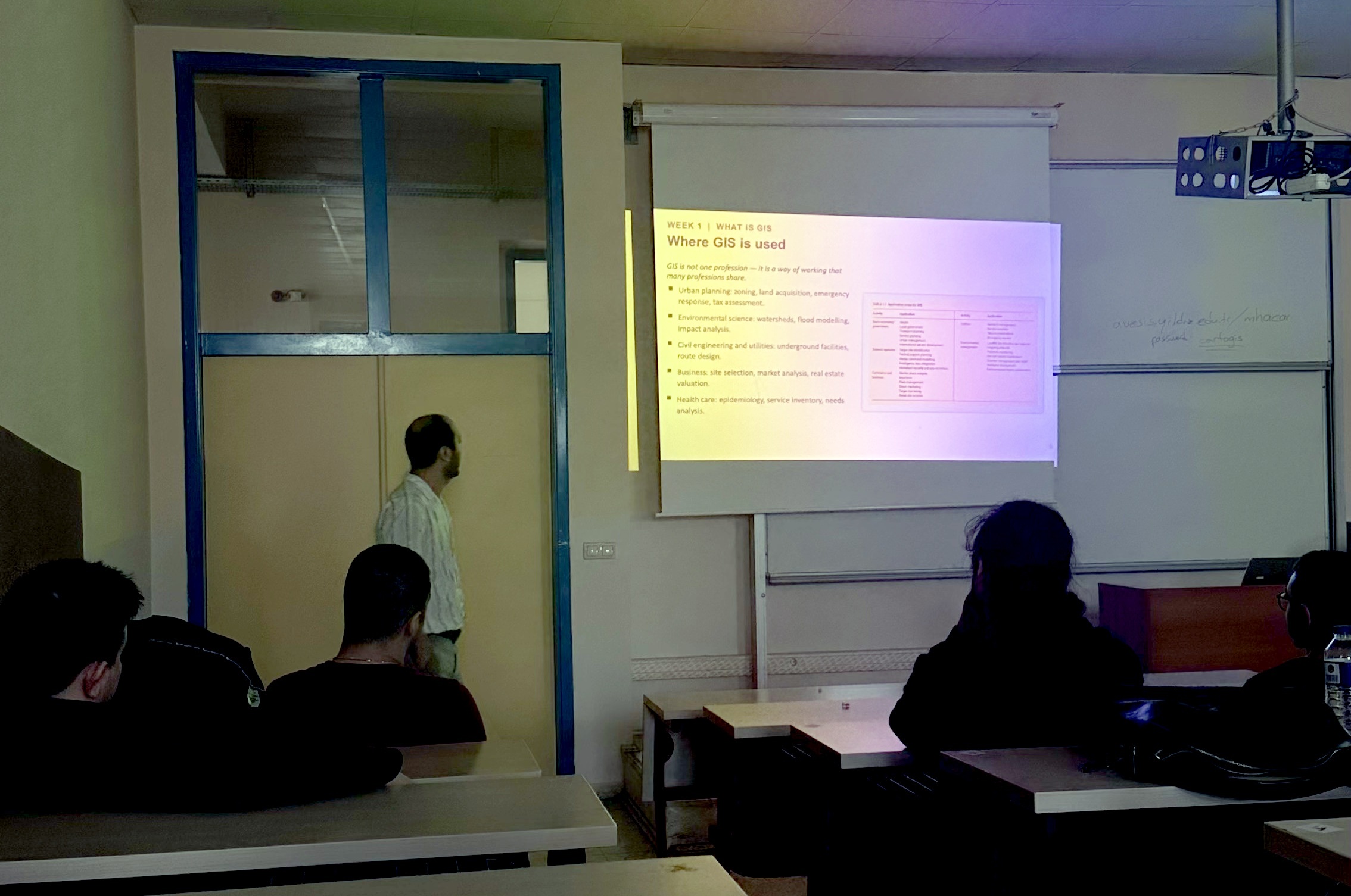
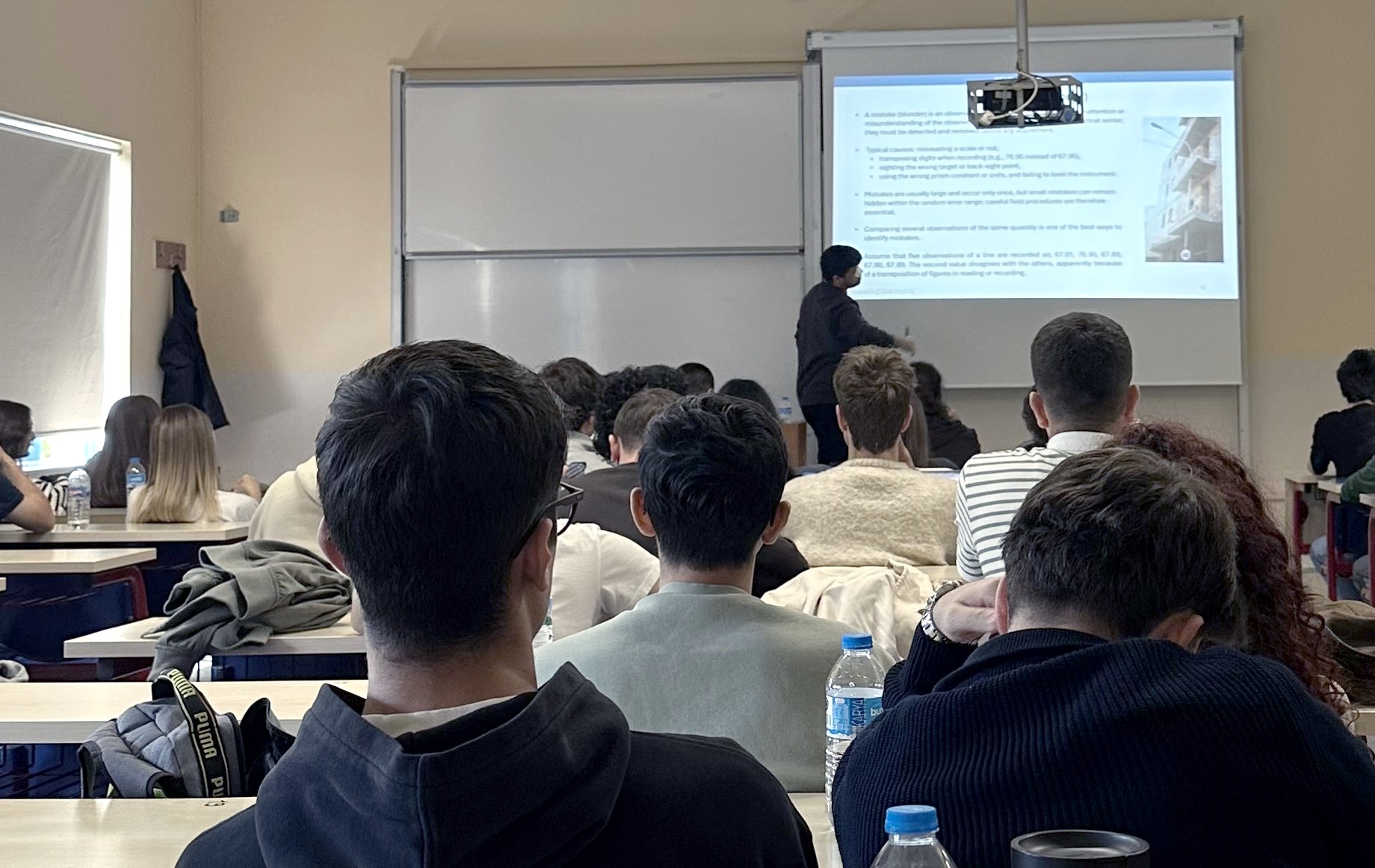
The university's educational infrastructure is also worth noting. The classrooms where our classes are held are modern and comfortable: they are equipped with projectors and the necessary tools for lectures, and the pleasant interior and proper condition of the premises create a conducive learning atmosphere. The university grounds also leave a positive impression: they are spacious, tidy, and well-equipped. The academic disciplines are taught in English, and the instructors explain the material clearly and consistently, which helps us follow the lectures and work with new information in an international academic environment. All of this creates a feeling that the educational space is designed not only from the perspective of technical equipment but also in terms of student comfort and learning effectiveness.
Studying in another country inevitably prompts comparisons of different educational approaches. Of course, each university has its own traditions, organizational features, and requirements for students. At the same time, international mobility helps to understand how important a factor in the quality of education is not only the curriculum but also the culture of interaction within the higher education institution.
In our new educational environment, we realized how important it is for instructors and university representatives to be ready to listen to an international student, to understand their circumstances, and to help them navigate the issues that arise during their studies. This prompts us to consider that university education is not limited to lectures, practical classes, assessments, and completing academic assignments. Equally important are humanity in interactions, communication accessibility, and the feeling that the student is not left alone with a problem that can be solved through constructive dialogue.
Studying at NUBiP of Ukraine gave us academic experience with which we can compare new impressions. And it is precisely through such a comparison that it becomes clear that a strong university environment is formed not only through high demands on students but also through a willingness to support them in the process of achieving results. Demanding high standards and humanity can perfectly complement each other, creating conditions in which a student strives to develop without fear of seeking help or asking questions.
This approach helps to develop responsible, independent, and self-confident professionals who can not only complete assigned tasks but also work in a team, engage in constructive dialogue, and find solutions in complex situations.
A distinct part of our experience was our stay in Istanbul, a city that blends European and Asian traditions, historical heritage, and a modern pace of life. Its peculiarity lies in the fact that getting acquainted with the city itself becomes a kind of educational process.
Living in another country allows for a better understanding of cultural differences, daily habits, and communication styles of people. Even ordinary everyday situations help develop flexibility of thought, patience, and the ability to adapt to new conditions.
Istanbul also demonstrates how history and modernity can coexist in the same space. The city has a unique geographical location, as it is situated on two continents and connects different cultural and economic spaces. For students interested in territorial development, urban infrastructure, and spatial organization, such an environment is particularly interesting in terms of observation opportunities. Staying here helps to better realize that professional knowledge does not exist separately from the real world. They take on new meaning when the opportunity arises to observe the functioning of a large city, its transportation system, the organization of urban space, and the interaction of different territories.
The intercultural aspect is no less important. Communicating with people from diverse life experiences allows us to overcome stereotypes, better understand different perspectives, and realize that cultural differences can be a source of mutual enrichment, rather than an obstacle to cooperation.
We are convinced that the value of such mobility lies not only in acquiring new knowledge and achieving academic results. Equally important is the experience that remains with the student after completing the program: new ways of thinking, understanding one's own capabilities, and the ability to evaluate familiar things from a different perspective.
For us, staying at Yıldız Technical University is an opportunity to combine studies, getting acquainted with another culture, and personal development. It is especially valuable to understand that a high-quality educational environment is formed through a combination of professionalism, mutual respect, openness to dialogue, and a willingness to help students overcome difficulties.
At the same time, this experience does not devalue the education obtained in Ukraine, nor does it mean that we should abandon our home university. On the contrary, it allows for a better understanding of the strengths of different educational systems and the identification of practices worth developing and implementing. After all, international exchange is valuable not only for the individual student but also for universities, which, thanks to such programs, gain the opportunity to adopt experience, improve teaching approaches, and strengthen international cooperation.
Many new experiences, learning tasks, and discoveries still lie ahead. However, it can already be said that Erasmus+ is much more than studying in another country. This is an experience that helps to better understand the world, one's own capabilities, and what a university should be, one that not only teaches but also creates conditions for the development of its students.
We are grateful for the opportunity to participate in this program and represent NUBiP of Ukraine in the international academic community. We hope that the experience gained would become an important foundation for our further professional development, and will also help us share new ideas and observations with other students who are just planning to join international academic mobility.