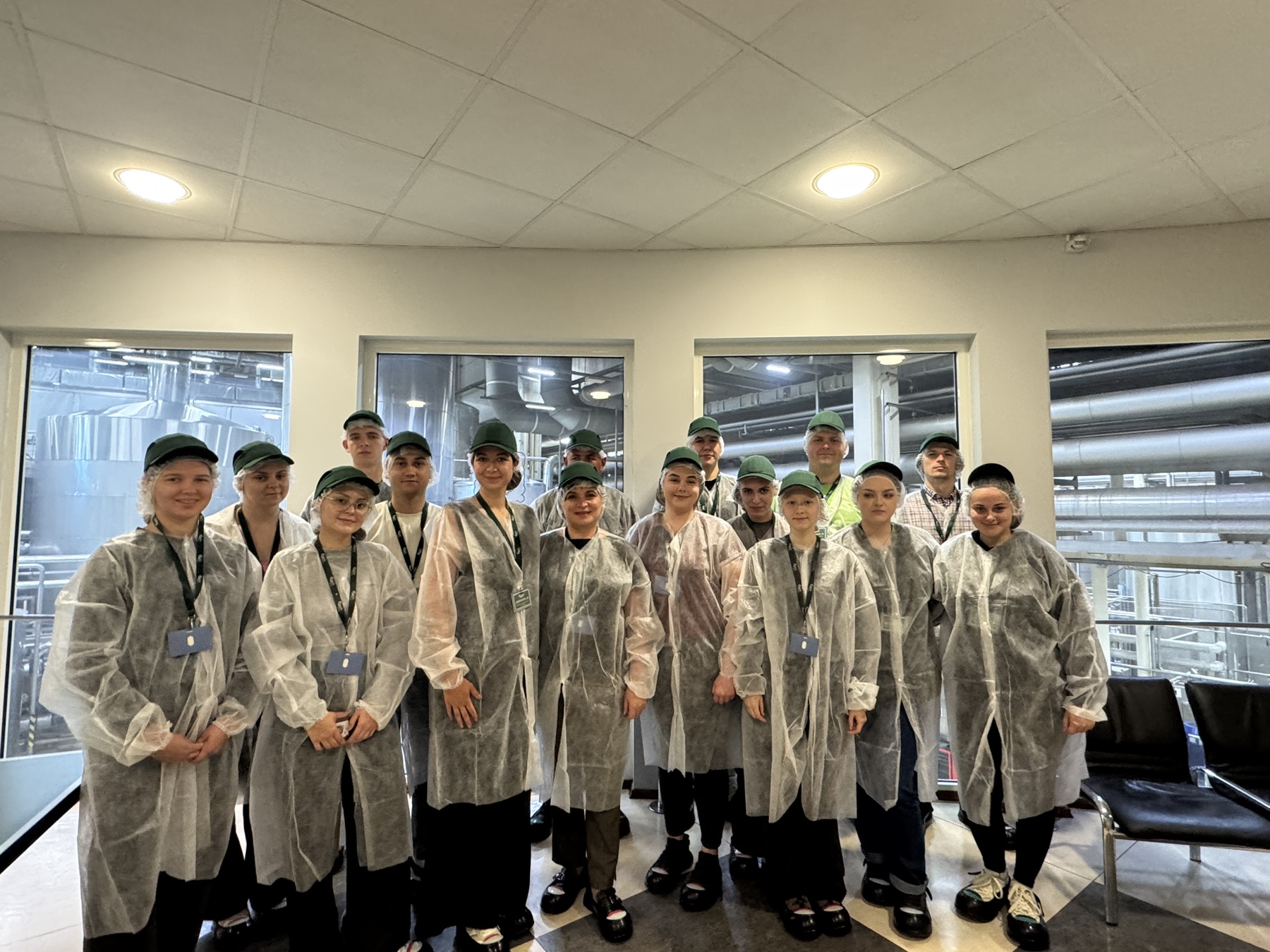
Putting theory into practice: students from the Faculty of Agrobiology visited the Carlsberg brewery
On 9 June, third-year students from the Faculty of Agrobiology at the National University of Life and Environmental Sciences of Ukraine, specialising in ‘Horticulture and Fruit and Vegetable Growing’, together with department lecturers Oksana ZAVADSKA and Anatoliy BOBRO, went on an excursion to the Carlsberg brewery in Kyiv, which is renowned not only for its high-quality products but also for its innovations. The aim of the excursion was to reinforce theoretical knowledge of beverage production technologies, the processing of plant raw materials and the operation of a large-scale industrial enterprise in real-world conditions.
Scope of activities and scientific approach
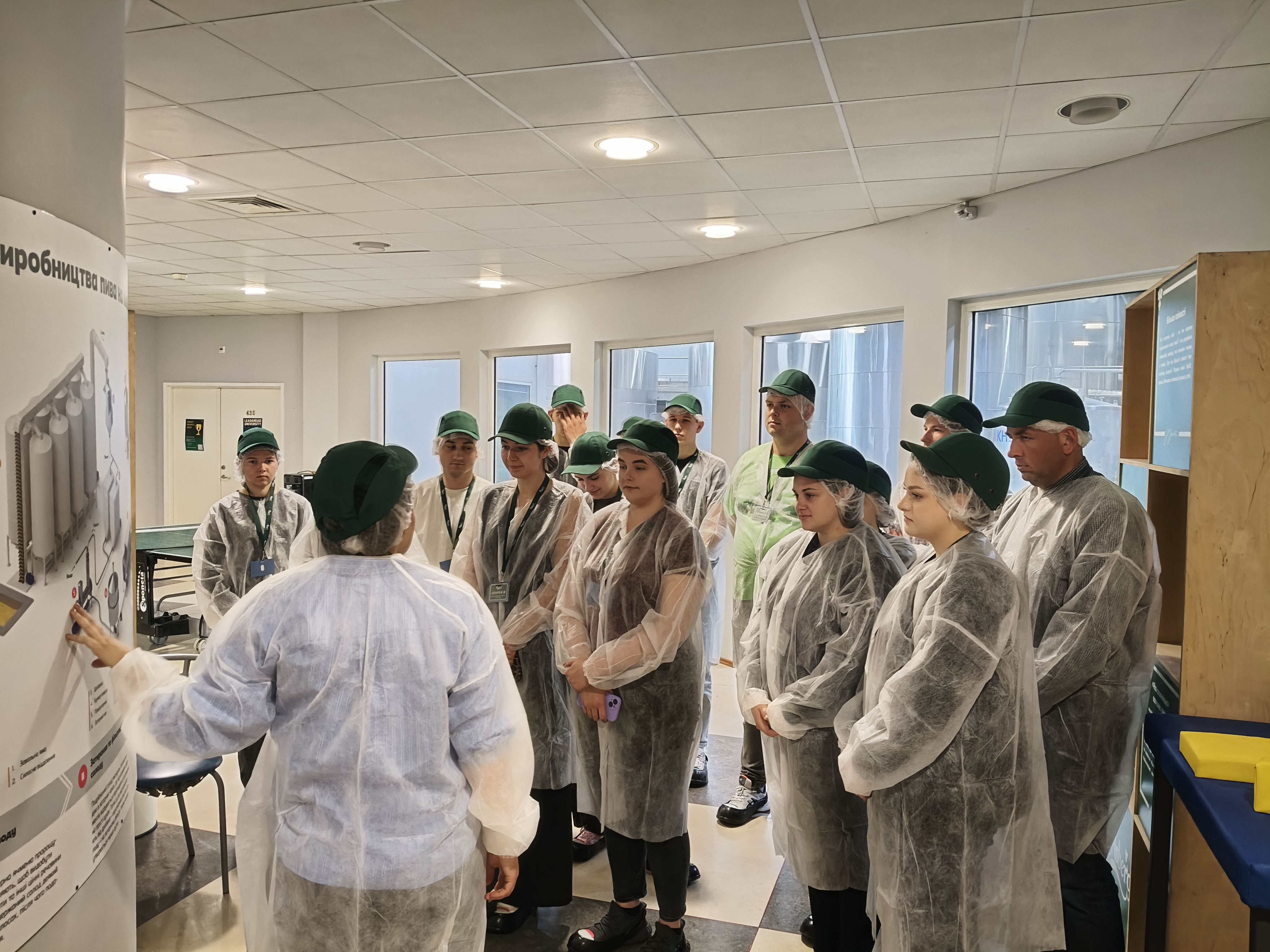
The tour began in the conference room, where Anastasia GORBAS, a graduate of the National University of Life and Environmental Sciences of Ukraine and the company’s PR manager, spoke about the company’s history and development strategy, as well as the key technological processes involved in brewing. During the presentation, students were told about the philosophy and scale of the Carlsberg Group. The founders’ philosophy is based on a constant pursuit of excellence, responsible leadership and continuous development. Today, the company operates on a global scale: its facilities employ approximately 37,000 staff, its portfolio comprises over 180 brands, its products are available in more than 150 markets, and production volume is set to reach an impressive 14.8 billion litres by 2025.
Special attention was paid to the company’s historical origins. The first craft microbrewery was founded by Jacob Christian Jacobsen in Copenhagen in 1847, named after his son Carl and the Valby hill where the brewery was located. The founder was a proponent of science and shared his knowledge with others. The students took away an important lesson: success in the processing industry is impossible without a scientific approach, detailed research into biochemical and microbiological processes, and strict quality control of raw materials at every stage.
A tour of the production facilities and manufacturing processes
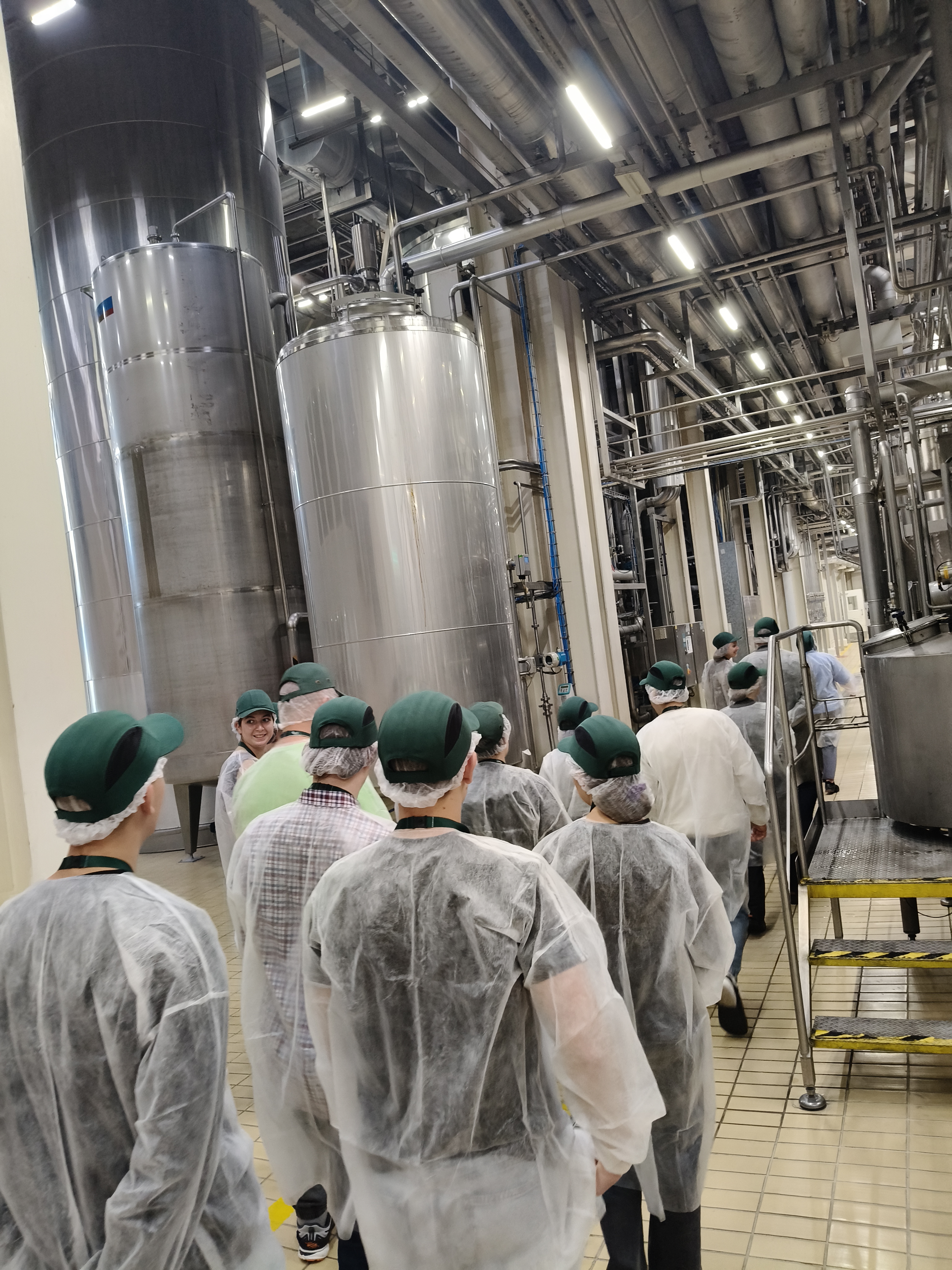
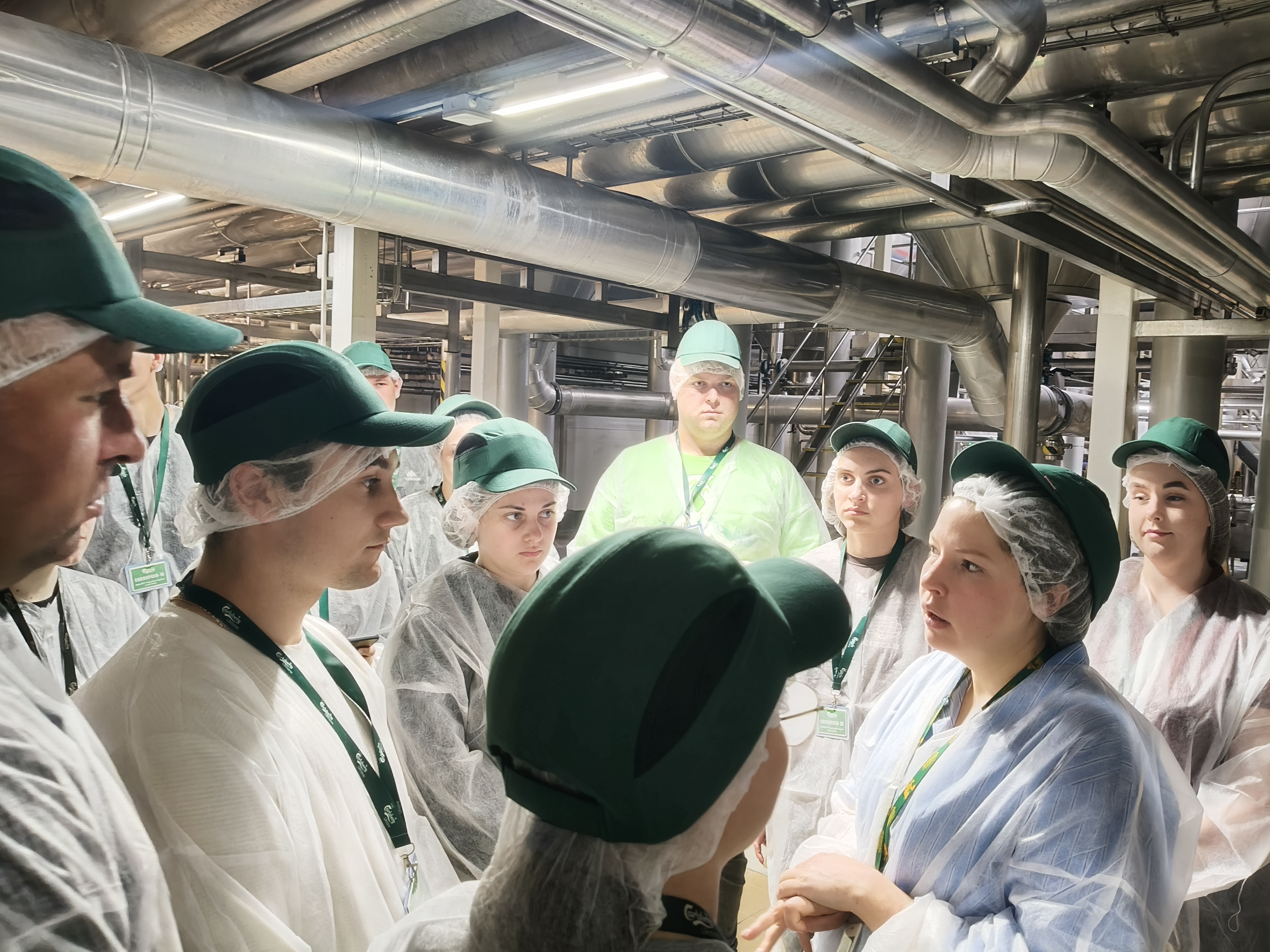
The visit to the plant’s production area, where complex technical infrastructure and workshops are located, proved to be of the greatest practical value to the future agronomists. The students familiarised themselves with the layout of the equipment and the sequence of raw material processing.
Cooking department and raw material preparation
The process begins in the preparation workshop, where the malt is milled. The raw material is mechanically ground to facilitate the extraction of nutrients and extractive substances. The ground malt is then mixed with prepared water to form the mash.
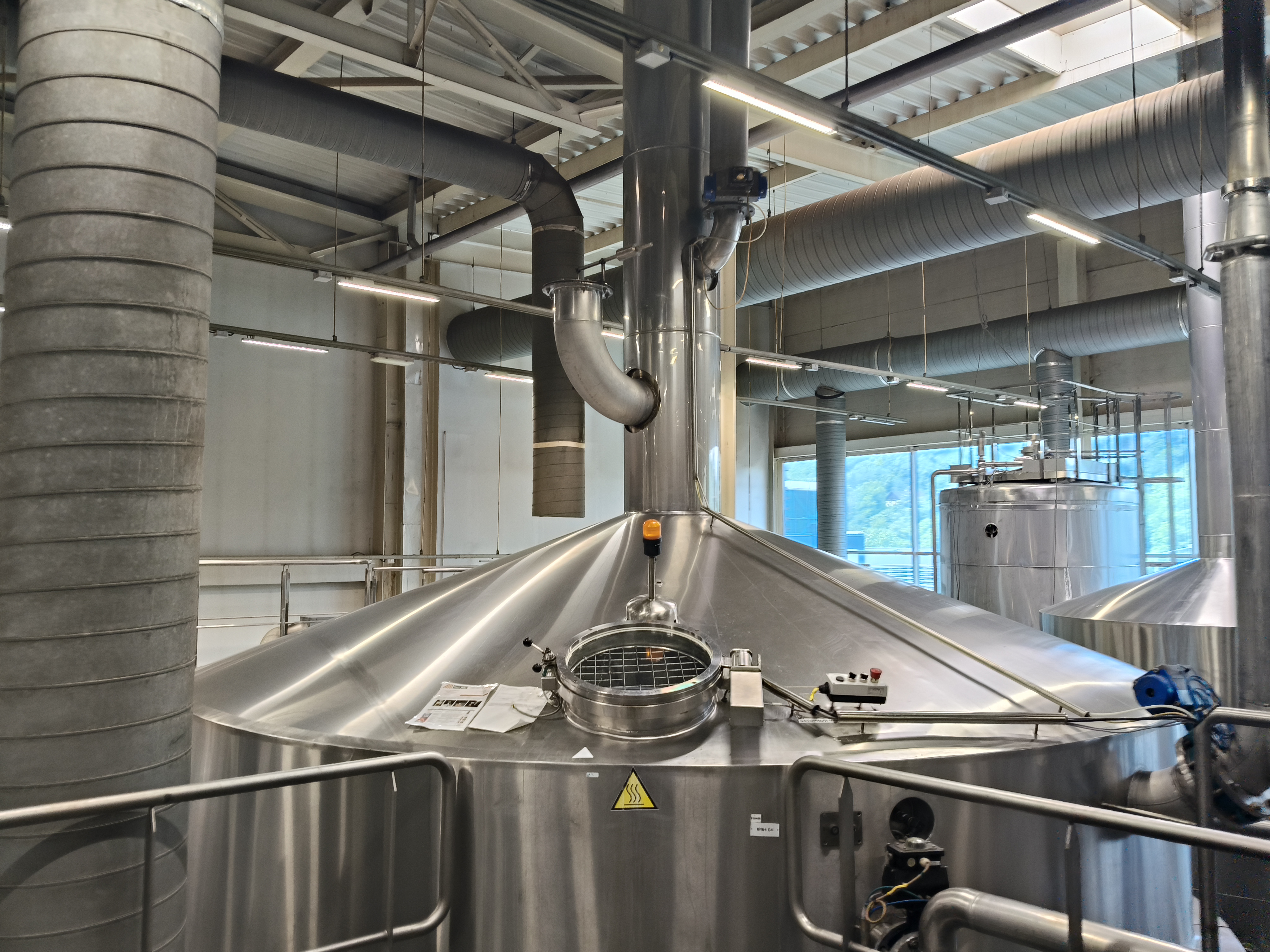
The brewhouse is equipped with large process vessels and sealed vessels. This is where the mashing and filtration processes take place: soluble substances pass into the liquid (wort), whilst solid particles (spent grain) are thoroughly separated. The wort is then boiled with the addition of hops. It is at this stage that the specific flavour profile, characteristic aroma and pleasant bitterness of the future drink are formed. The students inspected the workshop through special viewing hatches in the process vessels, which allow the condition of the wort to be monitored visually without compromising the system’s airtightness.
The Chilling Department and the Fermentation and Maturation Section
After boiling, the hot wort is channelled through a system of pipes for cooling. Its temperature is lowered to strictly defined technical parameters, which are necessary for the yeast to thrive and function properly.
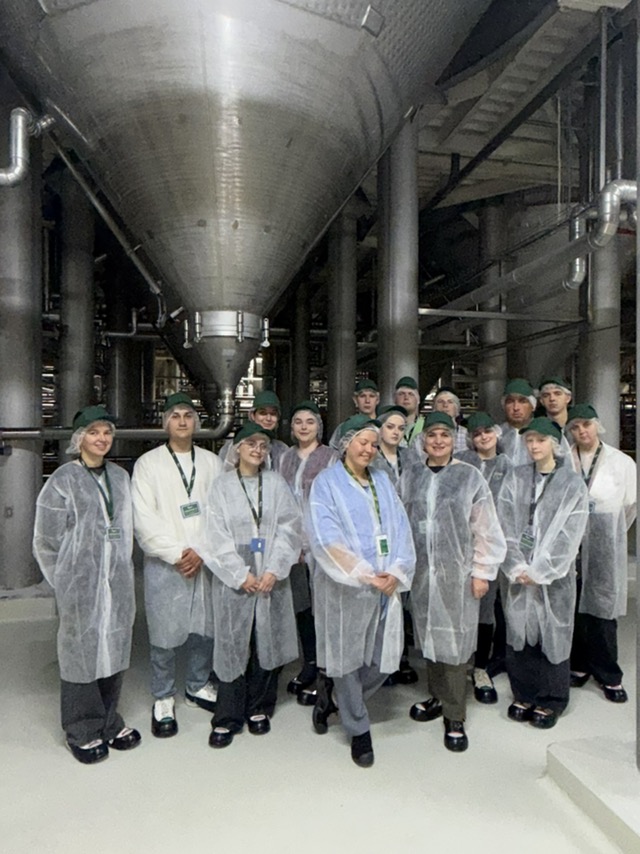
The cooled wort is pumped into the fermentation department, where huge tanks are installed. Here, the yeast carries out a biochemical transformation: it breaks down sugars, releasing alcohol and carbon dioxide. The next step is the maturation (lagering) room, where the young beverage is aged under specific pressure and at low temperatures. During this period, a balanced, clean flavour develops and the natural stability of the product is ensured.
Quality Control Laboratory: the heart of quality control
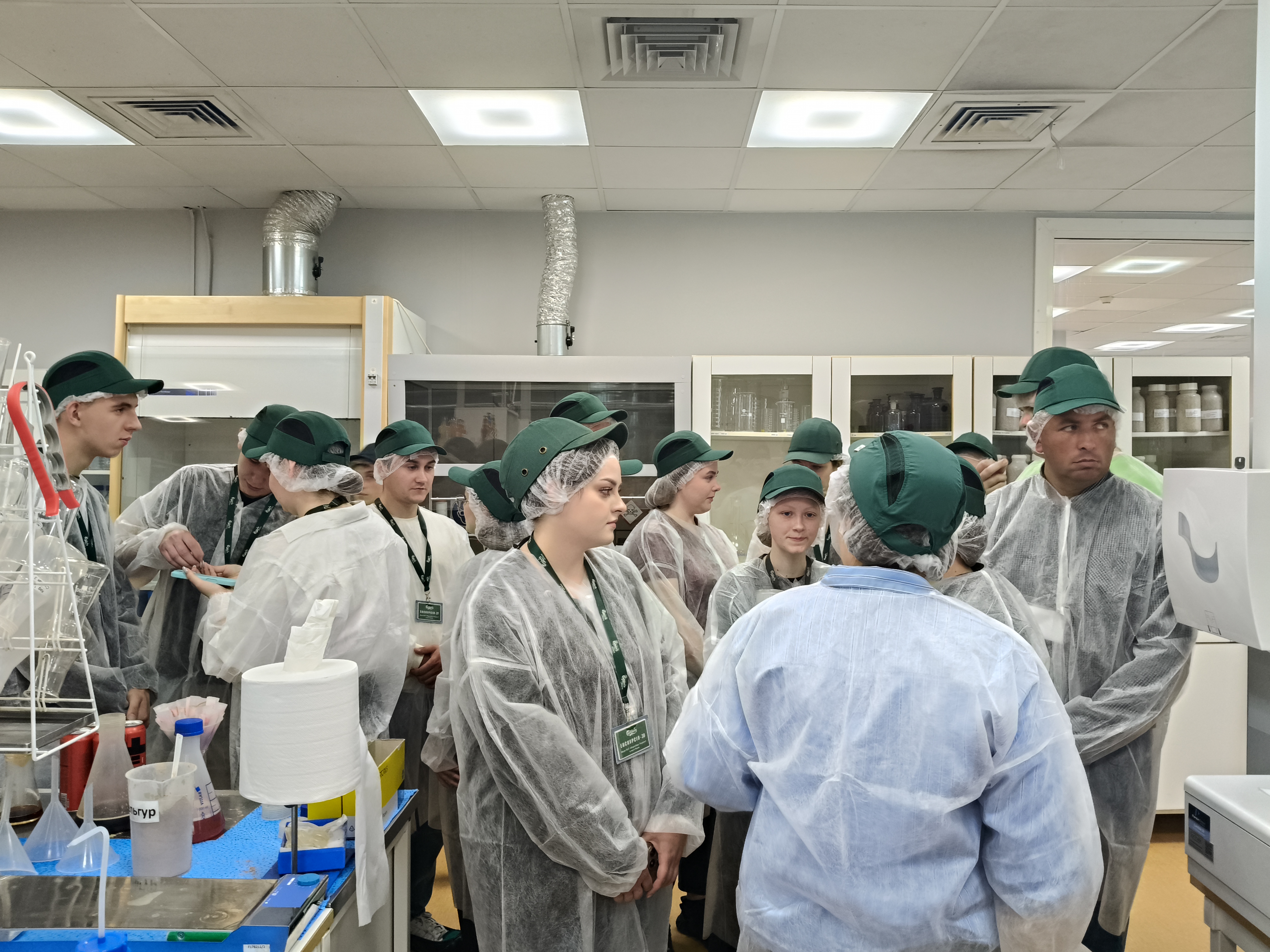
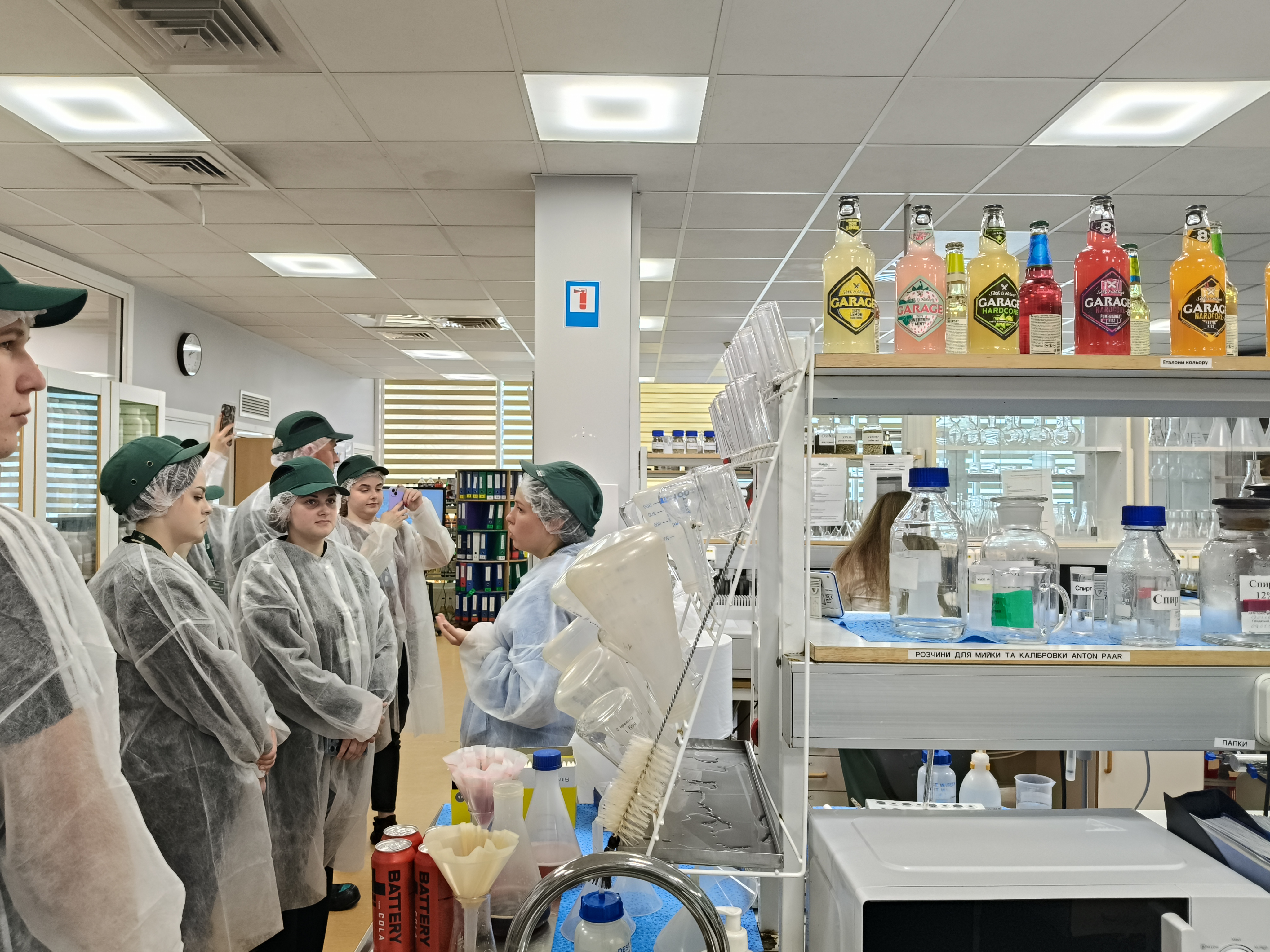
A separate and extremely important part of the tour was a visit to the plant’s state-of-the-art quality control laboratory. The students were shown how modern instruments and analysers are used to meticulously monitor quality indicators – from the analysis of incoming malt and hops to the inspection of intermediate fermentation products and the finished beverage prior to bottling. The future specialists learnt about methods for testing density, acidity, the purity of yeast cultures, alcohol content and organoleptic properties. The laboratory confirmed the golden rule of the food industry: a stable, high-quality product is impossible without constant, uncompromising laboratory monitoring.
Finished Products Filling Plant
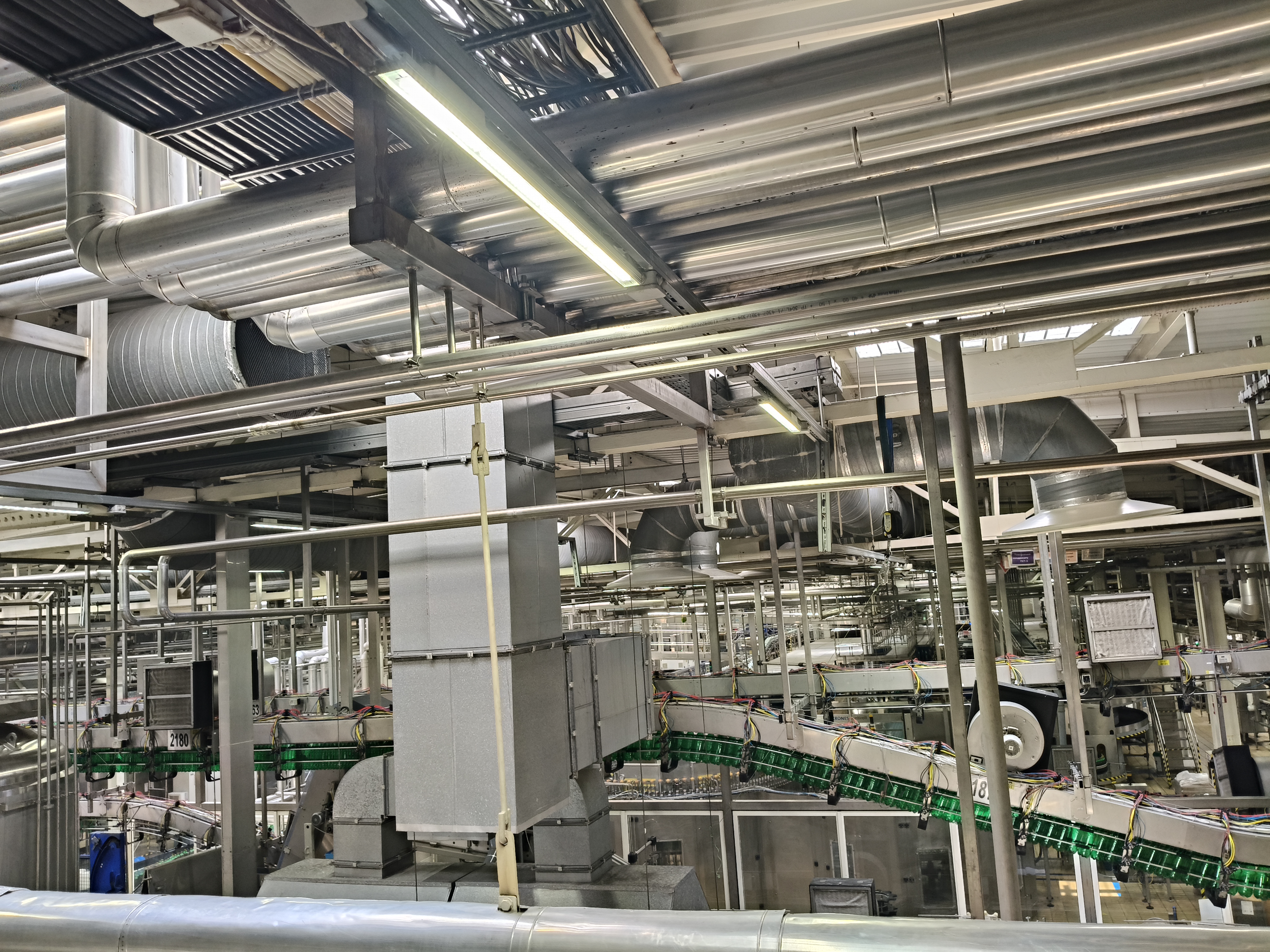
The final stage of the production process is the automated bottling plant. The finished, stabilised beer is bottled in suitable consumer containers of various sizes, prepared for distribution and sale on the market.
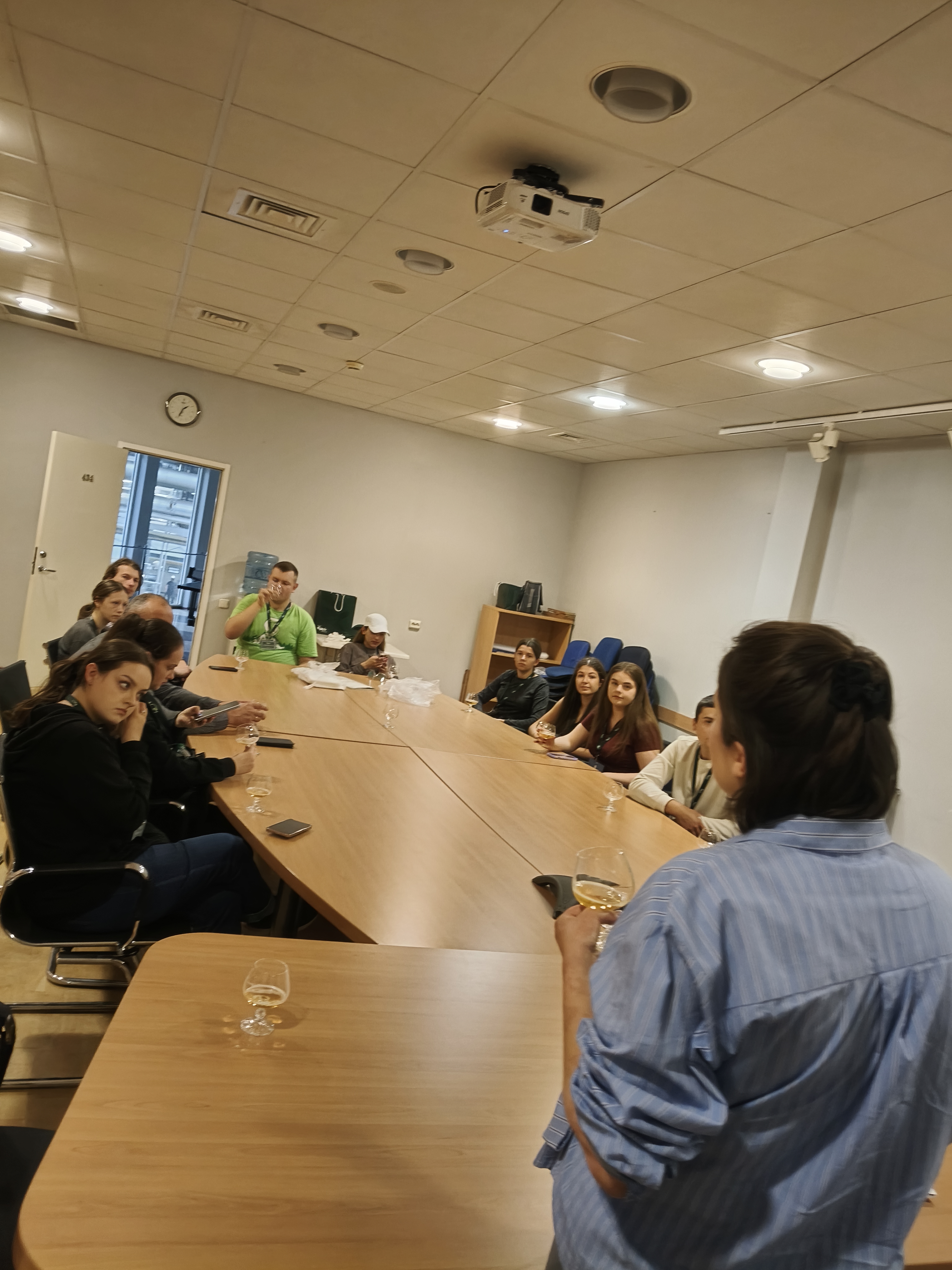
The final part of the tour was devoted to a tasting session. It was a wonderful opportunity to sample a variety of beers, such as Carlsberg, Tuborg, Blanc 1664, Lviv Dark and others. Visitors were able to appreciate their flavour nuances and aromas. An expert explained the characteristics of each variety, helping to better understand the complex palette of flavours
Strict hygiene, automation and safety in the production halls
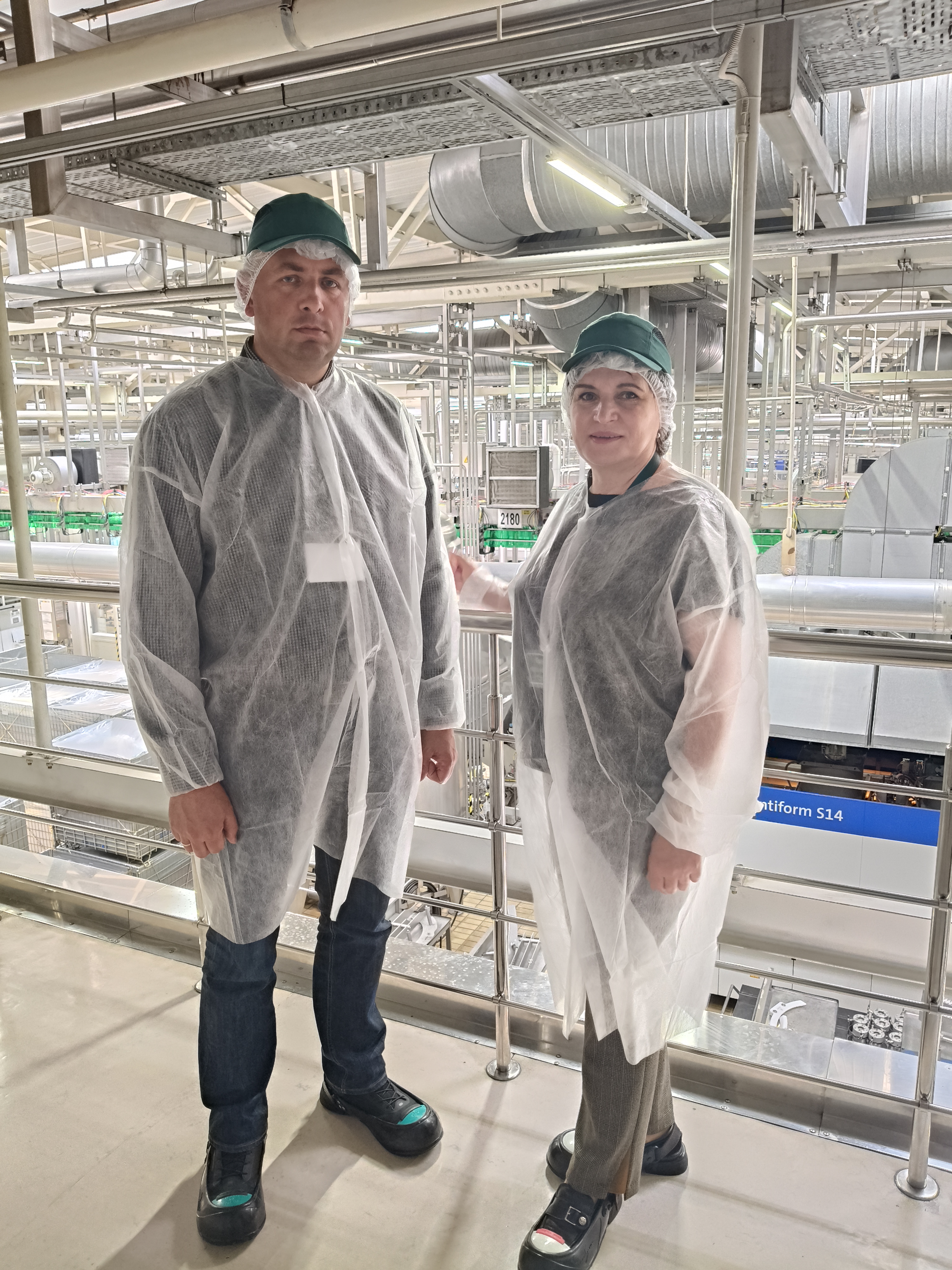
Food safety in the factory’s production areas is maintained to the highest standards. Before entering the production areas, every visitor is required to collect and wear a protective gown, cap and special clothing, which minimises the risk of any foreign particles or contaminants entering the clean production environment.
All production areas are equipped with an advanced communications system and an automated cleaning system. Tanks, reactors and pipelines undergo regular washing and chemical disinfection. Foreign or wild microflora is the main enemy of fermentation, as it is capable of completely spoiling the organoleptic properties of the beverage. Automation allows us to maintain ideal sanitary conditions and precise physical and chemical parameters (temperature, pressure, time) without the risk of human error.
From an occupational health and safety perspective, movement zones in the production areas are clearly organised: sturdy metal handrails have been installed, warning signs have been put up, and safe passageways have been designated for staff and tour groups near hot surfaces and pressurised areas.
Students’ impressions
The visit left a lasting impression on the future agricultural specialists, showcasing the exemplary standards of plant-based raw material processing and the production of world-renowned, high-quality beverages. The tour clearly demonstrated that processing is a complex biochemical and engineering process. For the future specialists, it was valuable to see how the quality of the raw materials, the precision of the technology and the automation in the production halls determine the success and stability of the final product on the market.
The information gathered during the tour and the practical observations will form a solid foundation for the further education of students at the Faculty of Agrobiology of the National University of Life and Environmental Sciences of Ukraine in the fields of crop production and processing.
We would like to express our sincere gratitude to the company’s PR manager, Anastasia GORBAS, for an incredibly fascinating, interesting and informative tour of one of the finest modern enterprises, which not only produces a high-quality product but also actively supports the community and implements environmental initiatives.